


When it comes to raising healthy, confident children, the toys we choose make a bigger difference than most parents realize. Active toys are transforming playtime across American homes, helping kids develop essential skills while having fun. These hands-on playthings encourage movement, creativity, and problem-solving in ways that screens simply cannot replicate. Understanding what makes a toy "active" and how to select the right ones for your child can set the foundation for lifelong learning and physical health.
What Makes Toys Active and Why It Matters
Active toys are playthings that require children to engage physically, mentally, or both. Unlike passive entertainment options, these toys demand participation. They invite kids to move their bodies, use their imagination, and think critically about how things work.
The difference between active and passive toys goes beyond simple movement. Passive toys often do the work for the child, requiring only that they watch or press a button. Active toys flip this script entirely.
Core Characteristics of Active Toys
Active toys share several important features that set them apart from electronic entertainment:
- Physical engagement - Children must use their hands, arms, legs, or whole body
- Mental stimulation - Problem-solving and creative thinking are required
- Open-ended play - Multiple ways to use the same toy encourage imagination
- Skill development - Fine motor skills, gross motor skills, or cognitive abilities improve through use
- Child-directed - Kids control the pace and direction of play
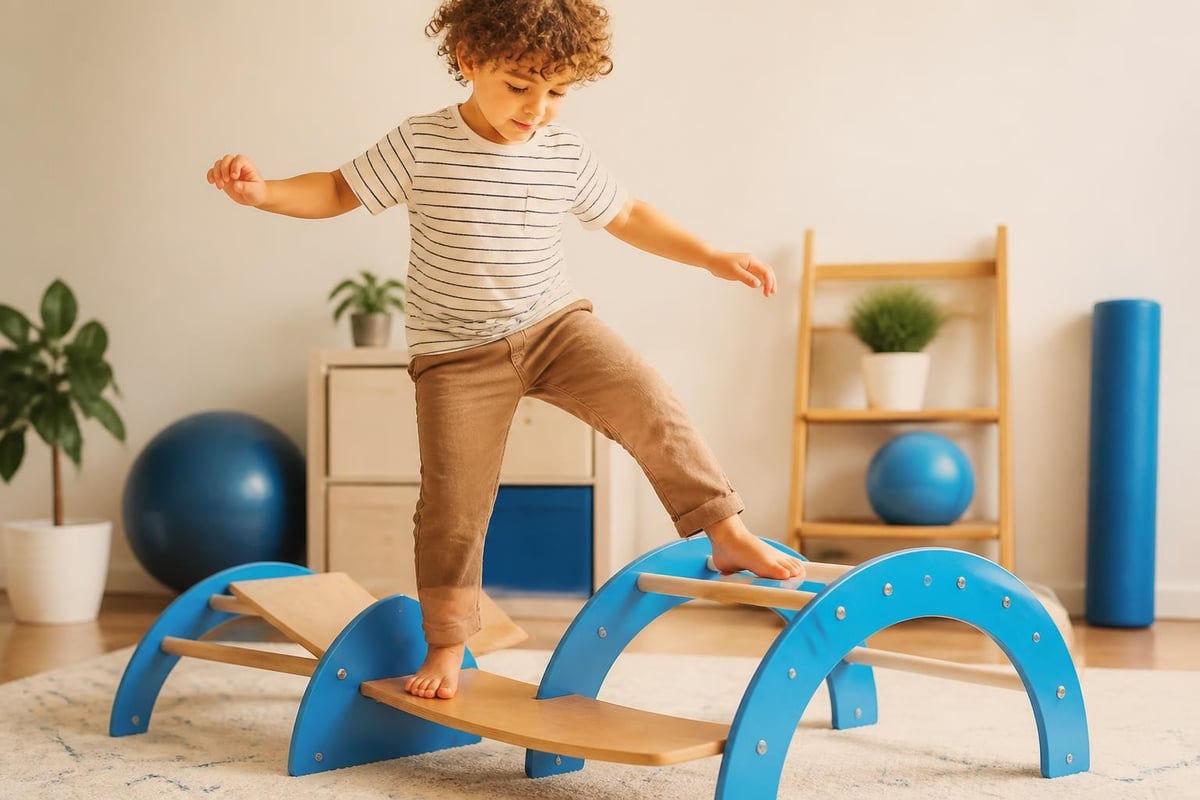
Research from Northwestern University's Early Intervention program shows that traditional active toys promote better social language development than electronic alternatives. Children who play with active toys engage in more conversation, problem-solving dialogue, and cooperative play with parents and peers.
Physical Development Benefits of Active Toys
The human body is designed to move, and childhood is the critical window for developing physical competence. Active toys support this natural growth process in powerful ways.
Building Gross Motor Skills
Large muscle development happens when children climb, balance, jump, and run. Active toys that encourage these movements help kids build:
- Core strength for better posture and stamina
- Coordination between different body parts
- Balance that prevents falls and builds confidence
- Spatial awareness to navigate their environment safely
Balance bikes, climbing structures, and ride-on toys fall into this category. The Wooden Balance Bike for Adventure exemplifies how active toys can prepare children for more complex physical activities while building independence and confidence outdoors.
Strengthening Fine Motor Skills
Small muscle control in hands and fingers develops through manipulation of objects. Active toys designed for fine motor development include:
- Building blocks and construction sets
- Threading toys and lacing cards
- Puzzles with various piece sizes
- Toys with buttons, zippers, and latches
- Art supplies like crayons and play dough
These skills directly translate to everyday tasks like writing, buttoning clothes, and using utensils. Studies on infant motor training demonstrate that active manipulation of objects during early childhood positively impacts long-term development.
Cognitive and Creative Growth Through Active Play
Active toys do more than build muscles. They create neural pathways that support learning, memory, and problem-solving throughout life.
Problem-Solving and Critical Thinking
When children encounter challenges during active play, their brains work to find solutions. A puzzle requires spatial reasoning. A building project demands planning and adjustment. These mental exercises strengthen:
- Logical thinking as kids figure out cause and effect
- Planning skills when they work toward a goal
- Persistence through trial and error
- Flexibility when initial approaches don't work
| Toy Type | Primary Skill Developed | Secondary Benefits |
|---|---|---|
| Building blocks | Spatial reasoning | Creativity, planning |
| Balance equipment | Body awareness | Confidence, risk assessment |
| Art supplies | Self-expression | Fine motor skills, focus |
| Musical instruments | Pattern recognition | Coordination, cultural awareness |
| Outdoor play equipment | Gross motor skills | Social interaction, independence |
Imagination and Creativity
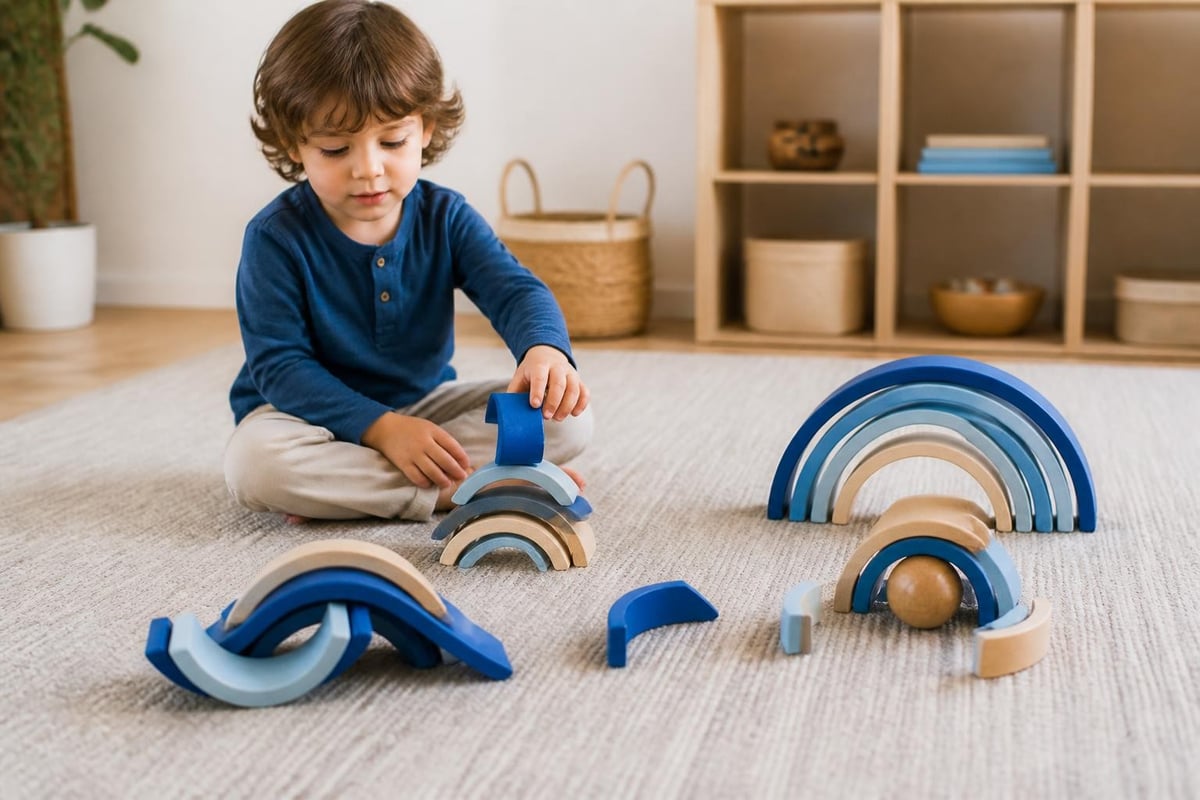
Open-ended active toys spark imagination because there's no single "right" way to play. A set of blocks becomes a castle, then a bridge, then a spaceship. This flexibility teaches children that creativity has no limits.
The most effective active toys offer minimal structure and maximum possibility. Rather than dictating the play experience, they provide raw materials for whatever story or project emerges from a child's mind.
Social and Emotional Development
Playing with active toys often involves other people, whether siblings, friends, or parents. These interactions build social competence and emotional intelligence.
Cooperative Play and Communication
Many active toys naturally encourage group play. When children work together to build a fort, take turns on a swing, or create an art project, they learn:
- Turn-taking and patience while waiting
- Negotiation to agree on play directions
- Empathy by considering others' ideas
- Conflict resolution when disagreements arise
- Teamwork toward shared goals
Building Confidence and Independence
Active toys allow children to accomplish tasks on their own, building self-esteem through achievement. Whether they successfully complete a puzzle, climb to the top of a play structure, or create a painting, these victories matter.
According to research highlighted by PlayzUSA, active play toys significantly boost children's confidence as they master new physical and cognitive challenges. This confidence transfers to other areas of life, including school and social situations.
Age-Appropriate Active Toys: What to Choose When
Selecting the right active toys depends heavily on your child's developmental stage. What challenges a toddler perfectly might bore a preschooler.
Infants (0-12 months)
Babies need active toys that stimulate their emerging motor skills and sensory awareness:
- Textured balls they can grasp and roll
- Activity gyms with hanging elements
- Soft blocks for stacking practice
- Push-and-pull toys for early walkers
- Sensory books with different materials
Safety is paramount at this age. Harvard Health Publishing recommends avoiding toys with small parts, batteries, or magnets that could pose choking or injury hazards.
Toddlers (1-3 years)
This age group benefits from active toys that support growing independence and physical capability:
- Ride-on toys without pedals
- Simple puzzles with large pieces
- Stacking and nesting toys
- Musical instruments
- Basic art supplies like chunky crayons
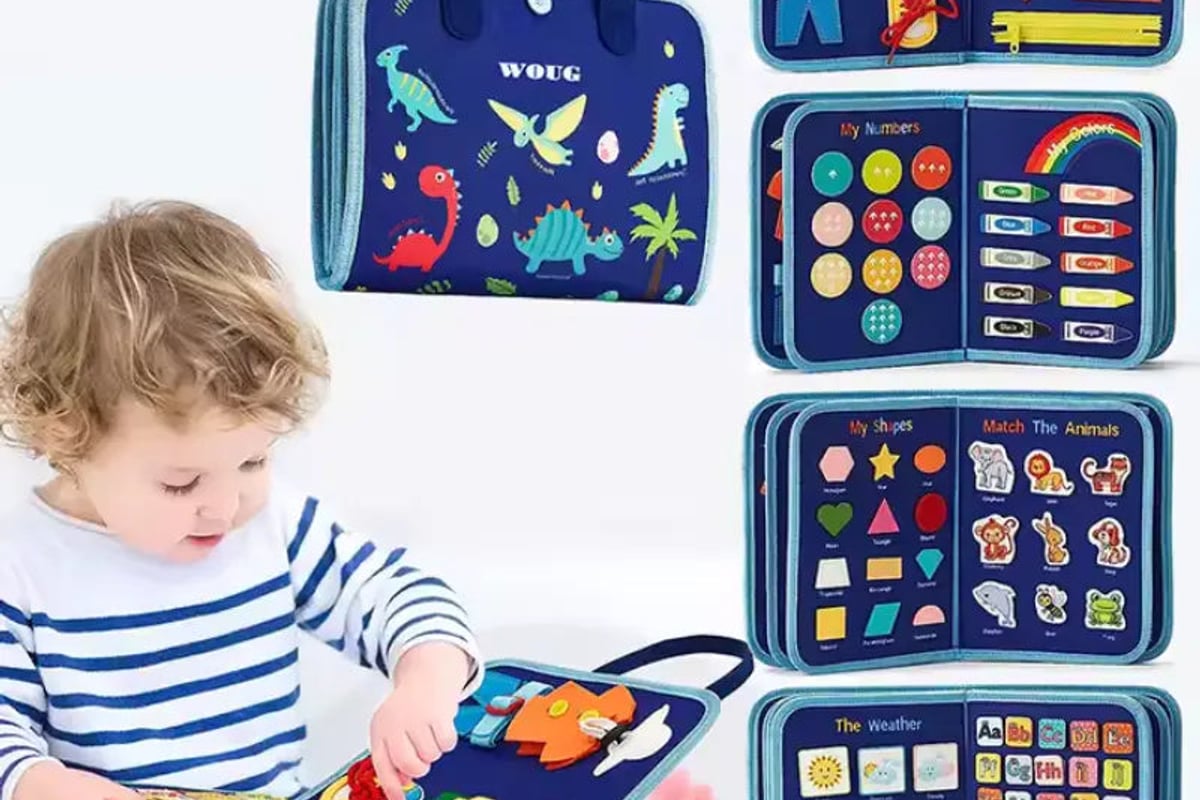
The Montessori Busy Board offers toddlers hands-on practice with real-life skills like zipping, buttoning, and latching, which perfectly matches their drive for independence and competence at this developmental stage.
Preschoolers (3-5 years)
Preschoolers are ready for more complex active toys that challenge their growing abilities:
- Tricycles and beginner bikes
- Advanced building sets
- Dress-up costumes and props
- Sports equipment sized for small hands
- Outdoor climbing structures
Early Elementary (5-8 years)
Older children need active toys that grow with their increasing strength and cognitive abilities:
- Two-wheeled bicycles
- Complex construction sets
- Team sports equipment
- Science experiment kits
- Craft projects with multiple steps
Choosing Quality Active Toys That Last
Not all active toys are created equal. Smart parents invest in quality items that withstand years of enthusiastic play while maintaining safety standards.
Safety Considerations
Before purchasing any active toy, check for these safety features:
- Age-appropriate design matching your child's developmental level
- Sturdy construction that won't break during normal use
- Non-toxic materials free from harmful chemicals
- Smooth edges without sharp points or rough surfaces
- Proper certifications from recognized safety organizations
Durability and Value
High-quality active toys often cost more upfront but provide better long-term value. Consider:
| Quality Factor | What to Look For | Why It Matters |
|---|---|---|
| Materials | Solid wood, durable plastics | Withstands repeated use |
| Construction | Reinforced joints, quality hardware | Prevents breakage |
| Design | Timeless appeal | Remains engaging as child grows |
| Versatility | Multiple play options | Extends usable lifespan |
| Repairability | Replaceable parts available | Fixes minor damage easily |
Natural materials like wood often outlast plastic alternatives. They also feel better in small hands and carry less environmental impact.
Screen-Free Play in a Digital World
American children spend an average of seven hours daily on screens, creating unprecedented challenges for physical and mental health. Active toys offer a powerful antidote to excessive screen time.
The Screen-Free Movement
Parents are increasingly recognizing that digital entertainment cannot replace physical play. Active toys provide:
- Real-world sensory experiences that screens cannot replicate
- Physical movement essential for healthy development
- Face-to-face social interaction building communication skills
- Unstructured time for creativity and imagination
- Better sleep patterns without blue light exposure
Making active toys easily accessible encourages children to choose physical play over screens. Creating dedicated play spaces and rotating toy selections maintains novelty and interest.
Balancing Technology and Active Play
Complete screen elimination isn't realistic or necessary. The goal is balance. Active toys should represent the majority of playtime, with screens serving specific educational purposes in limited doses.
Parents can support this balance by:
- Establishing screen-free zones in the home
- Scheduling daily active play time
- Participating in physical play with children
- Modeling healthy screen habits
- Praising creative play with active toys
Educational Value and STEM Learning
Active toys aren't just about physical movement. The best options integrate learning opportunities that support academic readiness and critical thinking.
STEM Concepts Through Play
Science, Technology, Engineering, and Mathematics learning happens naturally through active play. Building blocks teach engineering principles. Balance toys demonstrate physics. Sorting games introduce mathematical concepts.
Children absorb these lessons without realizing they're learning, which creates positive associations with challenging subjects. This early exposure builds confidence for later academic work.
Montessori-Inspired Active Toys
Montessori education emphasizes hands-on learning through purposeful activity. Montessori toys align perfectly with active play principles because they:
- Encourage self-directed exploration
- Feature real-world applications
- Build independence and concentration
- Use natural materials when possible
- Grow with the child's abilities
These educational toys support the whole child-cognitive, physical, social, and emotional development all happening simultaneously through engaged play.
Creating an Active Play Environment at Home
The best active toys need space and opportunity to shine. Setting up your home to encourage active play makes a significant difference in how often children choose these toys.
Indoor Active Play Spaces
Even apartments can accommodate active play with thoughtful organization:
- Designated play zones that signal it's okay to move and be loud
- Low storage allowing children to access toys independently
- Rotation systems keeping fresh toys available without overwhelming clutter
- Clear floor space for building, dancing, and movement activities
- Protected areas where messy art projects can happen without stress
Outdoor Extensions
Yard space dramatically expands active play possibilities. Even small outdoor areas support:
- Climbing structures
- Sand and water play
- Ball games
- Nature exploration
- Ride-on toys
Weather-resistant active toys extend the play season across all four seasons. Proper storage protects these investments from the elements.
Long-Term Benefits of Active Play
The advantages of active toys extend far beyond childhood. Habits and skills developed through active play create lifelong patterns.
Physical Health Foundations
Children who engage regularly with active toys tend to:
- Maintain healthier body weights
- Develop stronger cardiovascular systems
- Build bone density that lasts into adulthood
- Establish exercise as a normal, enjoyable activity
- Experience fewer obesity-related health issues
These physical benefits compound over time, making childhood active play a true investment in future health.
Academic and Career Success
The cognitive skills developed through active play translate directly to classroom performance and later career success. Problem-solving, creativity, persistence, and collaboration all emerge from quality play experiences.
Research shows that children who engage in regular active play demonstrate better focus, improved memory, and stronger executive function-all critical for academic achievement.
Shopping Smart for Active Toys
Making informed purchasing decisions helps parents maximize their toy budget while providing the best developmental benefits.
Red Flags to Avoid
Some marketing claims sound impressive but don't deliver real value:
- "Educational" electronic toys that mostly entertain passively
- Single-purpose items that limit creativity
- Cheaply made products that break quickly
- Trendy character tie-ins that lose appeal fast
- Overly complex toys beyond your child's developmental level
Green Flags to Seek
Look for these positive indicators when selecting active toys:
- Open-ended design supporting multiple play styles
- Quality construction from reputable manufacturers
- Positive reviews from other parents
- Age recommendations matching your child
- Versatility that grows with your child
Reading reviews from real parents provides valuable insights beyond manufacturer descriptions. Pay attention to comments about durability, engagement level, and whether children return to the toy repeatedly.
Active toys transform playtime into powerful developmental opportunities that strengthen bodies, minds, and social skills. By choosing quality active toys that encourage movement, creativity, and problem-solving, you're investing in your child's immediate happiness and long-term success. KIDZEEHUB offers a carefully curated selection of educational, Montessori-inspired, and STEM-focused active toys designed specifically to support screen-free learning and healthy development for American families.


