


Finding the best busy board for your toddler can feel overwhelming with so many options on the market in 2026. These interactive learning tools have become essential for parents who want to combine playtime with skill-building activities. Whether you're looking for a compact travel version or a full-featured activity center, understanding what makes a busy board truly effective will help you choose the perfect one for your child's developmental stage and learning needs.
What Makes the Best Busy Board Stand Out
The best busy board goes beyond just keeping little hands occupied. It creates meaningful learning opportunities through carefully designed activities that match your child's developmental milestones. Quality materials matter significantly when selecting a busy board, as toddlers explore these toys with all their senses.
Safety Features You Can't Compromise On
Safety should always be your top priority when evaluating busy boards. Look for products with smooth edges, non-toxic finishes, and securely attached components that won't become choking hazards. All latches, zippers, and buttons should be firmly fastened to the board. The best busy board options use child-safe paints and meet ASTM safety standards for toys.
Key safety checkpoints include:
- No small detachable parts for children under three years old
- Rounded corners and smooth surfaces throughout
- Sturdy construction that won't splinter or break
- Non-toxic, water-based finishes
- Securely mounted hardware and accessories
Age-Appropriate Design Elements
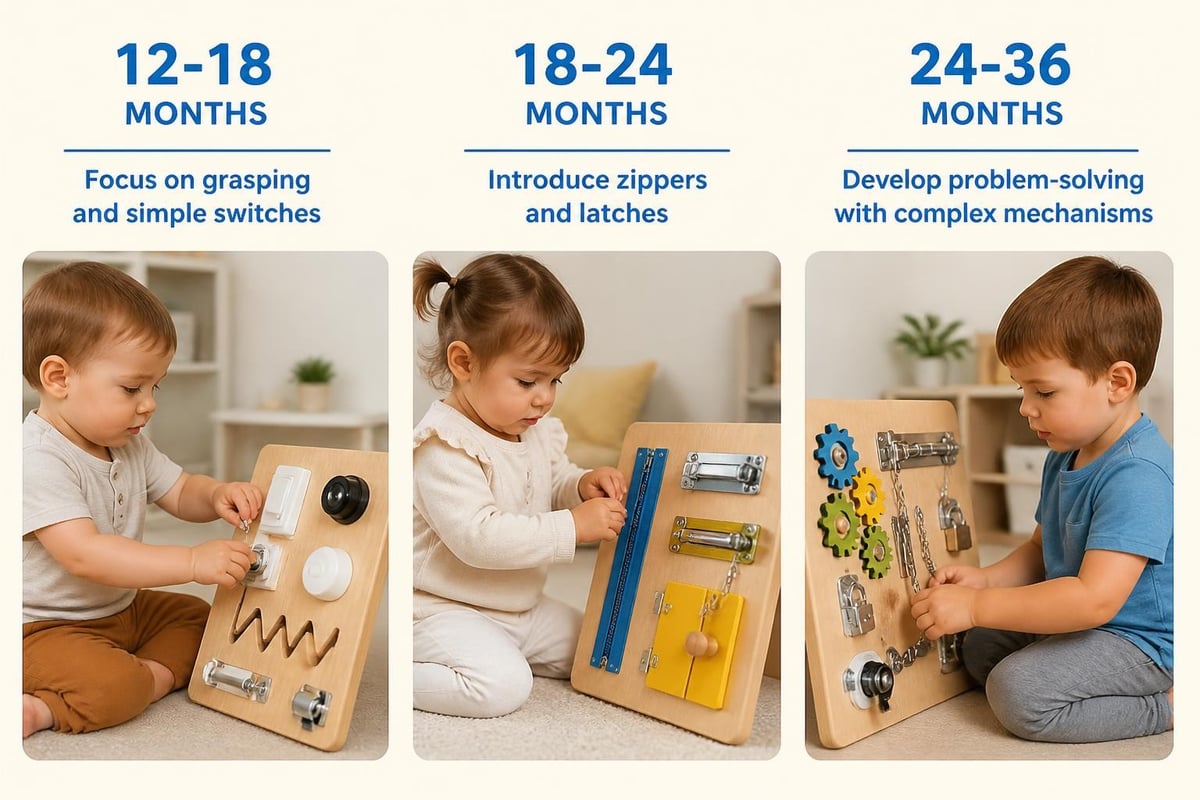
Different age groups benefit from different activity types. Understanding busy boards for various age ranges helps you select features that will genuinely engage your child. Babies around 12-18 months need larger, simpler activities they can grasp easily. Toddlers aged 18-36 months can handle more complex tasks like buckles and switches.
Educational Benefits That Matter Most
The best busy board transforms ordinary play into powerful learning experiences. These tools support multiple areas of development simultaneously, making them excellent investments for your child's growth.
Fine Motor Skills Development
Every zip, button, and latch strengthens tiny hand muscles your child needs for future writing and self-care tasks. Research shows busy boards significantly improve hand-eye coordination through repeated practice with real-world fasteners. Your toddler builds the finger strength and dexterity required for tasks like tying shoes, using utensils, and holding pencils.
| Skill Area | Busy Board Activity | Real-World Application |
|---|---|---|
| Pincer Grasp | Small switches, buttons | Picking up small objects, writing |
| Hand Strength | Door latches, locks | Opening containers, turning doorknobs |
| Bilateral Coordination | Zippers, buckles | Dressing independently, using scissors |
| Wrist Rotation | Knobs, wheels | Opening jars, using tools |
Problem-Solving and Cognitive Growth
Children develop critical thinking skills when they figure out how different mechanisms work. The cause-and-effect relationships on busy boards teach logical thinking. When your toddler discovers that pushing a button makes something happen or that turning a key opens a lock, they're building important cognitive connections.
Cognitive benefits include:
- Understanding cause and effect relationships
- Developing spatial awareness through puzzles and shapes
- Building memory through repeated activities
- Enhancing focus and concentration
- Encouraging independent problem-solving
Montessori Principles in Busy Board Design
The best busy board often incorporates Montessori philosophy, which emphasizes hands-on learning and child-directed exploration. Montessori busy boards promote independence by allowing children to practice real-life skills at their own pace.
Real-Life Skills Practice
Authentic activities prepare children for daily tasks they'll encounter as they grow. Instead of toy versions, quality busy boards feature actual zippers, real latches, and genuine switches. This authenticity helps children transfer their play skills to real situations more effectively.
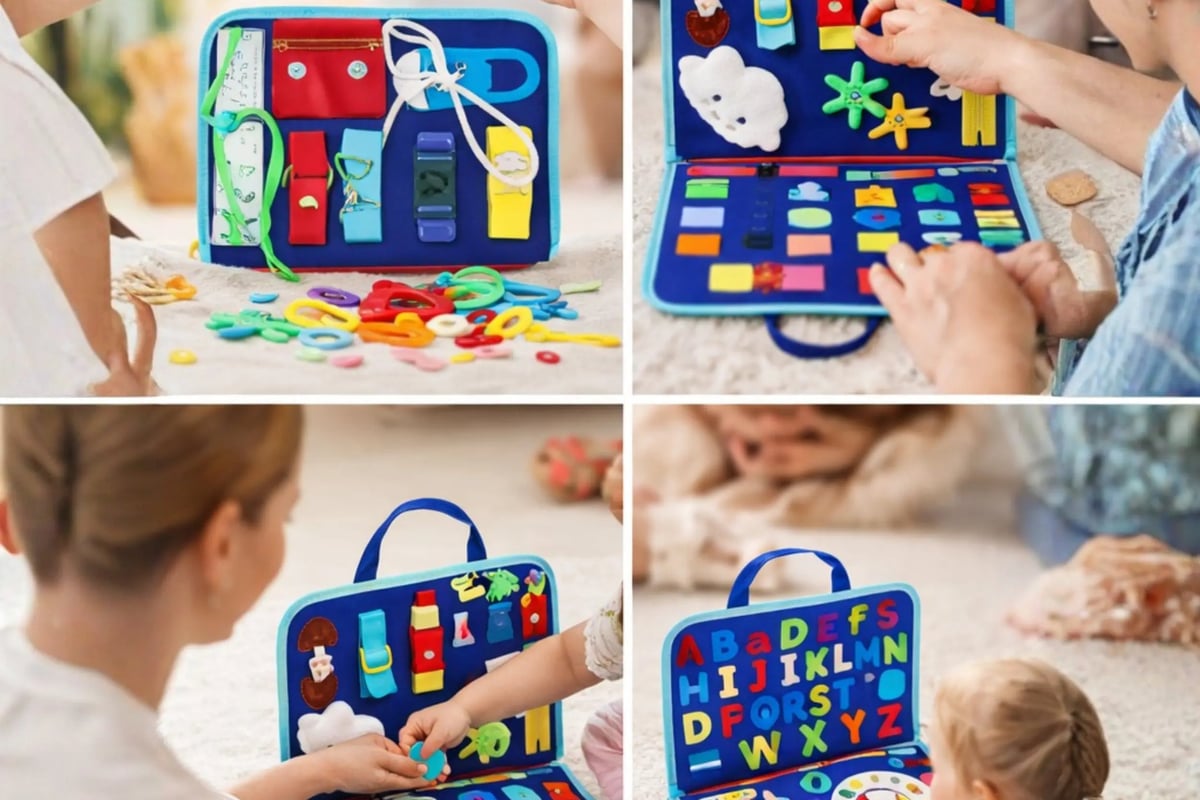
The Montessori Busy Board from KIDZEEHUB exemplifies this approach perfectly. With interactive switches, buttons, zippers, buckles, and sensory activities, it creates hands-on learning experiences that build genuine life skills. Kids naturally develop independence as they master each challenge through self-directed exploration.
Self-Directed Learning Opportunities
Children learn best when they can explore at their own pace without adult intervention. The best busy board designs allow toddlers to choose which activities interest them most and spend as much time as needed mastering each skill. This autonomy builds confidence alongside capability.
Key Features to Look for in 2026
Modern busy boards offer innovations that weren't available just a few years ago. Understanding current options helps you make informed decisions about which features matter most for your family.
Portability and Travel-Friendly Options
Many families need busy boards that work both at home and on the go. Lightweight designs with handles make transportation easy. Some of the best busy board options fold compactly or come with carrying straps for car trips, airplane travel, or restaurant visits.
Travel-ready features:
- Compact folding design for easy packing
- Lightweight construction under three pounds
- Carrying handles or straps
- Quiet activities for public spaces
- Self-contained design with no loose parts
Variety of Sensory Experiences
Why toddlers love busy boards often relates to the rich sensory input these toys provide. Different textures, sounds, and visual elements keep children engaged longer and support sensory processing development.
Incorporate activities that stimulate multiple senses. Touch panels with various textures, musical elements like bells or xylophones, and visual components with colors and patterns create comprehensive sensory experiences. Mirror panels, spinning gears, and light switches add visual interest.
Size and Material Considerations
Choosing between wood and plastic involves weighing several factors. Wooden busy boards offer natural aesthetics, durability, and eco-friendly appeal. Plastic versions often cost less and come in bright colors that attract young children.
Wooden Busy Boards
Wood provides timeless appeal and exceptional durability. Quality wooden boards can withstand years of enthusiastic play and often become treasured items passed between siblings. They're heavier than plastic alternatives but offer superior stability during use.
Wood advantages:
- Natural, non-toxic materials
- Superior durability and longevity
- Aesthetically pleasing for home decor
- Environmentally sustainable option
- Smooth finish that improves with age
Plastic and Fabric Options
Lighter weight makes plastic and fabric busy boards ideal for travel. These materials allow for more colorful designs and often incorporate flexible elements impossible with rigid wood. They're typically easier to clean and more affordable for budget-conscious families.
Activity Types That Engage Toddlers
The best busy board includes diverse activities that challenge different skill sets. Variety prevents boredom and encourages children to return to the board repeatedly.
Essential Activity Categories
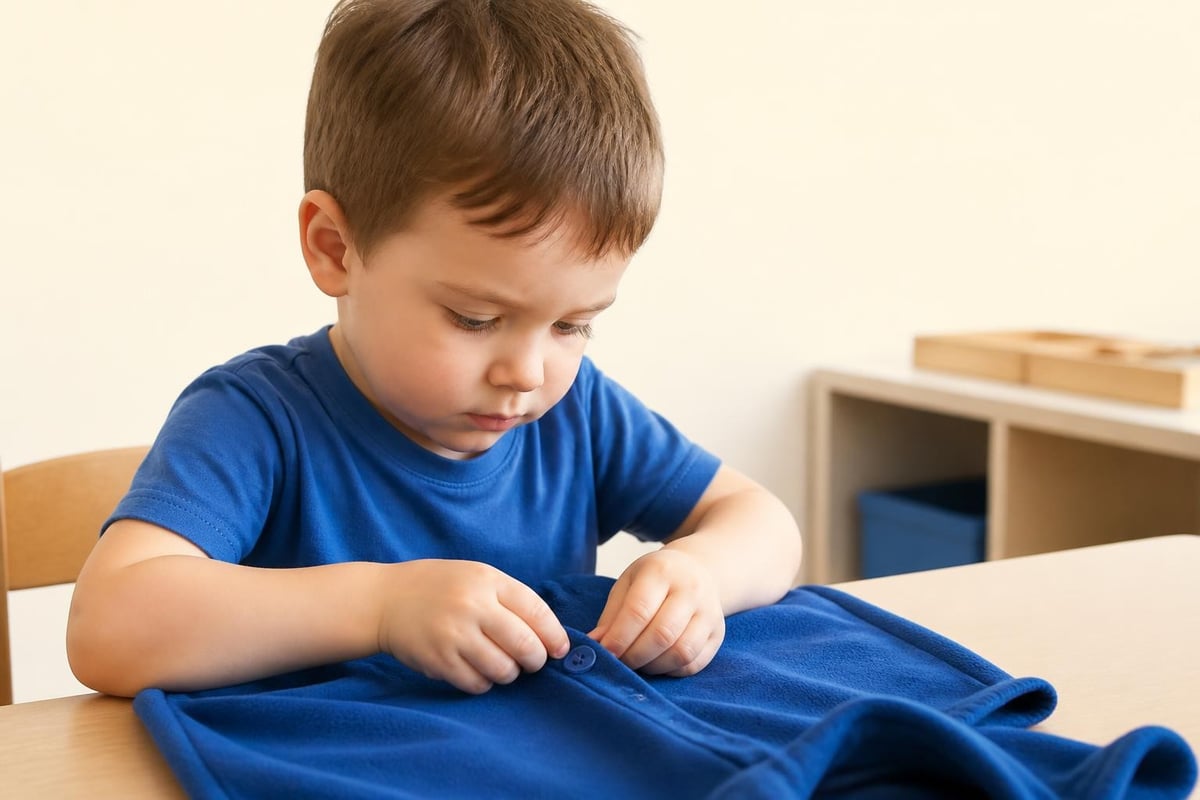
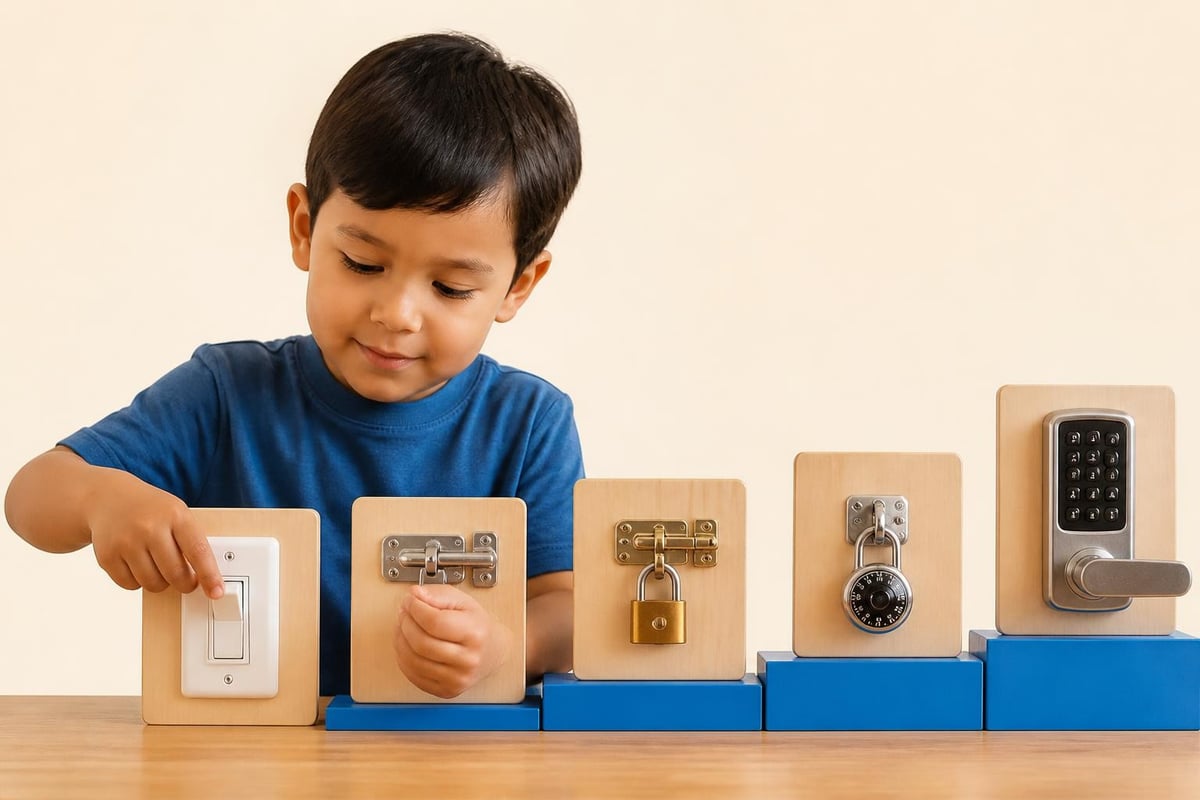
Fasteners and closures teach practical dressing skills. Include zippers, buttons, snaps, buckles, and Velcro strips. Latches and locks develop problem-solving abilities. Add door latches, barrel bolts, chain locks, and padlocks with keys.
Switches and knobs introduce cause-and-effect learning. Light switches, doorknobs, wheels, and gears create interactive experiences. Sensory elements provide tactile exploration. Consider textured panels, mirrors, fabric swatches, and musical components.
Advanced Features for Older Toddlers
As children approach age three, they benefit from more complex challenges. Counting beads, shape sorters, clock hands, and alphabet tiles add educational content. Some boards incorporate puzzle elements or matching games that prepare children for preschool activities.
| Age Range | Recommended Activities | Skills Developed |
|---|---|---|
| 12-18 months | Large switches, simple latches, textured panels | Basic cause-effect, sensory exploration |
| 18-24 months | Zippers, buckles, doorknobs, mirrors | Fine motor skills, self-recognition |
| 24-36 months | Keys and locks, complex latches, puzzles | Problem-solving, persistence, logic |
| 36+ months | Numbers, letters, clocks, matching games | Pre-academic skills, pattern recognition |
Making the Right Choice for Your Child
Every child develops differently, so the best busy board for your neighbor's toddler might not suit your child perfectly. Consider your child's current abilities, interests, and attention span when selecting activities.
Assessing Your Child's Current Skills
Observe what your child can already do independently and what challenges them appropriately. The best busy board offers mostly achievable activities with a few slightly challenging elements to encourage growth. If everything is too easy, your child will lose interest quickly. If everything is too difficult, frustration replaces fun.
Watch how your child interacts with objects around your home. Does your toddler gravitate toward buttons and switches? Do they love opening and closing doors? These preferences indicate which busy board activities will engage them most effectively.
Budget-Friendly Alternatives
Quality busy boards range from $30 to over $200 depending on size and features. Reviews of top busy boards for 2026 can help you find options at various price points. Mid-range boards around $50-$80 often provide excellent value with diverse activities and quality construction.
Budget considerations:
- Start with fewer high-quality activities rather than many cheap ones
- Consider DIY options if you're handy with tools
- Look for boards that grow with your child
- Check for sales and seasonal discounts
- Remember that durability saves money long-term
Where to Buy and What to Avoid
Purchase from reputable retailers who stand behind their products with warranties or return policies. Online marketplaces offer convenience but verify seller ratings and read detailed reviews. Specialty toy stores often provide expert guidance and hands-on examination before purchase.
Red Flags When Shopping
Avoid boards with loose parts that could detach easily. Skip products lacking safety certifications or those with strong chemical odors indicating harmful finishes. Be wary of boards with sharp edges, small magnets, or batteries accessible to children.
Read recent customer reviews carefully, looking for patterns in complaints about durability or safety issues. Photos from actual buyers often reveal quality better than professional product images. Check whether replacement parts are available if components break.
Maintenance and Longevity Tips
The best busy board maintains its appeal and functionality for years with proper care. Regular cleaning prevents germ buildup, especially important for toys that receive constant handling.
Cleaning and Sanitizing
Wooden boards need gentle cleaning with damp cloths and mild soap. Avoid soaking wood, which can cause warping or finish damage. Plastic and fabric boards often tolerate more aggressive cleaning, some even being machine washable. Check manufacturer instructions before deep cleaning.
Maintenance schedule:
- Weekly wipe-down with damp cloth
- Monthly deep cleaning with appropriate cleaner
- Quarterly inspection of all attached components
- Immediate attention to any loose or damaged parts
- Annual assessment of age-appropriateness
Extending Play Value Over Time
Rotate which busy board you make available if you have multiple options. Children appreciate rediscovering activities they haven't seen in a while. Add new challenges by introducing games, like racing to fasten all buckles or finding specific colors.
Create learning opportunities by talking about what your child is doing. Count button presses together, name colors, or discuss how mechanisms work. This interaction transforms independent play into valuable parent-child bonding time that enhances learning.
Special Considerations for Different Needs
Children with sensory processing differences, autism, or developmental delays often benefit tremendously from busy boards. The predictable, controllable nature of these activities provides comfort while building skills.
Adapting for Sensory Sensitivities
Some children need quieter activities without bells or clicking sounds. Others seek intense sensory input and prefer boards with musical elements and high-contrast colors. Understanding Montessori principles helps you select appropriate sensory levels for your child's unique needs.
Look for boards that allow customization. Removable elements let you adjust sensory input as your child's needs change. Some manufacturers offer add-on components you can introduce gradually.
Supporting Children with Developmental Delays
Busy boards excel at providing repeated practice opportunities without judgment or time pressure. Children working on specific motor skills can focus on relevant activities at their own pace. Occupational therapists often recommend busy boards as home therapy tools.
Choose boards with activities slightly below your child's current skill level to build confidence alongside capability. Success with simpler tasks motivates children to attempt more challenging activities. Celebrate every achievement, no matter how small it seems.
Environmental and Sustainability Factors
Eco-conscious families increasingly seek toys made from sustainable materials with minimal environmental impact. The best busy board options now include responsibly sourced wood, non-toxic finishes, and packaging made from recycled materials.
Eco-Friendly Materials
Bamboo grows rapidly and regenerates quickly, making it an excellent sustainable alternative to traditional hardwoods. Recycled plastic boards reduce waste while maintaining durability. Water-based, non-VOC finishes protect children's health and the environment.
Sustainability checklist:
- FSC-certified wood from managed forests
- Non-toxic, water-based paints and finishes
- Minimal plastic components
- Recyclable or biodegradable packaging
- Manufacturer commitment to environmental responsibility
Research companies' environmental practices before purchasing. Many brands now transparently share their sustainability efforts and material sourcing. Supporting businesses that prioritize the planet teaches children valuable lessons about responsible consumption.
Screen-Free Entertainment Value
In 2026, parents increasingly recognize the importance of limiting screen time for young children. The best busy board provides engaging entertainment that develops skills instead of passive viewing. Screen-free play ideas support healthy development in ways digital devices cannot replicate.
Competing with Digital Distractions
Busy boards succeed by offering immediate feedback and tangible results. Unlike screen activities, physical manipulation creates genuine understanding of cause and effect. Children feel the resistance of a zipper, hear the click of a latch, and see the direct results of their actions.
The tactile satisfaction of mastering a physical challenge builds confidence more effectively than virtual achievements. Real-world skills transfer to daily life immediately, creating practical motivation for continued engagement.
Building Your Busy Board Collection
While one quality busy board serves many families well, some parents build collections addressing different skill areas or portability needs. A large wall-mounted board at home combined with a compact travel version provides comprehensive coverage.
Complementary Learning Tools
Busy boards work beautifully alongside other Montessori-inspired educational toys to create rich learning environments. Shape sorters, stacking toys, and building blocks develop complementary skills. Musical instruments, art supplies, and outdoor equipment round out screen-free play options.
Create a rotation system where you alternate available toys weekly. This approach maintains novelty without requiring constant new purchases. Children engage more deeply with toys they haven't seen recently, rediscovering activities with fresh interest.
Growing with Your Child
The best busy board adapts as your child develops new capabilities. Some boards offer removable panels you can swap out for age-appropriate challenges. Others feature activities complex enough to engage children well past toddlerhood.
Consider long-term value when making your purchase. A slightly more expensive board that serves your child from 12 months through preschool costs less than buying multiple age-specific toys. Quality construction ensures the board remains functional and attractive throughout years of use.
Common Questions Parents Ask
Parents new to busy boards often have similar concerns about selection, safety, and effectiveness. Understanding these common questions helps you make confident decisions.
How Long Will My Child Use a Busy Board?
Most children actively engage with busy boards from around 12 months through three or four years old. Some continue enjoying their boards beyond age four, especially those with advanced activities. The extended play value makes busy boards excellent investments compared to toys with shorter engagement periods.
Interest naturally wanes as children master all activities and develop new capabilities requiring different challenges. You can donate outgrown busy boards to younger family members, childcare centers, or community organizations where they'll continue providing value.
Can I Make My Own Busy Board?
DIY busy boards let you customize activities perfectly for your child while potentially saving money. You'll need basic tools, a sturdy base board, and various hardware items. Many online guides provide detailed instructions and material lists.
Safety becomes your responsibility with DIY projects. Ensure all components attach securely with hardware that can't be removed by small hands. Sand all surfaces smooth and use only non-toxic finishes. Test everything thoroughly before allowing your child to use the board.
How Many Activities Should a Good Busy Board Have?
Quality matters more than quantity. The best busy board includes 8-12 well-chosen, securely attached activities rather than 20 poorly executed ones. Each activity should serve a clear developmental purpose and function smoothly. Too many activities can overwhelm young children rather than engaging them.
Focus on variety across different skill areas. Include fasteners, latches, sensory elements, and cause-and-effect activities. This diversity maintains interest longer than multiple variations of the same activity type.
Choosing the best busy board for your toddler involves balancing educational value, safety standards, age-appropriateness, and your child's unique interests. These versatile learning tools support development across multiple skill areas while providing screen-free entertainment that builds independence and confidence. Whether you select a compact travel board or a comprehensive activity center, you're investing in your child's growth through hands-on exploration and meaningful play. Ready to find the perfect busy board for your family? Explore KIDZEEHUB's carefully curated collection of Montessori-inspired educational toys designed to make learning fun, engaging, and developmentally appropriate for children across the USA.


