


In a world dominated by plastic, mass-produced items, crafted toys stand out as something truly special for children and families. These handmade treasures offer more than just playtime entertainment. They bring warmth, authenticity, and lasting educational value that electronic gadgets simply cannot match. Parents across America are rediscovering the beauty of artisan-made playthings that encourage imagination, support developmental milestones, and create memories that last a lifetime.
Why Crafted Toys Matter for Your Child's Development
Crafted toys provide unique developmental benefits that factory-made alternatives often miss. When skilled artisans create toys by hand, they infuse each piece with attention to detail, quality materials, and thoughtful design principles.
Children who play with handmade toys develop deeper emotional connections to their playthings. Research shows that kids feel emotionally attached to handcrafted toys because of their uniqueness and the care visible in every detail. This attachment encourages longer, more focused play sessions that build concentration skills.
Sensory Development Through Natural Materials
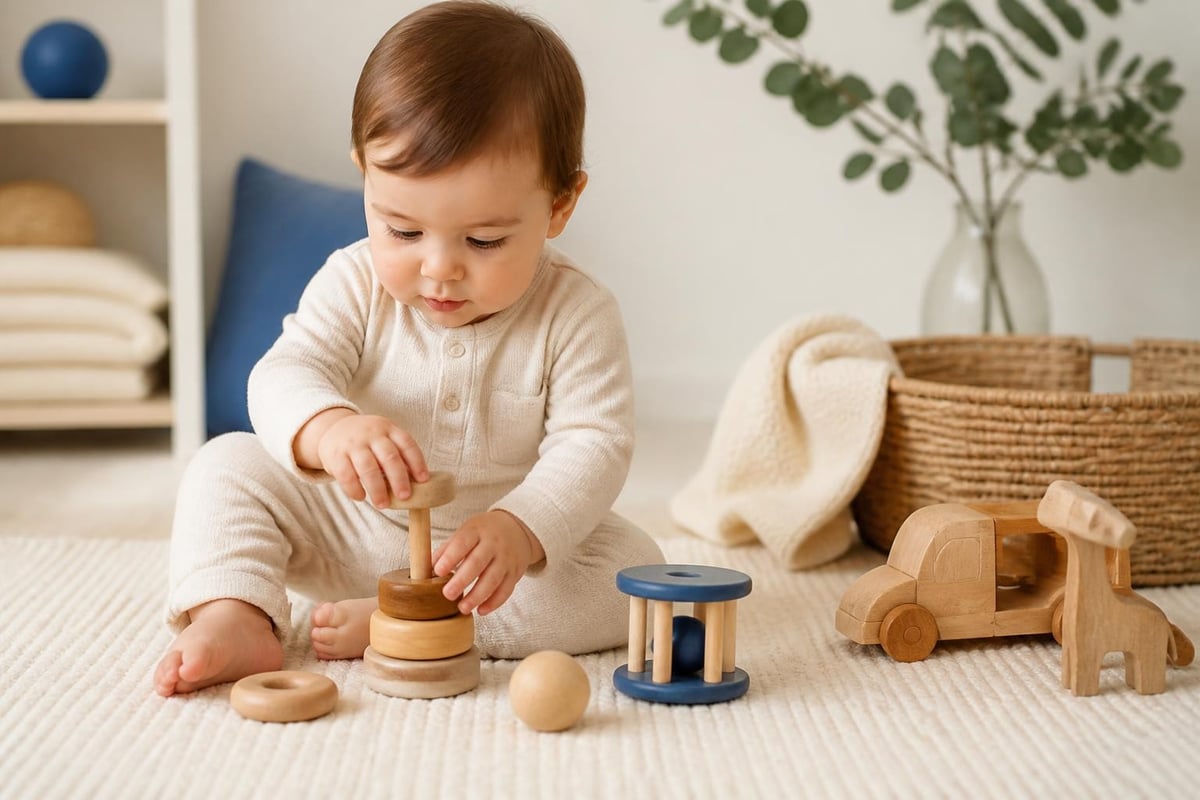
Crafted toys typically use wood, cotton, wool, and other natural materials that provide rich sensory experiences. These textures help young children develop tactile awareness and fine motor skills.
- Wood grain patterns offer visual interest that stimulates observation skills
- Natural weight and balance teach children about physics through play
- Organic materials feel warmer and more inviting than cold plastic
- Unique imperfections in handmade items help kids appreciate individuality
- Chemical-free finishes ensure safe mouthing for babies and toddlers
The benefits of handmade wooden toys extend beyond safety. They support sustainable living while giving children healthier play options.
Cognitive Growth Through Simplicity
Unlike flashy electronic toys, crafted toys encourage children to use their imagination. A simple wooden car becomes whatever the child dreams up during play.
This open-ended quality builds problem-solving skills and creative thinking. Children learn to entertain themselves without batteries or screens. They develop storylines, create scenarios, and explore possibilities limited only by their imagination.
The Montessori Connection to Handcrafted Play
Montessori education has long embraced handcrafted materials for learning. Dr. Maria Montessori understood that children learn best through hands-on interaction with carefully designed objects.
Crafted toys align perfectly with Montessori principles in several ways:
- They isolate single concepts for focused learning
- Natural materials connect children to the real world
- Beautiful design attracts and holds attention
- Appropriate weight gives accurate feedback during manipulation
- Durability allows repeated practice over time
Many families discover that Montessori-inspired toys provide the perfect balance between educational value and engaging play. These thoughtfully designed items support independence and self-directed learning.
Real Wood Versus Plastic Alternatives
| Feature | Crafted Wood Toys | Plastic Toys |
|---|---|---|
| Durability | Lasts generations | Breaks easily |
| Sensory Input | Rich textures, natural warmth | Uniform, often cold |
| Environmental Impact | Biodegradable, renewable | Petroleum-based, polluting |
| Educational Value | Open-ended, imagination-focused | Often battery-dependent |
| Emotional Connection | Strong attachment | Easily replaced |
The wooden toys market continues growing as parents recognize these advantages. Families increasingly choose quality over quantity when selecting playthings.
Types of Crafted Toys That Support Learning
Different handcrafted items serve various developmental needs. Understanding these categories helps parents select appropriate toys for their children's current stage.
Building and Construction Sets
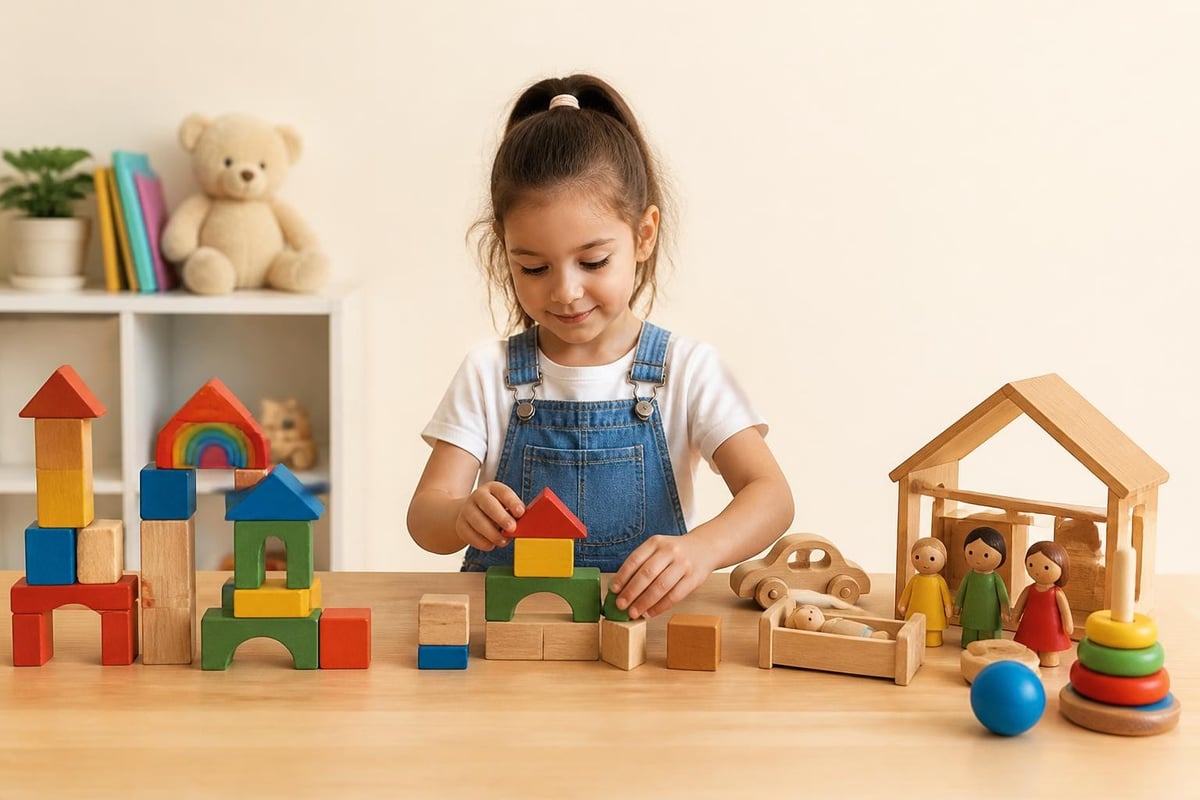
Handmade wooden blocks, puzzles, and stacking toys develop spatial reasoning and mathematical thinking. Children learn about balance, gravity, symmetry, and proportion through hands-on experimentation.
These crafted toys grow with your child. Toddlers stack simple towers, while older children create complex structures requiring planning and problem-solving.
Pretend Play Items
Artisan-made dolls, play kitchens, and miniature animals support social-emotional development. Handmade dolls market research shows growing demand for authentic, emotionally resonant play figures.
Children process experiences through pretend play. Handcrafted items invite deeper storytelling because their unique characteristics spark imagination in ways identical mass-produced toys cannot.
Movement and Balance Toys
Rocking horses, balance boards, and push toys help develop gross motor skills and coordination. The rocking horse market shows renewed interest in nostalgic, artisanal products that offer lasting value.
These crafted toys encourage active play without screens. They build core strength, balance, and spatial awareness through joyful movement.
Cultural Heritage Through Traditional Crafted Toys
Many handcrafted toys carry cultural significance that connects children to their heritage. Traditional Mexican handcrafted toys demonstrate how artisan playthings preserve cultural identity and traditional craftsmanship.
These culturally significant items teach children about:
- Historical traditions and customs from different regions
- Artistic techniques passed through generations
- Stories and folklore embedded in design elements
- Respect for skilled craftsmanship and dedication
- Global perspectives and cultural appreciation
When families choose crafted toys with cultural roots, they give children tangible connections to broader human experiences. This exposure builds empathy and cultural awareness from an early age.
Supporting Artisan Communities
Purchasing handcrafted toys directly supports skilled makers and their families. This economic choice preserves traditional skills that might otherwise disappear.
Many parents appreciate knowing exactly who made their child's toy. This transparency contrasts sharply with anonymous factory production. It teaches children about the value of human work and the importance of supporting sustainable economies.
Making Crafted Toys Part of Your Daily Routine
Integrating handmade toys into family life creates meaningful rituals and stronger bonds. These special items deserve intentional use rather than getting lost among mountains of plastic.
Rotating Toy Collections
Keep a smaller selection of crafted toys available at any time. Store others away and rotate them monthly. This approach:
- Maintains novelty and interest in familiar items
- Reduces overwhelming clutter in play spaces
- Teaches children to care for special possessions
- Extends the useful life of quality toys
- Encourages deeper engagement with available options
Children play more creatively with fewer, better-quality toys. The mindful selection of crafted items supports this approach naturally.
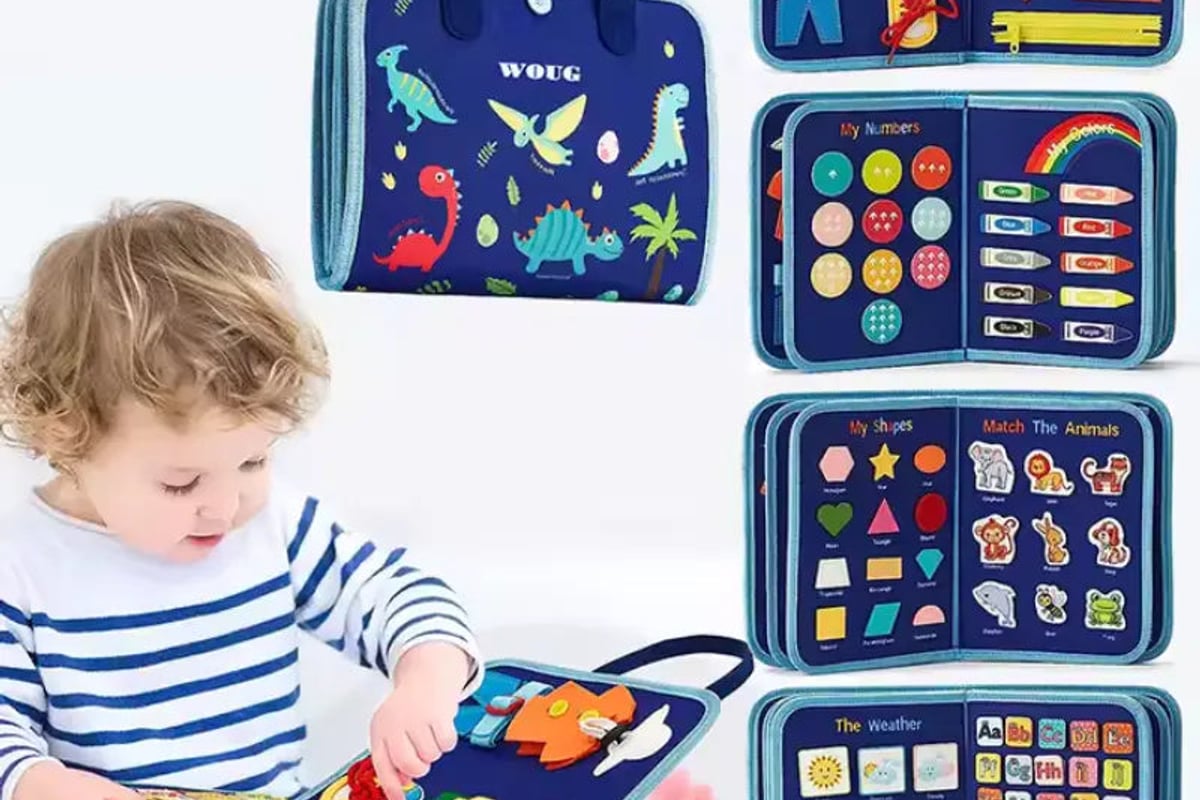
For families seeking hands-on learning experiences, the Montessori Busy Board offers interactive elements that develop fine motor skills and problem-solving abilities. This carefully designed activity board keeps toddlers engaged while building essential life skills through tactile exploration.
Creating Toy Care Traditions
Teaching children to care for handcrafted toys builds responsibility and respect for possessions. Establish simple routines:
- Wipe wooden toys with a damp cloth weekly
- Apply food-safe oil to maintain wood finish annually
- Repair small damages together as learning opportunities
- Store toys properly to prevent unnecessary wear
- Pass down beloved items to younger siblings or cousins
These practices transform toy maintenance into valuable life lessons about stewardship and sustainability.
Screen-Free Play in a Digital World
Handmade toys matter in the digital age precisely because they offer alternatives to constant screen exposure. Crafted toys provide tactile, three-dimensional experiences that digital media cannot replicate.
Children need real-world sensory input for healthy brain development. Handmade playthings deliver this input naturally through varied textures, weights, and physical interactions.
Building Attention Span Through Analog Play
Simple crafted toys require children to generate their own entertainment. This active engagement builds attention span far more effectively than passive screen watching.
| Digital Toys | Crafted Toys |
|---|---|
| Provide instant gratification | Reward patient exploration |
| Limit imaginative input | Require creative thinking |
| Isolate children | Encourage social interaction |
| Create dependency | Foster independence |
| Overstimulate senses | Provide balanced input |
Parents notice that children who regularly play with handmade toys develop better focus and longer attention spans during other activities too.
Family Bonding Through Shared Play
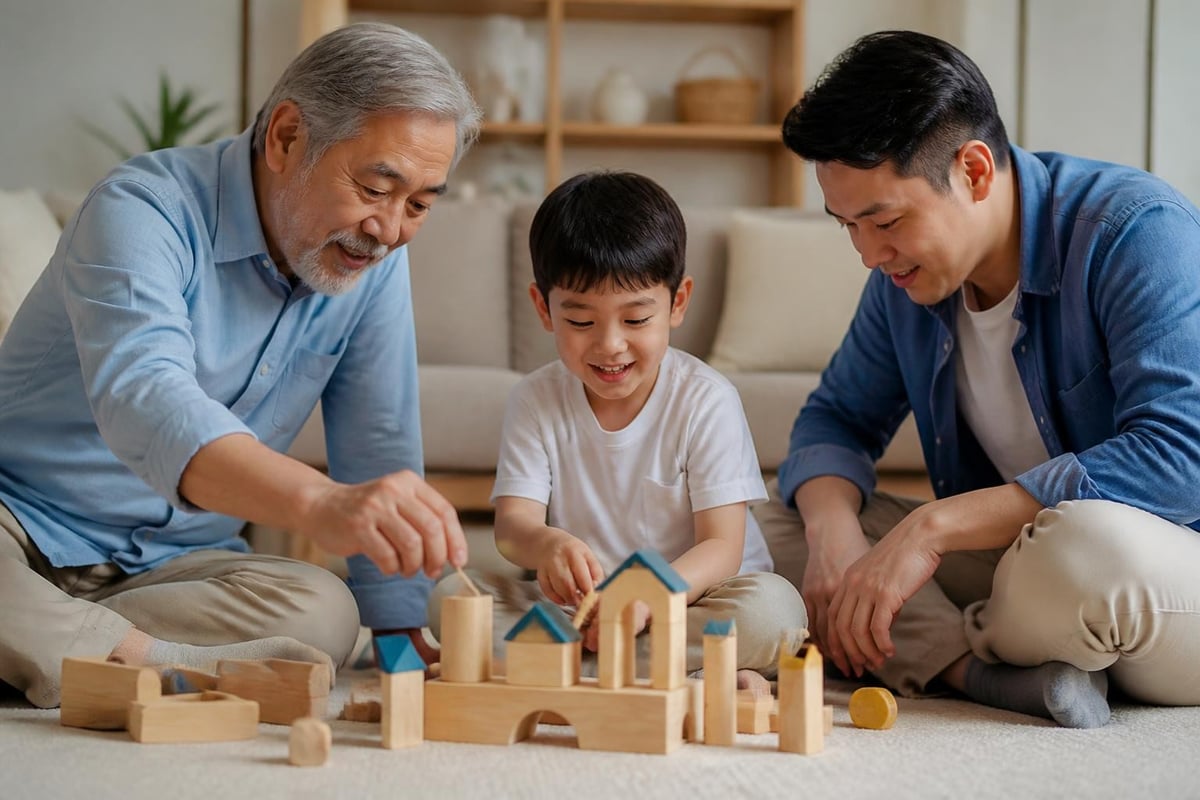
Crafted toys naturally invite adult participation. Parents and grandparents find it easier to engage with simple wooden blocks or dolls than complicated electronic gadgets.
This shared play time strengthens family relationships while modeling creativity and problem-solving. Children internalize these positive interactions, building secure attachments and communication skills.
Choosing Quality Crafted Toys for Different Ages
Selecting appropriate handmade toys requires understanding developmental stages and safety considerations. Age-appropriate choices maximize learning benefits while ensuring safe play.
Infants and Young Toddlers
For babies under 18 months, prioritize safety above all else:
- Choose larger pieces that cannot pose choking hazards
- Verify non-toxic finishes appropriate for mouthing
- Select smooth surfaces without splinters or rough edges
- Ensure no small parts can detach during play
- Look for simple shapes that small hands can grasp easily
Crafted toys for this age should stimulate senses without overwhelming. Simple rattles, teething rings, and soft fabric books work beautifully.
Preschoolers and Early Elementary
Children aged 2 through 7 benefit from crafted toys that challenge growing skills:
- Building sets with varying difficulty levels
- Pretend play items that support elaborate storytelling
- Art supplies and creative materials
- Simple puzzles and matching games
- Movement toys that develop coordination
At KIDZEEHUB, families find carefully curated selections appropriate for each developmental stage. Browse the full collection to discover handcrafted options that match your child's current interests and abilities.
Older Children and Tweens
Many crafted toys continue providing value well into the elementary years. Complex building sets, advanced puzzles, and artistic tools grow with children's expanding capabilities.
Older kids also enjoy collecting handmade items that reflect their personalities. Artisan dolls, miniature furniture, and detailed animal figures become cherished possessions rather than discarded clutter.
The Economics of Investing in Quality
Crafted toys typically cost more upfront than mass-produced alternatives. However, this initial investment pays dividends over time through durability and lasting appeal.
Cost Per Play Hour Analysis
Consider the true value equation:
Cheap plastic toy: $15 purchase price ÷ 20 hours of play before breaking = $0.75 per play hour
Quality crafted toy: $60 purchase price ÷ 500 hours of play across multiple children = $0.12 per play hour
The handmade option delivers far better value despite higher initial cost. It also avoids the hidden environmental costs of disposable toys.
Heirloom Quality and Sustainability
Many crafted toys become family heirlooms passed to future generations. This longevity represents both financial wisdom and environmental responsibility.
When you purchase quality handmade items, you're making a statement about values:
- Prioritizing sustainability over disposability
- Supporting skilled artisans and fair wages
- Teaching children to value quality craftsmanship
- Reducing landfill waste from broken plastic toys
- Creating meaningful traditions around special objects
These benefits extend far beyond the immediate play value, shaping family culture and children's worldviews.
Where to Find Authentic Crafted Toys
As demand grows for handmade playthings, more sources emerge. However, quality varies significantly. Parents should evaluate sources carefully.
Questions to Ask Before Purchasing
- What materials were used in construction?
- Are finishes non-toxic and child-safe?
- Who made this toy and where?
- Does the maker stand behind their workmanship?
- What is the expected lifespan of this item?
Reputable sellers provide detailed information about materials, makers, and safety testing. Be wary of vague descriptions or missing documentation.
Supporting Local Artisans
Local craft fairs and maker markets offer opportunities to meet artisans personally. This direct connection allows you to:
- Ask detailed questions about construction methods
- Request custom modifications for your child's needs
- Support your local creative economy
- Build relationships with skilled craftspeople
- See and touch products before purchasing
Many families treasure these personal connections as much as the toys themselves.
Caring for Handcrafted Toys Long-Term
Proper maintenance ensures crafted toys remain safe and beautiful for years. Most care requirements are simple and can involve children as learning experiences.
Basic Maintenance Guidelines
For wooden toys:
- Clean with slightly damp cloth and mild soap
- Dry thoroughly to prevent warping
- Apply food-safe mineral oil or beeswax annually
- Store away from direct sunlight and extreme temperatures
- Sand any rough spots that develop over time
For fabric items:
- Spot clean when possible to preserve shape
- Use gentle, fragrance-free detergents when washing
- Air dry to prevent shrinkage
- Repair small tears immediately before they worsen
- Store in breathable containers to prevent mustiness
When Repairs Are Needed
Crafted toys can often be repaired rather than discarded. Minor damage becomes a teaching opportunity about resourcefulness and problem-solving.
Simple repairs children can help with include:
- Gluing loose wooden components back together
- Sanding rough edges smooth again
- Sewing buttons or features back onto fabric toys
- Repainting worn areas with child-safe paints
- Reinforcing weak joints with additional glue
These hands-on experiences teach valuable skills while extending toy life even further.
The Growing Movement Toward Meaningful Play
Current trends show adults purchasing toys for themselves and as thoughtful gifts. This shift reflects broader cultural recognition of play's importance throughout life.
Crafted toys appeal to this movement because they offer:
- Aesthetic beauty that adults appreciate as decor
- Nostalgic connections to simpler childhoods
- Tangible alternatives to digital entertainment
- Meaningful gift options with emotional resonance
- Collectible items that hold or increase in value
This adult interest supports artisan communities while validating the enduring appeal of quality handcrafted items.
Building Collections Intentionally
Rather than accumulating random toys, many families now curate intentional collections of crafted items. This approach emphasizes:
- Choosing versatile pieces that support multiple play types
- Selecting items that complement existing toys
- Investing in quality over quantity
- Considering long-term value and durability
- Reflecting family values and interests
Thoughtful curation creates more satisfying play environments with less clutter and waste.
Teaching Values Through Toy Choices
Every purchase communicates values to children. Choosing crafted toys sends powerful messages about what matters in your family.
Lessons Embedded in Handmade Play
When you prioritize quality crafted toys, children learn:
- Patience: Good things are worth waiting and saving for
- Appreciation: Handmade items deserve care and respect
- Sustainability: We can choose options that protect our planet
- Artistry: Human creativity and skill have tremendous value
- Individuality: Unique items are more special than identical mass production
These lessons shape character development alongside cognitive and physical skills.
Conversations About Consumption
Crafted toys provide natural opportunities to discuss broader issues:
- Where do our possessions come from?
- Who makes the things we use daily?
- What happens to toys when we're finished with them?
- How do our choices affect other people and the environment?
- What does it mean to value quality over quantity?
Even young children can grasp these concepts when discussed concretely around specific toys they love.
Crafted toys offer families much more than simple entertainment. They provide rich developmental benefits, lasting value, and meaningful connections that mass-produced alternatives cannot match. By choosing handmade, quality playthings, parents support their children's growth while teaching important values about sustainability, craftsmanship, and mindful consumption. KIDZEEHUB brings together the best in educational, Montessori-inspired, and thoughtfully designed toys that make every play session meaningful. Explore our curated collection today to discover handcrafted options that will become cherished parts of your family's story for years to come.


