


Choosing the right toys for your little one can feel overwhelming with so many options available today. Early childhood education toys are specifically designed to transform playtime into powerful learning experiences that support your child's cognitive, physical, and emotional growth during their most formative years. From birth through age five, children develop critical skills that shape their future success, and the toys they interact with play a surprisingly significant role in this journey. Let's explore how educational toys make a real difference and how you can select the best options for your child in 2026.
Understanding Early Childhood Education Toys
Early childhood education toys are purposefully crafted tools that combine fun with learning objectives. Unlike traditional toys focused solely on entertainment, these educational options target specific developmental milestones while keeping children engaged and happy.
What Makes a Toy Educational
The most effective early childhood education toys share several key characteristics. They encourage active participation rather than passive watching. They grow with your child, offering different ways to play as skills develop. Most importantly, they spark curiosity and invite children to explore, experiment, and discover.
Research shows that game-based learning approaches significantly promote cognitive, social, and emotional development in young children. The right toys facilitate this natural learning process.
Core features of educational toys include:
- Open-ended play possibilities that adapt to different skill levels
- Sensory engagement through textures, colors, sounds, and movements
- Problem-solving challenges appropriate for the child's age
- Opportunities for creativity and imaginative thinking
- Safe materials and construction that meet current safety standards
Age-Appropriate Development Goals
Different age groups benefit from specific types of early childhood education toys. Understanding these developmental stages helps parents make informed choices.
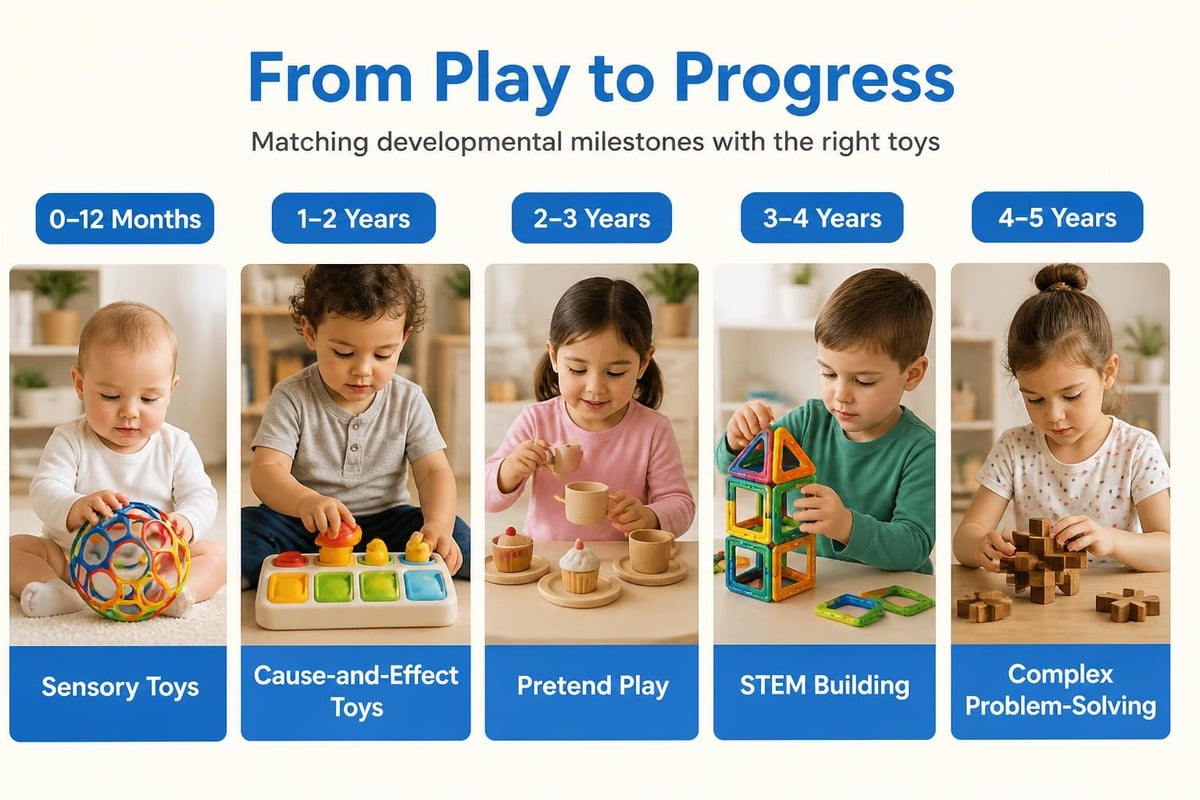
| Age Range | Key Developmental Focus | Ideal Toy Types |
|---|---|---|
| 0-12 months | Sensory exploration, motor skills | Rattles, soft blocks, textured toys |
| 1-2 years | Cause and effect, language | Stacking toys, simple puzzles, musical instruments |
| 2-3 years | Imagination, fine motor skills | Pretend play sets, art supplies, building blocks |
| 3-4 years | Problem-solving, social skills | STEM toys, cooperative games, role-play items |
| 4-5 years | Logic, early literacy/math | Advanced puzzles, counting games, science kits |
The Montessori Approach to Educational Toys
Montessori principles have guided quality early childhood education for over a century. This philosophy emphasizes child-led learning through carefully designed materials that respect children's natural development.
Key Montessori Toy Characteristics
Montessori-inspired toys stand out from conventional options in important ways. They're typically made from natural materials like wood rather than plastic. They focus on reality-based play before introducing fantasy elements. Most significantly, they isolate single concepts so children can master one skill at a time without overwhelming stimulation.
When you browse Montessori toys, you'll notice their simple, beautiful design. This intentional simplicity isn't just aesthetic-it helps children concentrate on the learning task without distraction.
Montessori toy benefits:
- Promote independence and self-directed learning
- Build concentration and focus abilities
- Develop practical life skills through hands-on practice
- Encourage respect for materials and the environment
- Support natural curiosity without artificial rewards
Practical Life Skills Through Play
One unique aspect of Montessori early childhood education toys involves practical life activities. These toys mimic real-world tasks, allowing children to practice skills they observe adults performing daily.
The Montessori Busy Board exemplifies this approach perfectly, featuring switches, buttons, zippers, buckles, and other interactive elements that develop fine motor skills while teaching everyday competencies. Children gain confidence as they master these real-life challenges independently.
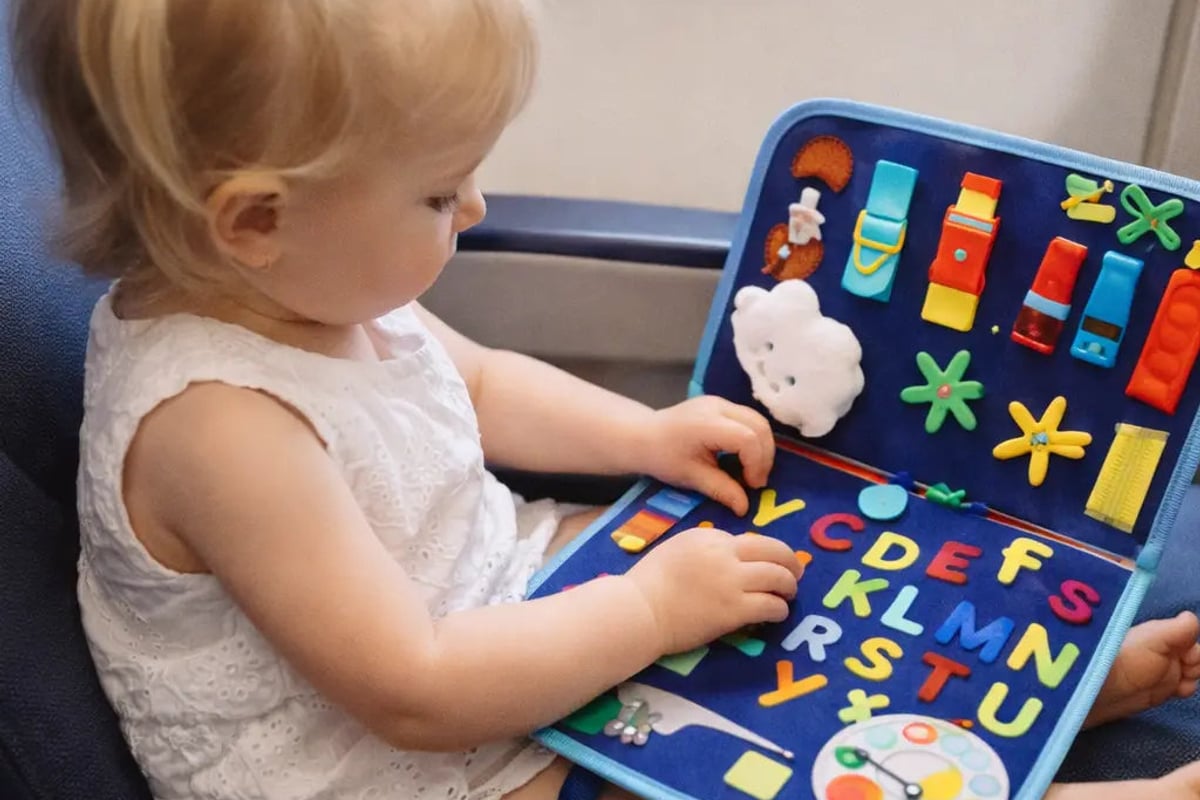
Children who practice with these hands-on learning tools often show increased confidence in their abilities and greater willingness to try new tasks independently.
STEM Learning Starts Early
Science, Technology, Engineering, and Mathematics education doesn't begin in elementary school. The foundation for STEM thinking develops during early childhood through exploratory play and problem-solving experiences.
Building Blocks of STEM Thinking
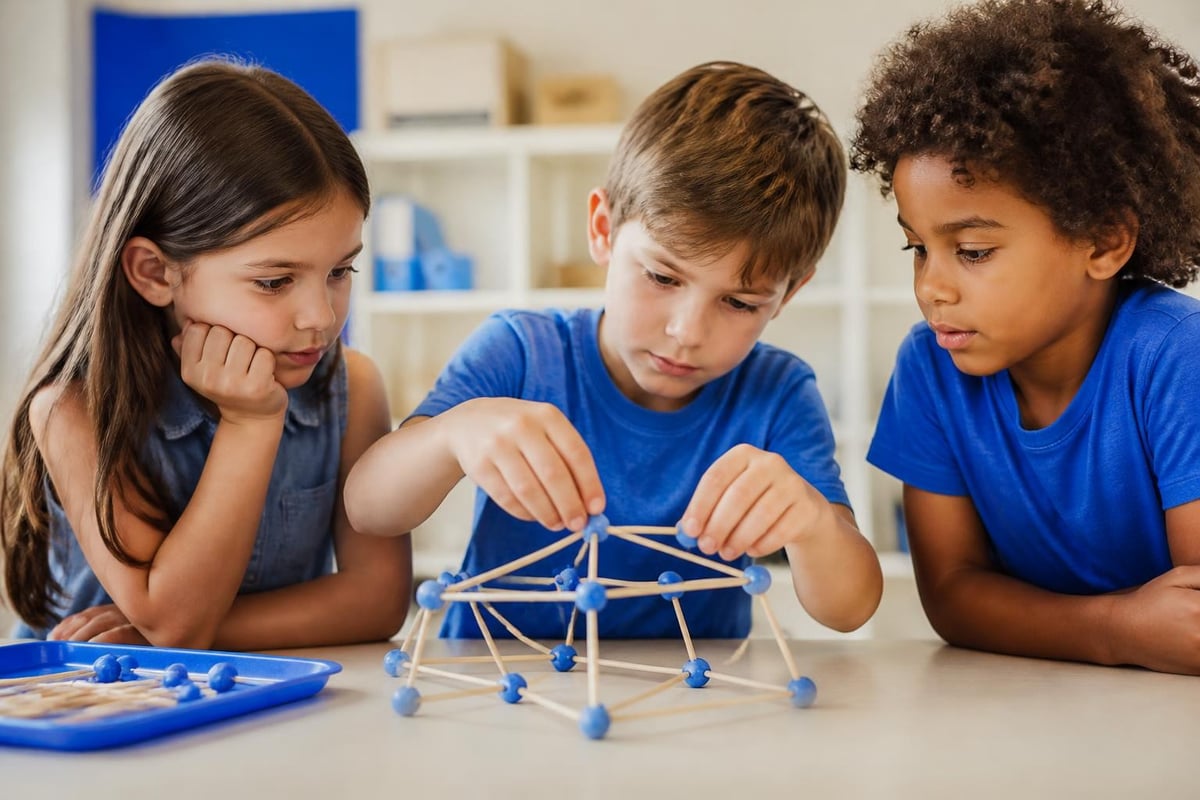
Early childhood education toys that promote STEM learning encourage experimentation and discovery. Simple building blocks teach physics concepts like balance, gravity, and structural integrity. Sorting games introduce mathematical thinking through patterns and categories.
The TIMPANI Toy Study identified specific toy characteristics that best engage children in intellectual and creative interactions, particularly open-ended construction materials.
STEM toys for different ages:
- Infants (0-12 months): Cause-and-effect toys that respond to actions
- Toddlers (1-2 years): Simple sorting and stacking activities
- Preschoolers (2-3 years): Basic building sets and water/sand exploration
- Pre-K (3-4 years): Magnetic building toys and simple machines
- Kindergarten readiness (4-5 years): Early coding toys and science experiment kits
Encouraging Natural Curiosity
Young children are born scientists, constantly asking "why" and "how" about their world. Quality STEM-focused early childhood education toys channel this curiosity into productive learning experiences.
Parents can enhance STEM learning by asking open-ended questions during play. Instead of showing the "right way" to use a toy, invite your child to explore different possibilities. This approach builds critical thinking skills that extend far beyond playtime.
Language Development Through Interactive Play
Communication skills form the foundation for all future learning. Early childhood education toys that promote language development give children tools to express themselves and understand others.
Vocabulary Building Toys
Interactive learning tools make vocabulary acquisition engaging and effective. Talking books, flashcards with audio components, and naming games introduce new words in context, helping children understand meaning alongside pronunciation.
Research consistently shows that children who engage with language-rich toys during early childhood develop stronger reading and communication skills later. The interactive nature keeps children engaged longer than passive activities.
Language development strategies with toys:
- Choose toys that encourage conversation and storytelling
- Select materials with clear, realistic images and sounds
- Play alongside your child, modeling proper pronunciation
- Repeat new words in different contexts throughout the day
- Celebrate attempts at communication, even when imperfect
Social-Emotional Learning
Language development extends beyond vocabulary to include emotional expression and social interaction. Early childhood education toys that involve cooperative play teach children to share, take turns, and express feelings appropriately.
Pretend play toys like kitchen sets, doctor kits, and dollhouses create opportunities for children to practice social scenarios in safe, low-stakes environments. They experiment with different roles and learn empathy by considering others' perspectives.
Sensory Play and Fine Motor Development
Sensory experiences shape brain development during early childhood. Toys that engage multiple senses simultaneously create stronger neural connections and support overall cognitive growth.
Textures, Sounds, and Visual Stimulation
The best early childhood education toys offer varied sensory input. Soft fabrics, rough wooden blocks, smooth plastic pieces, and bumpy rubber toys each provide different tactile experiences that help children understand their physical world.
Musical toys introduce auditory discrimination skills. Brightly colored materials support visual development and color recognition. Multi-sensory toys that combine these elements offer particularly rich learning opportunities.
| Sensory System | Toy Examples | Skills Developed |
|---|---|---|
| Touch | Textured balls, fabric books, playdough | Tactile discrimination, fine motor control |
| Sight | Puzzles, color sorting, pattern blocks | Visual tracking, color recognition |
| Hearing | Musical instruments, sound puzzles | Auditory processing, rhythm awareness |
| Movement | Balance boards, climbing toys, ride-ons | Gross motor skills, spatial awareness |
| Multiple senses | Water tables, sensory bins, art materials | Integration, creativity, exploration |
Fine Motor Skill Progression
Fine motor skills involve small muscle movements in hands and fingers. These abilities are essential for writing, self-care tasks, and countless daily activities. Early childhood education toys build these skills progressively.
Threading beads, manipulating puzzle pieces, and using child-safe scissors all strengthen hand muscles and improve coordination. Parents often underestimate how much practice children need to develop these seemingly simple skills.
Screen-Free Learning in a Digital Age
While technology has its place, excessive screen time during early childhood can interfere with healthy development. Screen-free early childhood education toys offer crucial benefits that digital alternatives cannot replicate.
Benefits of Hands-On Play
Physical manipulation of toys develops neural pathways differently than touchscreen interactions. Three-dimensional objects teach spatial relationships, weight, texture, and cause-and-effect through direct experience. This tangible learning creates deeper understanding than virtual simulations.
Children who regularly engage with hands-on early childhood education toys typically show better attention spans, more creative problem-solving abilities, and stronger social skills than those who spend excessive time with screens.
Screen-free advantages:
- Develops attention span and concentration abilities
- Encourages active rather than passive learning
- Promotes physical activity and gross motor development
- Facilitates parent-child bonding through shared play
- Reduces exposure to advertising and inappropriate content
Creating a Balanced Play Environment
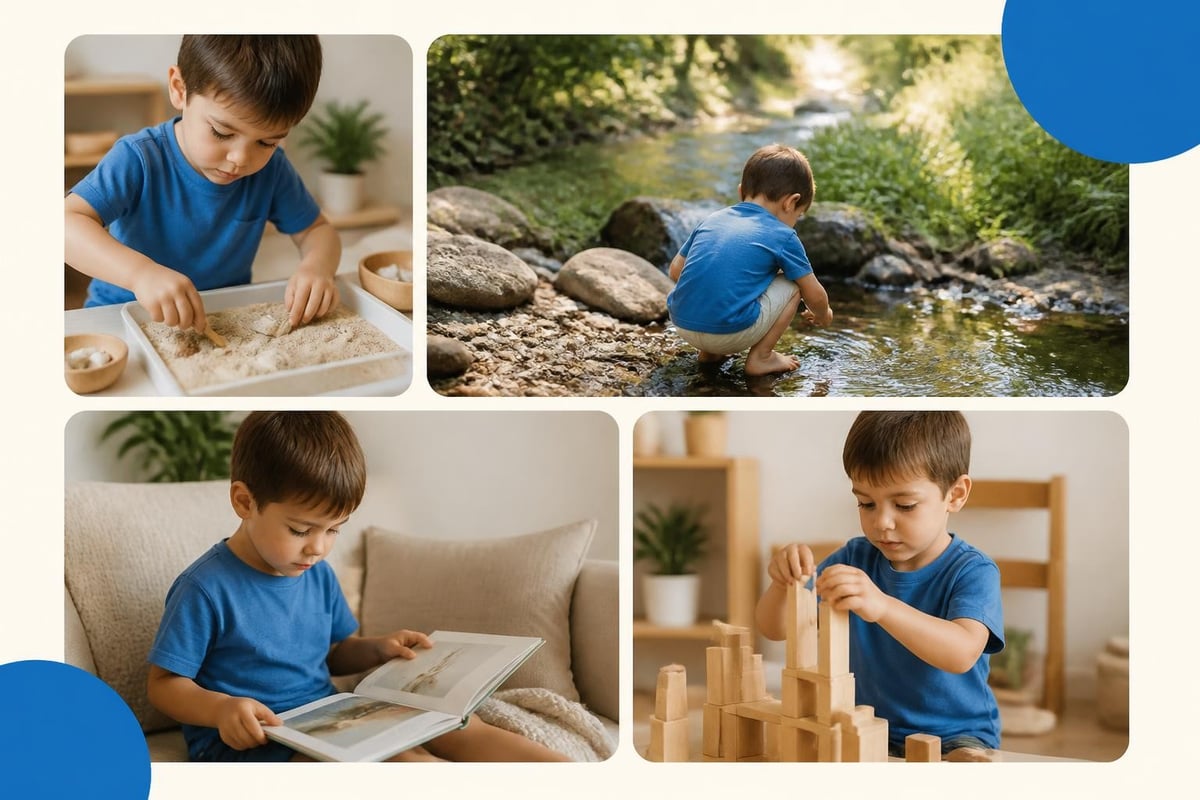
You don't need to eliminate technology completely. Instead, prioritize diverse play experiences that include plenty of hands-on exploration with quality educational toys. Set clear boundaries around screen time and offer engaging alternatives.
When children complain of boredom, resist the temptation to hand them a device. That moment of boredom often sparks the most creative, imaginative play. Quality early childhood education toys give children tools to entertain and educate themselves independently.
Safety Considerations for Educational Toys
Safety must be the top priority when selecting early childhood education toys. Even the most educational toy becomes dangerous if it poses choking hazards or contains toxic materials.
Age-Appropriate Safety Standards
Always check age recommendations on toy packaging. These guidelines exist for safety reasons, not just developmental appropriateness. Toys with small parts can cause choking in children under three years old.
Look for certifications from recognized safety organizations. In the United States, toys should meet Consumer Product Safety Commission (CPSC) standards. Avoid toys with sharp edges, loose parts that could detach, or strings longer than seven inches.
Safety checklist for educational toys:
- Check for age-appropriate labeling and warnings
- Inspect for small parts that could cause choking
- Verify materials are non-toxic and free from harmful chemicals
- Ensure toys are well-constructed without sharp edges or points
- Regularly examine toys for wear and damage
- Follow cleaning and maintenance instructions carefully
Material Matters
Natural materials like wood, cotton, and wool are generally safer choices for early childhood education toys. They're less likely to contain harmful chemicals found in some plastics. However, quality plastic toys from reputable manufacturers also meet strict safety standards.
Avoid toys with peeling paint, as children often put toys in their mouths. Water-based, non-toxic paints are safest for young children. When shopping at KIDZEEHUB, you'll find carefully curated options that prioritize both educational value and safety.
Making Smart Purchasing Decisions
With countless early childhood education toys available, how do you choose the best options for your child and budget? Strategic purchasing ensures you invest in toys that provide lasting value.
Quality Over Quantity
Fewer high-quality toys often provide better learning experiences than rooms full of cheap plastic items. Durable, well-designed early childhood education toys withstand years of play and can be passed down to siblings or friends.
Observe which toys your child returns to repeatedly. These favorites reveal your child's interests and learning style. Invest in similar high-quality options rather than accumulating toys that quickly lose their appeal.
Evaluating toy value:
- Consider how many ways the toy can be used
- Assess whether it grows with your child's abilities
- Evaluate durability and construction quality
- Check if replacement parts are available
- Research the manufacturer's reputation and values
Rotating Toys for Fresh Interest
Children can become overwhelmed by too many choices. Try rotating early childhood education toys every few weeks, storing some away while others remain accessible. This strategy makes "old" toys feel new again and helps children engage more deeply with fewer options at a time.
This approach also helps you identify which toys truly engage your child versus those that merely take up space. You can donate or sell toys your child has outgrown, making room for age-appropriate options.
Building Learning Through Play Habits
The most effective early childhood education toys support learning habits that extend far beyond specific skills. These foundational behaviors include persistence, curiosity, and joy in discovery.
Encouraging Exploration and Experimentation
Create an environment where mistakes are learning opportunities rather than failures. When your child struggles with a puzzle or building project, resist the urge to immediately help. Ask questions that guide their thinking: "What else could you try?" or "What happens if you turn that piece?"
This approach, supported by open-ended early childhood education toys, builds resilience and problem-solving abilities. Children learn that challenges are normal parts of learning rather than signs they should give up.
Parent Involvement Makes the Difference
Even the best toys work better when parents engage in play alongside children. Your participation shows that learning matters and makes activities more enjoyable. You don't need to direct the play-simply being present and interested makes a significant impact.
Ask your child to teach you how toys work. This role reversal builds confidence and reinforces learning. Share your own curiosity and wonder during play. When you model enthusiasm for learning, children internalize these positive attitudes.
Organizing Your Educational Toy Collection
A well-organized play space helps children engage more effectively with their early childhood education toys. Chaos and clutter can be overwhelming, making it difficult for children to focus on meaningful play.
Storage Solutions That Encourage Independence
Low shelves where children can see and reach toys promote independent play. Clear bins or labeled containers help even young children return toys to their proper places. This organizational system teaches responsibility and makes cleanup less frustrating for everyone.
Group similar toys together-all building blocks in one area, art supplies in another, pretend play items in a third section. This organization helps children understand categories and makes it easier to find what they want.
Effective toy organization tips:
- Use low, accessible shelving at child height
- Rotate toys regularly to maintain interest
- Store toys in clear containers when possible
- Label storage areas with pictures and words
- Keep frequently used items most accessible
- Create designated areas for different play types
- Involve children in cleanup routines
Creating Inviting Play Spaces
Dedicate specific areas for different types of play with your early childhood education toys. A cozy reading corner with cushions, a craft table with easy-to-clean surfaces, and a building area with ample floor space all invite engagement with different activities.
Natural light and comfortable temperatures make play spaces more inviting. Simple, uncluttered backgrounds help children focus on their toys rather than becoming overstimulated by busy patterns or excessive decorations.
Early childhood education toys offer far more than simple entertainment-they're essential tools that shape your child's cognitive, physical, social, and emotional development during their most formative years. By choosing quality options that align with Montessori principles, support STEM learning, encourage language development, and promote hands-on exploration, you're investing in your child's future success and lifelong love of learning. KIDZEEHUB carefully curates educational, Montessori-inspired toys designed to make every moment of play meaningful, helping your family create screen-free learning experiences that spark creativity, build confidence, and strengthen bonds through joyful discovery.


