


A montessori sensory board transforms everyday learning into an exciting hands-on adventure for young children. These educational tools combine tactile exploration with problem-solving opportunities, helping toddlers develop essential skills while having fun. Based on Dr. Maria Montessori's philosophy of sensory education and hands-on learning, these boards create natural learning environments where children explore at their own pace. Parents across America are discovering how these simple yet powerful tools support cognitive development, fine motor skills, and independent thinking without screens or batteries.
What Makes a Montessori Sensory Board Special
A montessori sensory board differs significantly from regular activity boards through its intentional design philosophy. These boards follow Montessori principles that emphasize child-led exploration and real-world skill development.
Core Design Principles
The foundation of every effective sensory board lies in authentic learning experiences. Unlike electronic toys that provide instant gratification, these boards encourage children to work through challenges independently.
Key characteristics include:
- Real-life elements like switches, locks, and zippers
- Natural materials such as wood, metal, and fabric
- Open-ended activities without predetermined outcomes
- Self-correcting features that teach through trial and error
- Age-appropriate challenges that grow with your child
Research on Montessori's educational philosophy and neuroscience demonstrates how sensory materials strengthen neural pathways through repeated practice and exploration.
Sensory Integration Benefits
Children process information through their senses, making tactile learning particularly powerful during early development. A well-designed board engages multiple senses simultaneously.
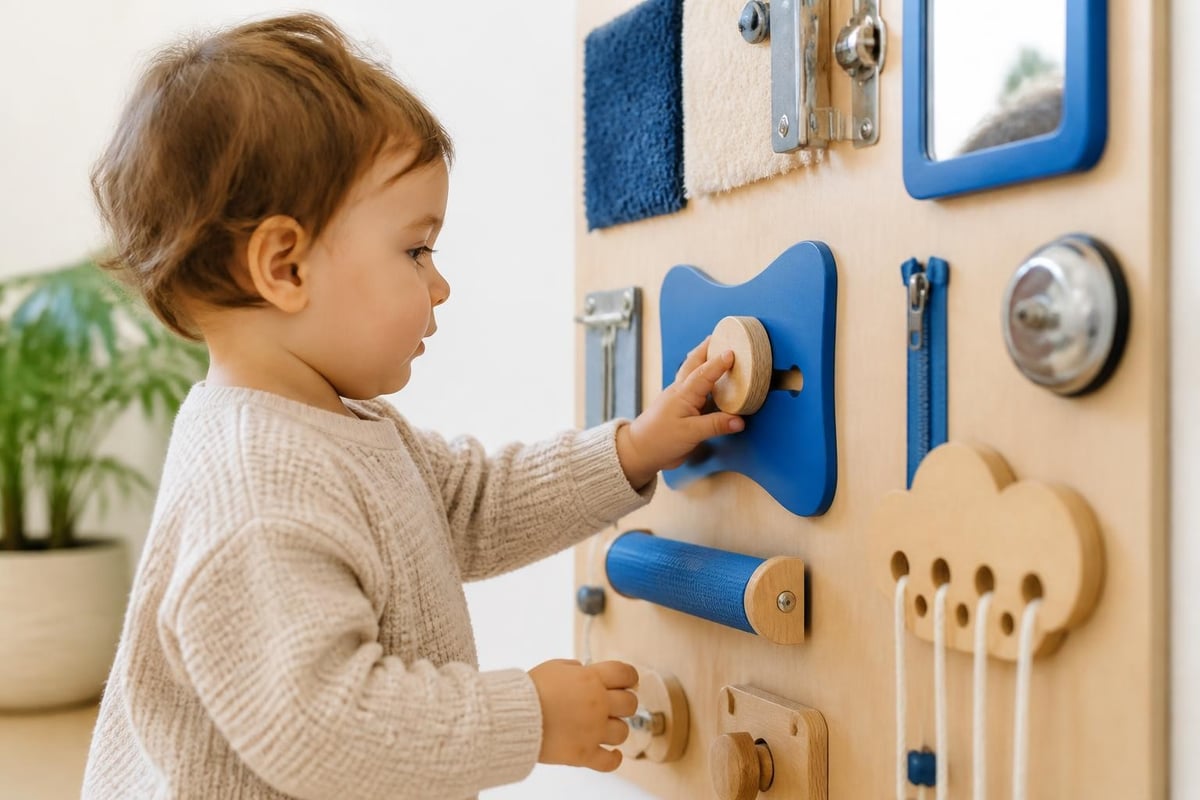
Each element on the board serves a specific developmental purpose. Textured surfaces build tactile awareness, while moving parts develop spatial reasoning. The combination creates a rich learning environment that supports whole-brain development.
Developmental Skills Through Board Activities
The beauty of a montessori sensory board lies in how naturally it teaches complex skills through simple activities. Every interaction builds foundations for future learning.
Fine Motor Skill Development
Small hand movements make big differences in child development. Activities that require precision strengthen the muscles needed for writing, self-care, and creative expression.
| Activity Type | Skills Developed | Age Range |
|---|---|---|
| Buttons and snaps | Finger dexterity, bilateral coordination | 18-36 months |
| Zippers and buckles | Hand-eye coordination, problem-solving | 2-4 years |
| Latches and locks | Wrist rotation, spatial awareness | 2.5-4 years |
| Switches and knobs | Pincer grasp, cause-and-effect | 12-30 months |
These everyday skills translate directly into independence. Children who master zippers on a board feel confident tackling their own jackets.
Cognitive Growth Opportunities
Beyond physical skills, sensory boards challenge young minds to think critically. Each puzzle becomes an opportunity for discovery.
Problem-solving develops through:
- Understanding how mechanisms work together
- Remembering sequences for complex tasks
- Testing different approaches when stuck
- Recognizing patterns and relationships
- Building persistence through repeated attempts
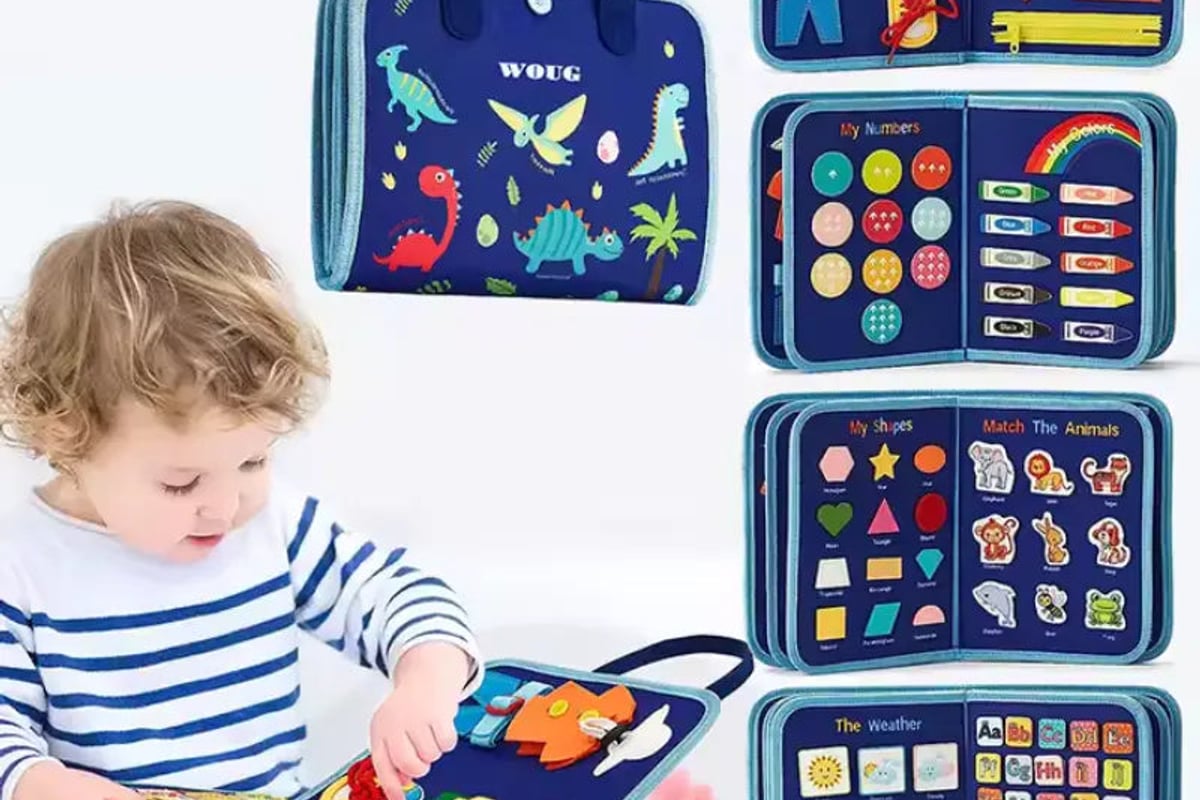
The Montessori Busy Board by KIDZEEHUB exemplifies these principles with thoughtfully selected activities that encourage exploration and independent problem-solving. Children develop confidence as they master each new challenge, building a foundation for academic success.
Language and Communication Skills
Sensory boards create natural conversation opportunities between parents and children. As toddlers explore, they build vocabulary through hands-on context.
Describing textures, colors, and actions expands language development organically. Parents can introduce words like "smooth," "bumpy," "twist," and "slide" while children experience these concepts physically.
Choosing the Right Board for Your Child
Not all sensory boards offer equal value. Understanding what to look for ensures your investment supports meaningful development.
Age-Appropriate Features
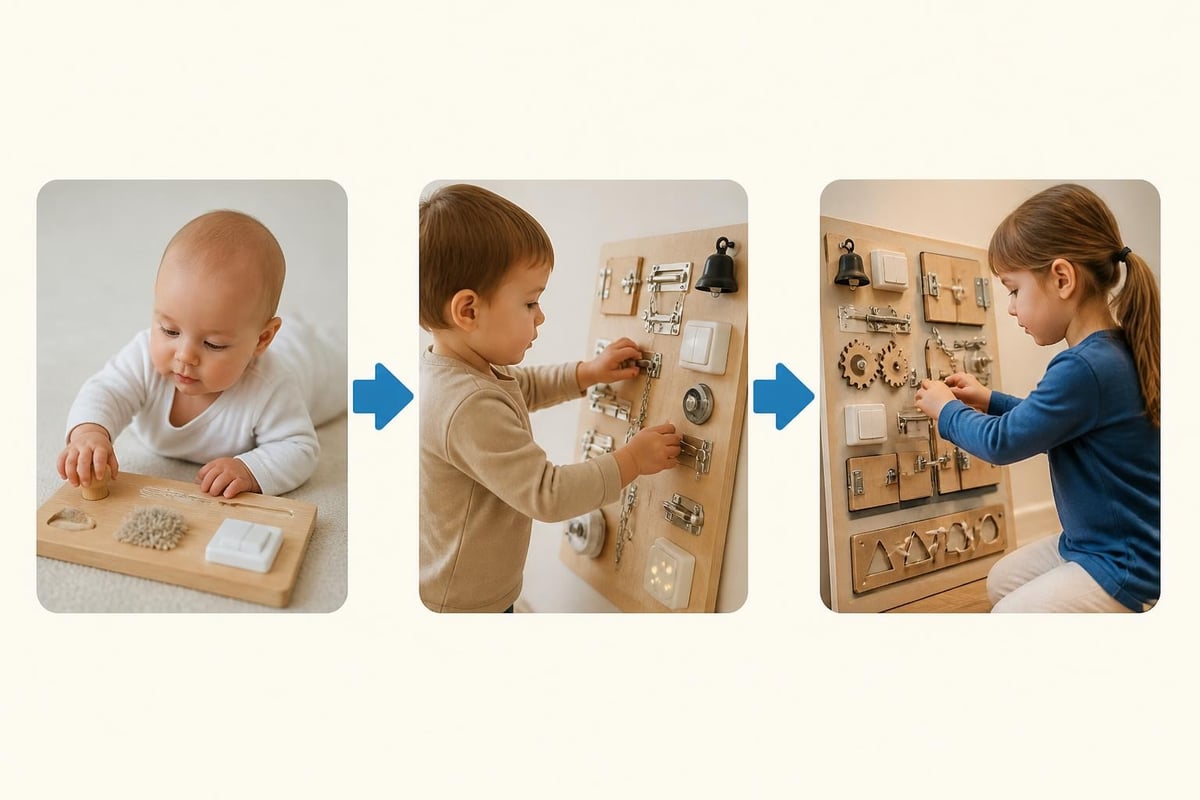
Matching board complexity to developmental stage maximizes engagement and learning. Too simple creates boredom, while too complex leads to frustration.
For 12-18 months:
- Large, easy-to-grasp elements
- Simple cause-and-effect activities
- High-contrast colors
- Textured surfaces for exploration
For 18-24 months:
- Basic puzzles and matching games
- Simple locks and latches
- Larger zippers and buttons
- Mirrors and rotating elements
For 2-3 years:
- Complex fasteners and buckles
- Multi-step problem-solving tasks
- Number and letter recognition elements
- Practical life skill activities
Parents should observe their child's current abilities rather than focusing solely on chronological age. Every child develops uniquely.
Safety and Quality Standards
Safety must never be compromised for educational value. Quality boards protect children while supporting learning.
Essential safety features include:
- Non-toxic finishes and paints
- Securely fastened components
- Smooth edges without splinters
- Durable construction for daily use
- Age-appropriate sizing to prevent choking hazards
Inspect boards regularly for wear and tear. Loose parts should be tightened or replaced immediately.
Material Considerations
Natural materials provide sensory richness that plastic cannot match. Wood offers warmth and texture that engages young learners authentically.
| Material | Benefits | Considerations |
|---|---|---|
| Solid wood | Durable, natural texture, sustainable | Heavier, requires maintenance |
| Plywood | Lightweight, affordable, stable | Quality varies, check for splinters |
| Fabric elements | Soft textures, washable, safe | May wear faster, check stitching |
| Metal hardware | Authentic feel, long-lasting | Ensure smooth edges, avoid rust |
Creating sensory-friendly learning environments means considering how materials feel, sound, and respond to touch.
Creating Effective Learning Experiences
Simply providing a sensory board isn't enough. How you introduce and support exploration shapes learning outcomes.
Setting Up for Success
Location and presentation influence how children engage with learning materials. Montessori philosophy emphasizes prepared environments that invite exploration.
Place the board at your child's eye level where they can easily reach all elements. Good lighting helps children see details clearly. Creating a dedicated learning space signals that this activity deserves focused attention.
Environmental considerations:
- Quiet space free from distractions
- Comfortable seating or standing height
- Adequate lighting for detailed work
- Storage nearby for related materials
- Room for parents to observe and assist when needed
Guided Discovery Approach
Resist the urge to demonstrate every feature immediately. Children learn best through self-directed exploration, with adults providing gentle guidance when needed.
Start by observing which elements capture your child's attention naturally. Their interests guide meaningful learning experiences. Answer questions and offer encouragement without taking over the activity.
Effective support strategies:
- Ask open-ended questions about what they discover
- Provide specific praise for persistence and problem-solving
- Model activities only when children show frustration
- Allow mistakes as natural learning opportunities
- Celebrate small achievements to build confidence
This approach aligns with Montessori materials and learning principles that emphasize independence and self-discovery.
Rotating and Refreshing Activities
Even the best board becomes less engaging over time. Strategic rotation maintains interest and challenges growing skills.
Remove elements your child has mastered and introduce new challenges periodically. This keeps the board fresh without overwhelming with too many choices simultaneously. Store unused pieces safely for future reintroduction.
Consider seasonal or thematic rotations that connect board activities to real-world experiences. Adding a key and lock when teaching home safety creates relevant context.
Maximizing Long-Term Value
A quality montessori sensory board represents a significant investment in your child's development. Smart strategies extend its usefulness and value.
Multi-Child Households
Siblings at different developmental stages can share boards with thoughtful planning. Older children mentor younger ones, reinforcing their own learning while building social skills.
Sharing strategies include:
- Designate specific times for each child's focused exploration
- Create challenges appropriate for each age level
- Encourage cooperative problem-solving activities
- Celebrate each child's unique achievements
- Supervise to ensure safety and positive interactions
DIY Customization Options
Many parents enhance commercial boards or create custom additions. Personalization increases relevance and engagement for specific learning goals.
Simple additions transform basic boards into dynamic learning tools. Adding family photos behind clear pockets teaches recognition. Seasonal decorations connect abstract skills to real experiences.
Popular customization ideas:
- Interchangeable activity panels for variety
- Personalized elements featuring familiar objects
- Themed decorations matching current interests
- Sensory jars or tubes for visual exploration
- Chalkboard or dry-erase sections for drawing
Explore more Montessori-inspired learning tools that complement sensory board activities for comprehensive skill development.
Transitioning to Advanced Learning
As children outgrow basic sensory boards, transition skills to real-world applications. The goal extends beyond board mastery to practical independence.
Practice zippering actual jackets after mastering board zippers. Transfer buckle skills to car seats and backpacks. This real-world connection fulfills the Montessori purpose of practical life skills.
Older preschoolers might enjoy boards featuring more complex challenges like combination locks, circuit switches, or gear systems. These advanced elements maintain engagement while building STEM foundations.
Integrating Boards into Daily Routines
Consistency amplifies learning benefits. Regular interaction builds skills more effectively than occasional marathon sessions.
Creating Routine Practice Times
Short, frequent sessions work better than long, irregular ones for young children. Attention spans naturally limit engagement duration.
Ideal practice patterns:
- 10-15 minutes during morning routine
- Quiet activity before naptime
- Independent play while preparing meals
- Wind-down activity before bedtime
- Weekend exploration sessions with parents
Observe your child's natural rhythms. Some children focus best after physical activity, while others prefer quiet morning exploration.
Balancing Structured and Free Play
While routine provides structure, spontaneous exploration equally matters. Allow children to approach the board whenever curiosity strikes.
This balance respects the Montessori principle of following the child's interests. Forced practice creates resistance, while genuine curiosity drives deep learning.
Documenting Progress and Milestones
Tracking development helps parents recognize growth that happens gradually. Simple documentation celebrates achievements and identifies areas needing support.
Take monthly photos or videos showing your child working with the board. These records reveal progress that daily interaction might obscure. Note which activities capture sustained attention and which create frustration.
Milestone tracking methods:
- Photo journal showing skill progression
- Simple checklist of mastered activities
- Written notes about problem-solving strategies
- Video clips capturing breakthrough moments
- Comparison photos showing increased independence
Supporting Special Learning Needs
Sensory boards benefit all children, including those with sensory processing differences or developmental delays. Thoughtful adaptation maximizes accessibility.
Sensory-Sensitive Children
Some children experience sensory input more intensely than others. Modifications create comfortable learning experiences without overwhelming sensitive systems.
Research on supporting sensory-sensitive children emphasizes gradual exposure and child-led pacing. Start with fewer elements and introduce new textures slowly.
Adaptation strategies include:
- Begin with preferred textures and familiar materials
- Offer noise-dampening options for sound-sensitive children
- Use calming colors rather than high-contrast patterns
- Allow breaks when showing signs of overstimulation
- Provide alternative activities with similar learning goals
Developmental Delays
Children developing at different paces benefit from adjusted expectations and modified boards. Success builds confidence that encourages continued effort.
Focus on current abilities rather than chronological age recommendations. Celebrate small steps forward without comparison to typical timelines. Consult occupational therapists for specific modifications supporting individual needs.
Building Confidence Through Success
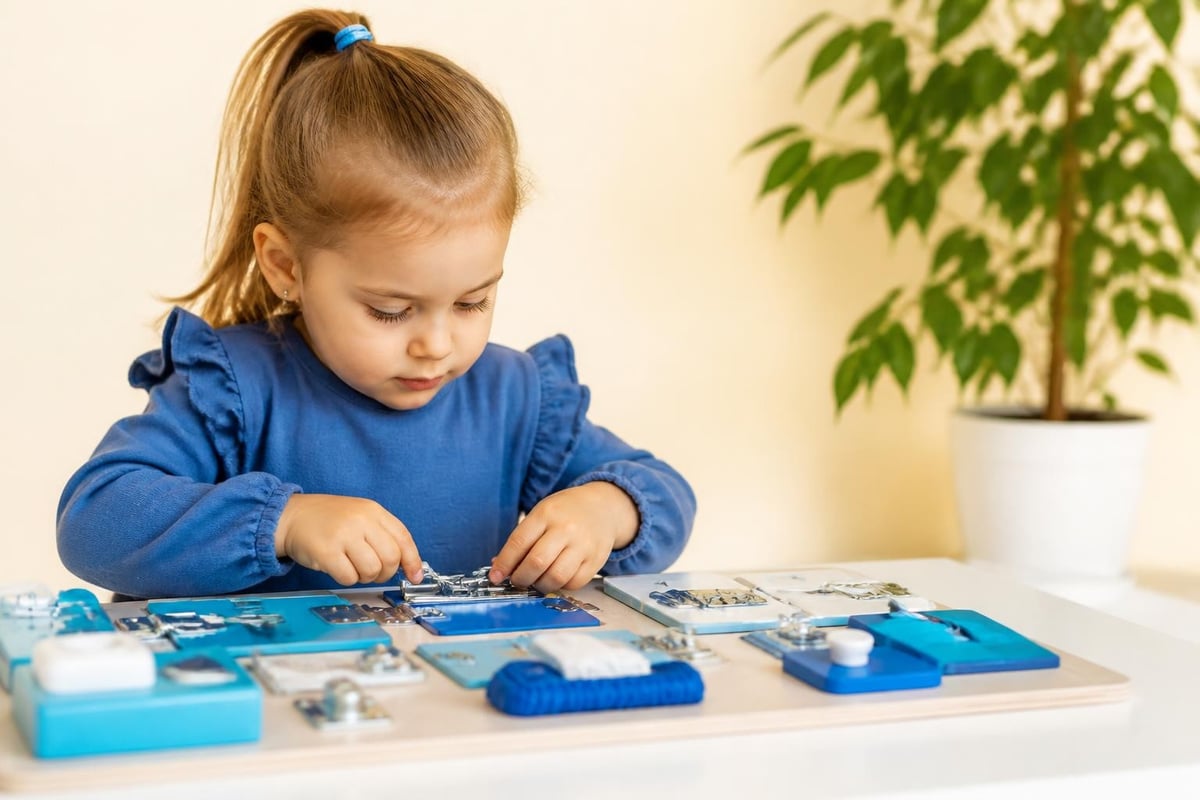
Every child deserves experiences that build competence and self-esteem. Sensory boards naturally provide opportunities for success when properly matched to abilities.
Start with activities your child can complete independently. Gradual difficulty increases maintain engagement without creating discouragement. This approach builds the persistence needed for harder challenges.
Common Challenges and Solutions
Even well-designed boards present occasional difficulties. Understanding common issues helps parents respond effectively.
Loss of Interest
Novelty eventually fades with any toy. Strategic interventions reignite engagement without purchasing new equipment.
Re-engagement tactics:
- Rotate board to different location
- Introduce challenges or games using board elements
- Invite playmates to explore together
- Add temporary decorations or themes
- Model genuine interest and enthusiasm yourself
Sometimes brief breaks restore interest naturally. Store the board away for a few weeks before reintroducing it.
Frustration with Difficult Tasks
Struggle indicates learning, but excessive frustration discourages effort. Finding the right balance requires observation and adjustment.
Offer minimal assistance that preserves independence. Hold a zipper steady while your child pulls, then gradually reduce support. Breaking complex tasks into smaller steps builds confidence through incremental success.
Safety Concerns During Use
Active toddlers sometimes use toys in unexpected ways. Supervision prevents accidents while allowing appropriate exploration.
Safety reminders:
- Never leave young children unattended with small parts
- Regularly inspect for loose or damaged components
- Anchor wall-mounted boards securely
- Position away from climbing hazards
- Remove boards showing significant wear
Teach appropriate use through modeling and gentle redirection rather than punishment.
Beyond the Board: Extended Learning
Sensory board skills transfer to countless real-world situations. Parents can extend learning through complementary activities.
Connecting to Everyday Life
Point out connections between board activities and daily tasks. This reinforcement shows children how their practice matters in real contexts.
When your child struggles with coat zippers, remind them of their board practice. Encourage them to apply problem-solving strategies they've developed. This transfer represents the ultimate learning goal.
Real-world application opportunities:
- Dressing independently with buttons and zippers
- Opening doors using various locks and latches
- Operating light switches and appliances safely
- Organizing belongings with buckles and snaps
- Helping with household tasks requiring fine motor skills
Complementary Learning Tools
Sensory boards work best as part of comprehensive learning environments. Other Montessori materials reinforce and expand developing skills.
Consider exploring additional resources at KIDZEEHUB that support screen-free, hands-on learning experiences. Building blocks, puzzles, and practical life tools complement sensory board activities beautifully.
Diverse learning materials prevent boredom while supporting multiple developmental areas simultaneously. Variety keeps children engaged while building comprehensive skill sets.
Parent Education Resources
Understanding child development helps parents maximize any learning tool's potential. Ongoing education strengthens teaching effectiveness.
The Montessori research collection offers evidence-based insights into how children learn through sensory experiences. These resources help parents make informed decisions about educational approaches and materials.
Local parenting groups often share practical tips for implementing Montessori principles at home. Connecting with other families provides support and fresh ideas.
Making Your Investment Count
Quality sensory boards represent significant purchases for most families. Smart shopping ensures you get lasting value.
Budget-Friendly Options
Effective learning doesn't require expensive equipment. Many affordable boards deliver excellent educational value when properly designed.
Cost-saving strategies include:
- Choose versatile boards with interchangeable elements
- Consider DIY additions to basic commercial boards
- Share costs with friends or family for occasional use
- Look for multi-child durability in construction
- Prioritize quality over quantity of features
Remember that expensive doesn't automatically mean better. Focus on developmental appropriateness and safety rather than price tags alone.
Quality Indicators
Certain characteristics distinguish excellent boards from mediocre ones. Knowing what to look for protects your investment.
| Quality Factor | What to Look For | Why It Matters |
|---|---|---|
| Construction | Solid joinery, smooth finish | Ensures safety and longevity |
| Hardware | Real functional pieces | Provides authentic learning |
| Materials | Natural, non-toxic options | Supports sensory development |
| Design | Logical layout, clear purpose | Facilitates independent use |
| Versatility | Adjustable difficulty levels | Grows with your child |
Read reviews from other parents focusing on durability and educational value rather than just entertainment factor.
Long-Term Planning
Consider how the board fits into your broader educational goals. The best purchases support multiple developmental areas over extended periods.
Think about siblings who might use the board in coming years. Choosing timeless designs over trendy themes extends relevance. Classic Montessori principles remain effective regardless of changing preferences.
Quality boards often become family heirlooms passed to younger siblings or cousins. This extended use maximizes both financial and educational value.
A montessori sensory board offers far more than simple entertainment, providing a foundation for independence, problem-solving, and real-world skills that benefit children throughout their lives. When you're ready to support your child's development through purposeful play, KIDZEEHUB offers carefully curated Montessori-inspired toys that transform learning into joyful discovery. Explore our collection today and give your child the gift of hands-on learning that builds confidence, creativity, and essential life skills.


