


Parents across the United States are rediscovering the magic of traditional play. As screens become increasingly common in our homes, many families are actively seeking alternatives that support healthy development without the digital distractions. Screen free toys offer children the chance to explore, create, and learn through hands-on experiences that build essential skills for life. These thoughtfully designed toys encourage imagination, problem-solving, and real-world interaction in ways that apps and videos simply cannot match. Whether you're a parent, grandparent, or someone searching for the perfect gift, understanding the benefits of screen free toys can help you make choices that truly support a child's growth and happiness.
Why Screen Free Toys Matter More Than Ever
The conversation around childhood screen time has shifted dramatically in recent years. Research continues to show that excessive screen exposure impacts cognitive and psychosocial development in young children, prompting many families to rethink their approach to play and learning.
Screen free toys provide children with opportunities to engage their senses, use their hands, and think creatively. Unlike passive screen time, these toys require active participation. Kids must manipulate objects, solve problems, and use their imagination to bring play scenarios to life.
The Developmental Advantages
Children who regularly play with screen free toys develop stronger fine motor skills, better concentration, and enhanced creativity. These benefits extend far beyond playtime and support success in school and social situations.
Key developmental benefits include:
- Improved hand-eye coordination through physical manipulation
- Enhanced problem-solving abilities from open-ended play
- Stronger social skills when playing with others
- Better attention spans without digital interruptions
- Increased creativity and imagination
- Greater physical activity and gross motor development
The difference becomes clear when you watch a child engaged with a hands-on toy. They're thinking, planning, adjusting their approach, and learning from trial and error. This type of active learning builds neural pathways that support lifelong cognitive development.
Types of Screen Free Toys That Support Learning
The world of screen free toys is incredibly diverse. From classic wooden blocks to modern Montessori-inspired learning tools, these toys span categories that appeal to different interests and developmental stages.
Building and Construction Toys
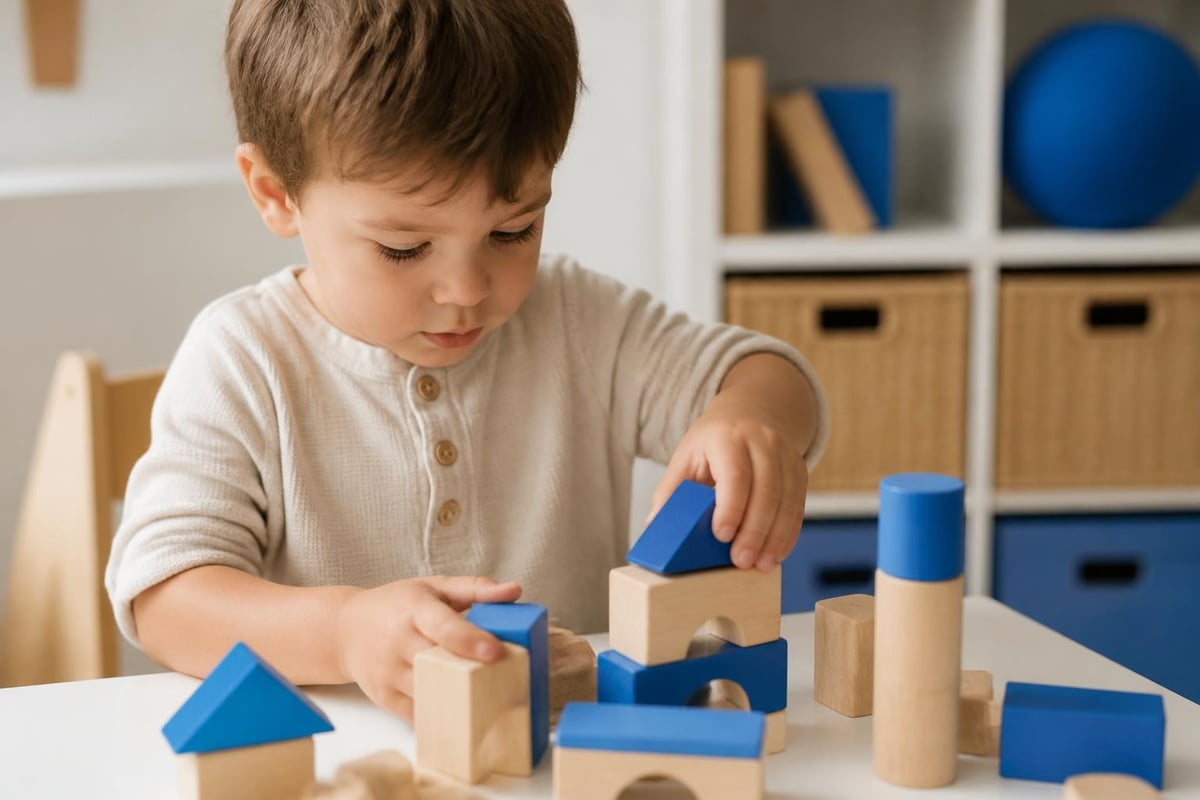
Building toys remain timeless for good reason. They teach spatial reasoning, engineering concepts, and patience. Children learn to plan, execute, and sometimes start over when things don't work out as expected.
- Wooden block sets for open-ended construction
- Magnetic building tiles that teach geometry
- Train sets that encourage creative track design
- Construction vehicles for imaginative play scenarios
Building and construction toys naturally incorporate STEM concepts without feeling like formal lessons. Kids experiment with balance, symmetry, and cause-and-effect relationships while having fun.
Montessori-Inspired Learning Tools
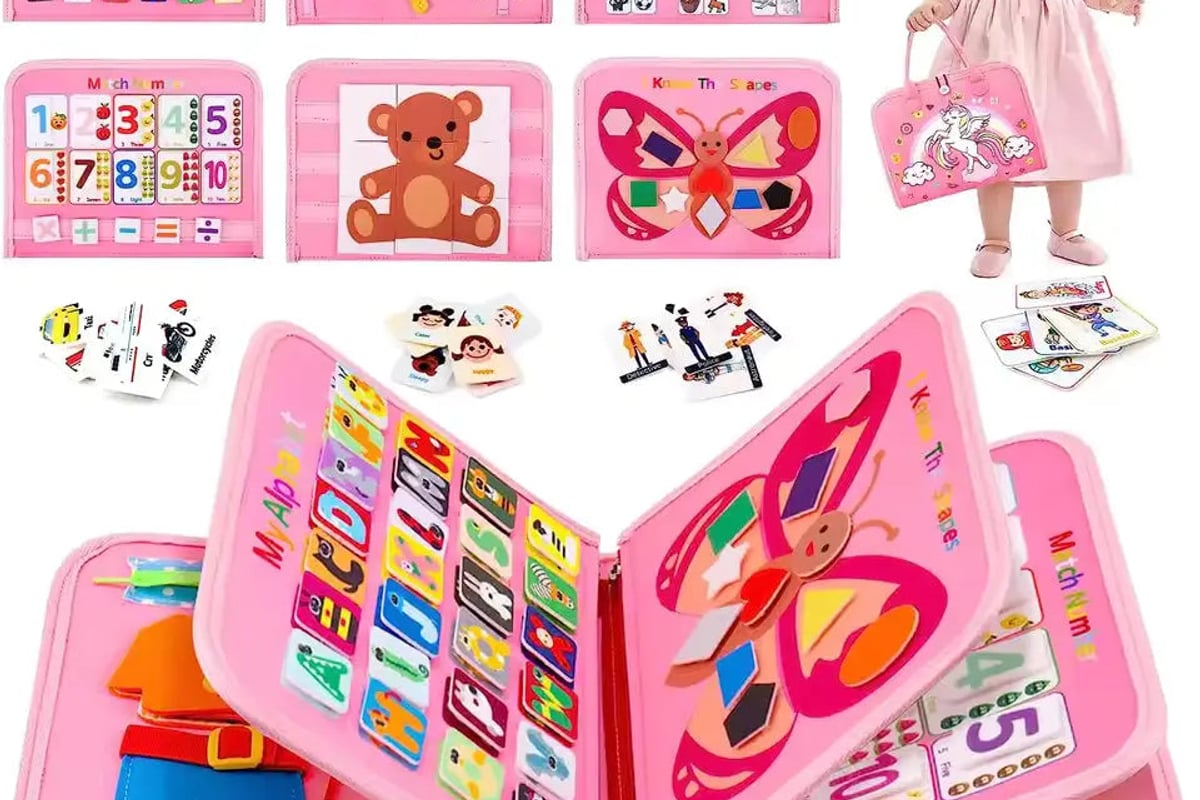
Montessori toys focus on practical life skills and self-directed learning. These toys often feature real-world tasks broken down into child-sized activities that build confidence and independence.
The Montessori Busy Board exemplifies this approach perfectly, offering interactive switches, buttons, zippers, and buckles that help toddlers develop fine motor skills and hand-eye coordination. Through exploration and repetition, children master tasks they'll use throughout life while enjoying screen-free engagement that keeps them focused and curious.
| Toy Type | Age Range | Primary Skills Developed |
|---|---|---|
| Busy boards | 12 months - 3 years | Fine motor skills, problem-solving |
| Sorting toys | 18 months - 4 years | Color recognition, categorization |
| Lacing beads | 3 - 6 years | Hand-eye coordination, patterns |
| Practical life tools | 2 - 6 years | Independence, life skills |
Creative Arts and Crafts
Art supplies and craft materials invite unlimited creativity. Unlike digital drawing apps, physical art materials provide sensory feedback that's crucial for development.
Essential creative screen free toys:
- Washable markers, crayons, and colored pencils
- Play dough and modeling clay
- Child-safe scissors and glue sticks
- Watercolor paints and brushes
- Craft kits with guided projects
- Collage materials like paper, fabric, and buttons
The tactile experience of creating something with your hands builds confidence and self-expression. Kids develop their own artistic voice while strengthening the small muscles in their hands and fingers.
Active Play Equipment
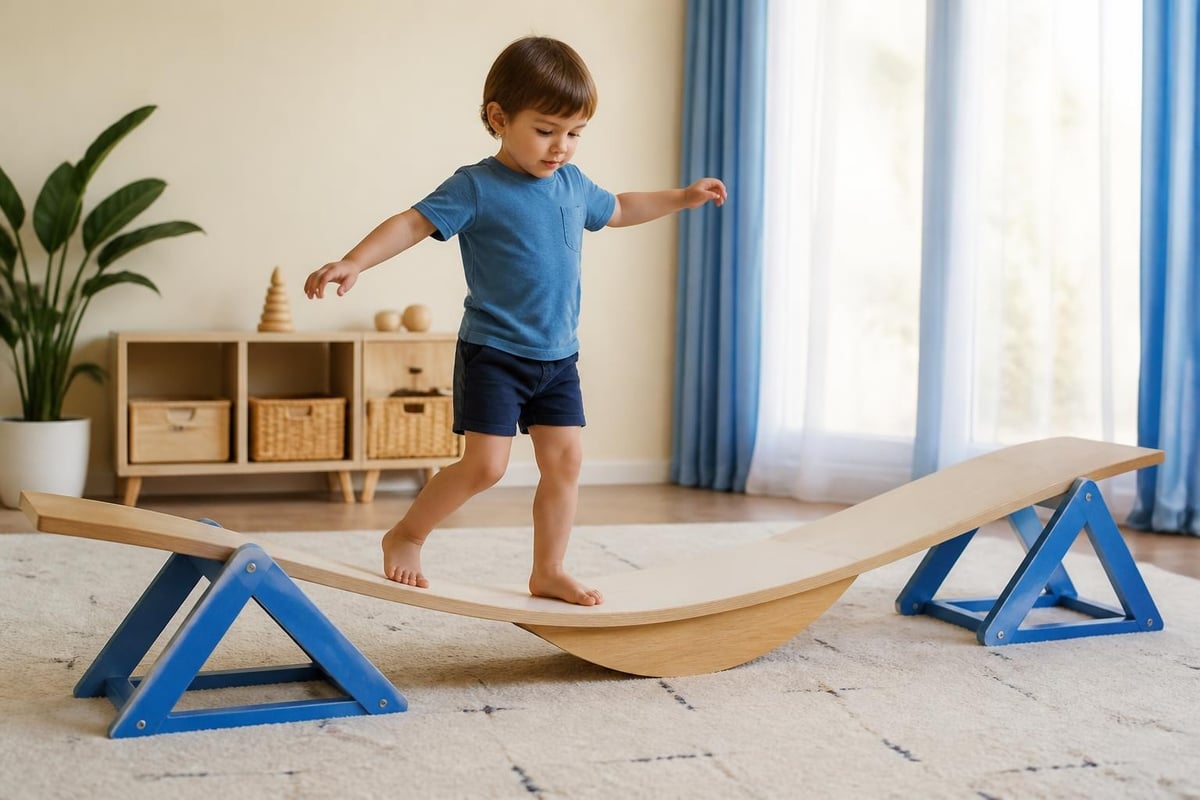
Physical activity toys get children moving and burning energy. These toys support gross motor development and overall physical health.
Balance bikes, climbing structures, and sports equipment teach coordination, balance, and spatial awareness. They also provide the physical outlet that growing bodies need for healthy development.
How Screen Free Toys Build Essential Life Skills
Beyond the obvious developmental benefits, screen free toys prepare children for real-world success. They teach skills that translate directly into academic and social achievement.
Problem-Solving and Critical Thinking
When children play with puzzles, building sets, or strategy games, they're learning to think critically. They must analyze situations, predict outcomes, and adjust their approach based on results.
This hands-on problem-solving is fundamentally different from solving digital puzzles. Physical toys provide immediate, tangible feedback. If a tower falls, the child sees and feels the result. This concrete learning builds stronger understanding than abstract digital experiences.
Social and Emotional Intelligence
Screen free toys often encourage group play. Whether it's building a fort together, playing pretend, or working on a collaborative art project, children learn to negotiate, share, and compromise.
Social skills developed through screen-free play:
- Taking turns and sharing resources
- Communicating ideas and listening to others
- Managing disappointment and celebrating success
- Cooperating toward common goals
- Reading social cues and body language
- Developing empathy through role-playing
These interpersonal skills form the foundation for healthy relationships throughout life. Digital games simply cannot replicate the complex social dynamics of in-person play.
Independence and Confidence
Many screen free toys are designed for independent play. Children learn to entertain themselves, solve problems without adult intervention, and trust their own abilities.
This self-directed learning builds confidence. When a child figures out how to complete a puzzle or build a complex structure, they experience genuine accomplishment. This internal motivation is far more powerful than the external rewards provided by digital games.
Choosing Age-Appropriate Screen Free Toys
Selecting the right toys for each developmental stage ensures maximum engagement and learning. Toys that are too simple bore children, while overly complex toys lead to frustration.
Infants and Young Toddlers (0-18 Months)
At this stage, babies explore through their senses. The best screen free toys offer varied textures, colors, and sounds.
- Soft fabric books with different textures
- Wooden rattles and teething toys
- Simple stacking rings
- Activity gyms with hanging toys
- Soft blocks for early building
Safety is paramount for this age group. All toys should be free from small parts, made from non-toxic materials, and designed to withstand mouthing and dropping.
Toddlers (18 Months - 3 Years)
Toddlers are developing their fine and gross motor skills rapidly. They benefit from toys that challenge their growing abilities without overwhelming them.
Ideal screen free toys for toddlers:
- Shape sorters and simple puzzles
- Push and pull toys for walking practice
- Large building blocks
- Musical instruments for exploration
- Pretend play items like play kitchens
This age group thrives on repetition. They'll happily engage with the same toy repeatedly as they master new skills.
Preschoolers (3-5 Years)
Preschoolers have longer attention spans and more complex play patterns. They enjoy toys that support imaginative scenarios and creative expression.
The best screen free toys for this age encourage storytelling, role-playing, and collaborative play. Dress-up clothes, play sets, and open-ended building materials all support this developmental stage beautifully.
School-Age Children (6+ Years)
Older children benefit from toys that challenge their thinking and support their interests. According to child development experts, the best screen free toys for school-age kids often incorporate STEM concepts, strategic thinking, or artistic expression.
- Advanced building sets with instructions
- Science experiment kits
- Board games requiring strategy
- Craft kits for specific projects
- Sports equipment for skill development
Making the Transition to Screen Free Play
Introducing screen free toys doesn't mean eliminating all technology overnight. A gradual, thoughtful approach works best for most families.
Creating Inviting Play Spaces
The environment matters. Organize toys in accessible ways that invite exploration. Rotate toys regularly to maintain interest and prevent overwhelm.
Tips for screen-free play spaces:
- Use low shelves where children can see and reach toys
- Create themed play areas (art corner, building zone)
- Include comfortable seating for reading and quiet play
- Ensure good lighting for detailed activities
- Keep spaces clutter-free to reduce overstimulation
The goal is making screen free toys the easy, appealing choice. When toys are visible and accessible, children naturally gravitate toward them.
Establishing Screen-Free Times
Designate specific times as screen-free. Many families find success with screen-free mornings, meal times, or the hour before bed.
During these times, focus on screen-free play ideas that engage fine motor skills and creativity. The routine helps children know what to expect and reduces resistance.
Leading by Example
Children mirror adult behavior. When parents put down their phones and engage with screen free activities, kids follow naturally.
Play together with screen free toys. Build with blocks, work on puzzles, or create art projects side by side. This shared time strengthens bonds while modeling healthy play habits.

The Science Behind Screen Free Play Success
Research consistently supports the benefits of traditional, hands-on toys. Studies show that simple, traditional toys support developmental skills more effectively than their electronic counterparts.
Cognitive Development Research
When children manipulate physical objects, they engage multiple brain regions simultaneously. This multi-sensory engagement creates stronger neural connections than passive screen watching.
Physical play also supports executive function development. These critical skills include planning, focus, memory, and self-control, all foundational for academic success.
Attention Span Studies
Screen free toys require sustained attention. Unlike screens that change scenes rapidly to maintain interest, physical toys teach children to focus deeply on single activities.
This deep focus, sometimes called "flow state," is associated with better learning outcomes and greater satisfaction. Children who regularly experience this type of engagement develop stronger concentration skills over time.
Comparison Studies
| Aspect | Screen Free Toys | Screen-Based Toys |
|---|---|---|
| Engagement Type | Active, hands-on | Often passive |
| Social Interaction | Encourages group play | Usually solitary |
| Creativity Required | High, open-ended | Limited, predetermined |
| Physical Movement | Promotes activity | Sedentary |
| Skill Development | Multi-sensory | Primarily visual |
| Parent-Child Bonding | High interaction potential | Limited interaction |
These differences explain why screen-free toys are winning the battle for child development in 2026.
Addressing Common Concerns About Screen Free Toys
Parents often have questions when transitioning away from electronic toys. These concerns are valid and worth addressing thoughtfully.
"But My Child Loves Their Tablet"
Many children initially resist when screen time decreases. This adjustment period is normal and temporary. The key is offering equally engaging alternatives.
Start small. Replace one screen session with an appealing hands-on activity. Involve your child in choosing new screen free toys that match their interests. Whether they love dinosaurs, art, or building, there are screen free options that will capture their attention.
"Screen Free Toys Seem Old-Fashioned"
Traditional doesn't mean outdated. Modern screen free toys incorporate current understanding of child development while avoiding the pitfalls of excessive screen exposure.
Many contemporary screen free toys feature innovative designs that challenge and engage children in ways previous generations never experienced. The focus on STEM learning, Montessori principles, and developmental appropriateness makes today's screen free toys more effective than ever.
"Won't My Child Fall Behind Technologically?"
Technology skills develop quickly and easily when introduced at appropriate ages. Young children don't need early tech exposure to succeed later. In fact, strong foundational skills in problem-solving, creativity, and focus better prepare children for future technology use.
According to experts at Forbes, screen-free engagement during early childhood creates stronger learners who later adopt technology more thoughtfully and skillfully.
Integrating Screen Free Toys Into Daily Routines
Consistency helps screen free play become habitual. Build these toys into your family's regular rhythms for best results.
Morning Play Sessions
Start the day with hands-on activities. Building sets, art projects, or pretend play provide positive morning energy without screen stimulation.
This routine also helps children wake up their brains and bodies naturally, preparing them for learning throughout the day.
After-School Decompression
Many children need downtime after school. Instead of defaulting to screens, offer calm screen free options like puzzles, coloring, or building activities.
These activities provide the relaxation children seek while supporting continued learning and development.
Family Game Nights
Weekly game nights with board games, card games, or building challenges create family traditions while reinforcing the value of screen free fun.
Benefits of regular screen-free family time:
- Strengthens family bonds through shared experiences
- Creates positive associations with non-digital entertainment
- Teaches good sportsmanship and social skills
- Builds communication and collaboration abilities
- Creates lasting memories and traditions
Bedtime Wind-Down
Screen exposure before bed disrupts sleep patterns. Replace this with calming screen free activities like reading, quiet building, or simple puzzles.
This transition helps children's brains prepare for rest while reinforcing the bedtime routine.
Best Screen Free Toy Categories for Different Interests
Every child has unique interests. Matching screen free toys to individual passions increases engagement and learning.
For the Future Engineer
Children who love how things work benefit from mechanical toys, building sets, and construction materials. These toys satisfy their curiosity while teaching engineering principles.
- Gear sets that demonstrate mechanical advantage
- Marble runs teaching physics concepts
- Building blocks for structural design
- Simple machines kits explaining levers and pulleys
For the Creative Artist
Artistic children thrive with open-ended creative materials. The less structured, the better for this group.
Supply them with quality art materials, play dough, fabric scraps, and recycled materials for sculpture and collage. Their imagination will do the rest.
For the Active Mover
High-energy kids need toys that get them moving. Balance bikes, climbing structures, balls, and sports equipment channel their energy productively.
These children especially benefit from screen free toys because they naturally prefer physical play to sedentary screen time.
For the Nature Lover
Outdoor exploration toys support children who love the natural world. Bug catching kits, magnifying glasses, and gardening tools encourage scientific observation.
These screen free toys extend learning beyond indoor play and foster environmental appreciation.
Quality Markers in Screen Free Toys
Not all screen free toys offer equal value. Knowing what to look for helps you choose toys that will engage children and last through years of play.
Material Quality
Durable, natural materials like wood, metal, and quality plastics outlast cheaper alternatives. They also provide better sensory experiences and are often safer.
Look for smooth finishes, sturdy construction, and materials that can withstand rough play. Toys that survive one child can be passed down to siblings or donated, making them more sustainable choices.
Open-Ended Design
The best screen free toys can be used in multiple ways. Open-ended toys grow with children and support different types of play.
A simple set of wooden blocks might be roads for toy cars one day, walls for a fort the next, and counting manipulatives during a math game. This versatility provides exceptional value.
Safety Standards
All toys should meet current US safety standards. Check for appropriate age labeling, non-toxic materials, and absence of small parts for young children.
Safety considerations by age:
- Under 3: No small parts, secure attachments, non-toxic finishes
- Ages 3-5: Age-appropriate complexity, rounded edges, stable construction
- Ages 6+: Clear instructions, quality materials, appropriate challenge level
Educational Value
Quality screen free toys teach something, whether it's cause and effect, color recognition, counting, or problem-solving. The learning should feel natural and fun, not forced.
Look for toys that challenge thinking, encourage creativity, or support skill development in age-appropriate ways.
Building a Balanced Toy Collection
You don't need hundreds of toys to support development. A thoughtfully curated collection of screen free toys serves children better than overwhelming abundance.
Core Categories to Include
A balanced collection includes variety across several key categories. This ensures different types of play and learning.
- Building and construction (blocks, building sets)
- Creative expression (art supplies, play dough)
- Pretend play (dolls, play sets, dress-up)
- Active play (balls, balance toys, outdoor equipment)
- Puzzles and games (age-appropriate challenges)
- Reading materials (books, storytelling props)
The Toy Rotation System
Keep some toys stored and rotate them regularly. This approach maintains novelty without constant purchases.
Every few weeks, swap out some toys for others. Children rediscover old favorites with fresh enthusiasm, and the limited selection reduces overwhelm.
Quality Over Quantity
One well-made, engaging screen free toy provides more value than multiple cheap, quickly broken items. Invest in quality pieces that will last and maintain children's interest.
Consider each toy's potential for varied play, durability, and educational value before purchasing. This thoughtful approach builds a collection that truly serves your child's development.
Where Screen Free Toys Fit in a Digital World
Screen free toys aren't about rejecting technology entirely. They're about providing balance and ensuring children develop foundational skills before adding digital layers.
Technology as a Tool, Not a Default
Children who build strong skills through hands-on play use technology more intentionally later. They see screens as tools for specific purposes rather than default entertainment.
This perspective helps children develop healthier relationships with technology throughout their lives.
Preparing for Future Success
The skills developed through screen free play, creativity, problem-solving, collaboration, and critical thinking, are exactly what future careers demand. These abilities cannot be automated or replaced by artificial intelligence.
By focusing on screen free toys now, you're investing in capabilities your child will use throughout their education and career.
Teaching Digital Citizenship
When children do use screens, they can apply the patience, focus, and problem-solving skills learned through screen free play. This foundation supports more mindful, purposeful technology use.
Parents can guide this by discussing appropriate screen use, demonstrating healthy habits, and maintaining clear boundaries around when and how digital devices fit into family life.
Screen free toys offer children something screens simply cannot: the chance to engage their whole selves in learning through play. These hands-on experiences build the creativity, problem-solving abilities, and social skills children need for lifelong success. When you're ready to bring more meaningful play into your family's life, KIDZEEHUB offers a carefully curated collection of educational, Montessori-inspired, and STEM toys designed to make screen-free learning fun, engaging, and developmentally appropriate for children across the USA.


