


When you decide to shop Montessori materials for your child, you're making a choice that goes far beyond simply buying another toy. You're investing in an educational philosophy that has transformed how millions of children learn, grow, and develop confidence since Dr. Maria Montessori first introduced her revolutionary approach over a century ago. Understanding what makes Montessori materials special and how to choose the right ones can feel overwhelming, especially with countless products claiming to be "Montessori-inspired." This guide will walk you through everything you need to know about shopping for authentic Montessori materials that truly support your child's development.
What Makes Montessori Materials Different
Montessori materials stand apart from regular toys because they're designed with specific educational purposes in mind. Each item serves as a tool for discovery rather than mere entertainment.
Authentic Montessori materials share these characteristics:
- Self-correcting design that lets children recognize and fix mistakes independently
- Natural materials like wood, metal, and cotton instead of plastic
- Single-concept focus that isolates one skill at a time
- Real-world functionality that prepares children for practical life
- Aesthetic simplicity without flashing lights or electronic sounds
When you shop Montessori products, you'll notice they look quite different from mainstream toys. They're often made from natural wood with muted colors. They don't make noise unless the noise teaches something specific, like cause and effect. The Montessori method emphasizes hands-on learning through carefully designed materials that respect children's natural development.
The Philosophy Behind the Products
Before you shop Montessori materials, understanding the underlying philosophy helps you make better choices. Dr. Montessori believed children learn best through independent exploration in a prepared environment.
The key principles of Montessori education include respect for the child, the absorbent mind, and sensitive periods when children are particularly receptive to certain types of learning. Materials should match these developmental windows.
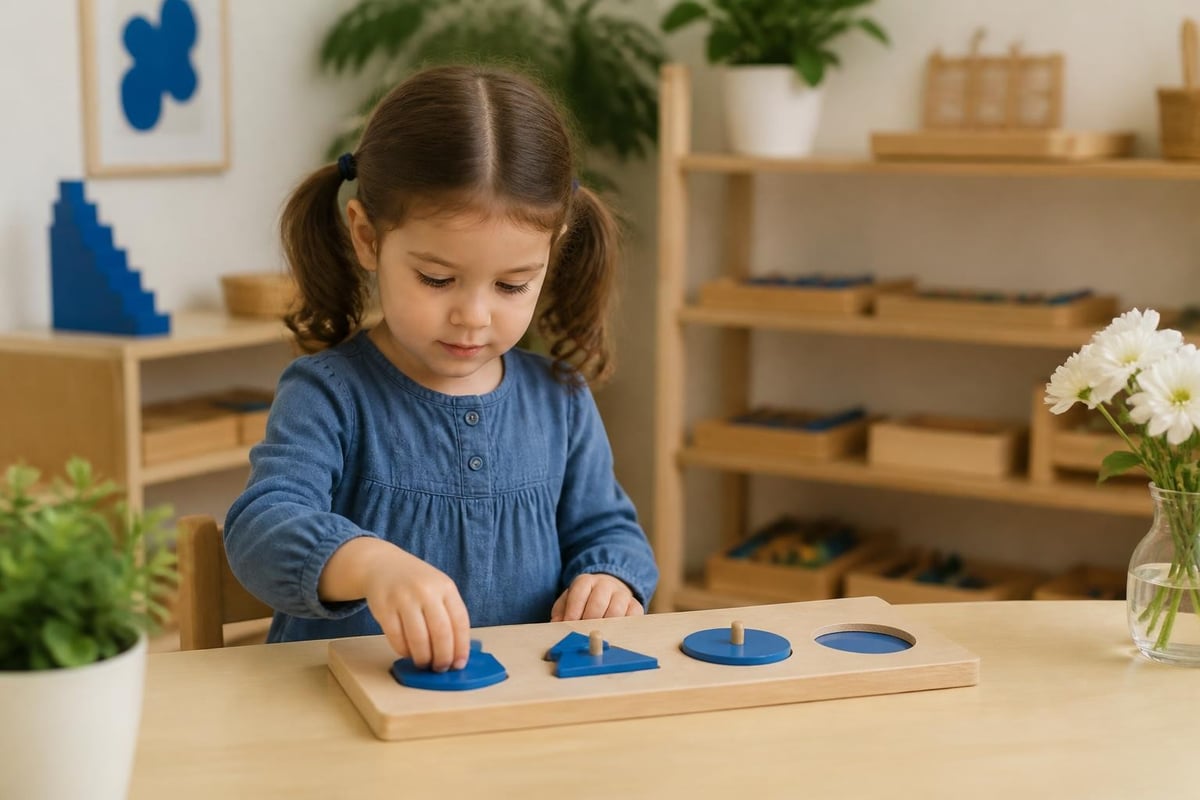
Age-Appropriate Materials to Shop Montessori Style
Choosing the right materials for your child's age ensures they'll be both challenged and successful. Montessori materials are carefully sequenced to build skills progressively.
Birth to 12 Months
Infants benefit from simple sensory materials that help them understand their world through touch, sight, and sound.
Top materials for this age:
- Wooden rattles with different shapes and textures
- High-contrast mobiles that encourage visual tracking
- Fabric balls that are easy to grasp and mouth safely
- Treasure baskets filled with natural objects
- Interlocking discs that develop hand-eye coordination
When you shop Montessori items for babies, prioritize safety and simplicity. Avoid anything with small parts or toxic finishes.
12 to 24 Months
Toddlers are developing independence and fine motor skills rapidly during this stage. They need materials that support their growing abilities.
| Material Type | Skills Developed | Example |
|---|---|---|
| Shape sorters | Problem-solving, hand-eye coordination | Wooden geometric puzzles |
| Stacking toys | Spatial reasoning, order | Rainbow stacker rings |
| Practical life tools | Independence, concentration | Child-sized cleaning tools |
| Musical instruments | Auditory processing, rhythm | Simple wooden xylophone |
2 to 3 Years
This age group thrives on practical life activities that mirror real adult tasks. They're building concentration and coordination simultaneously.
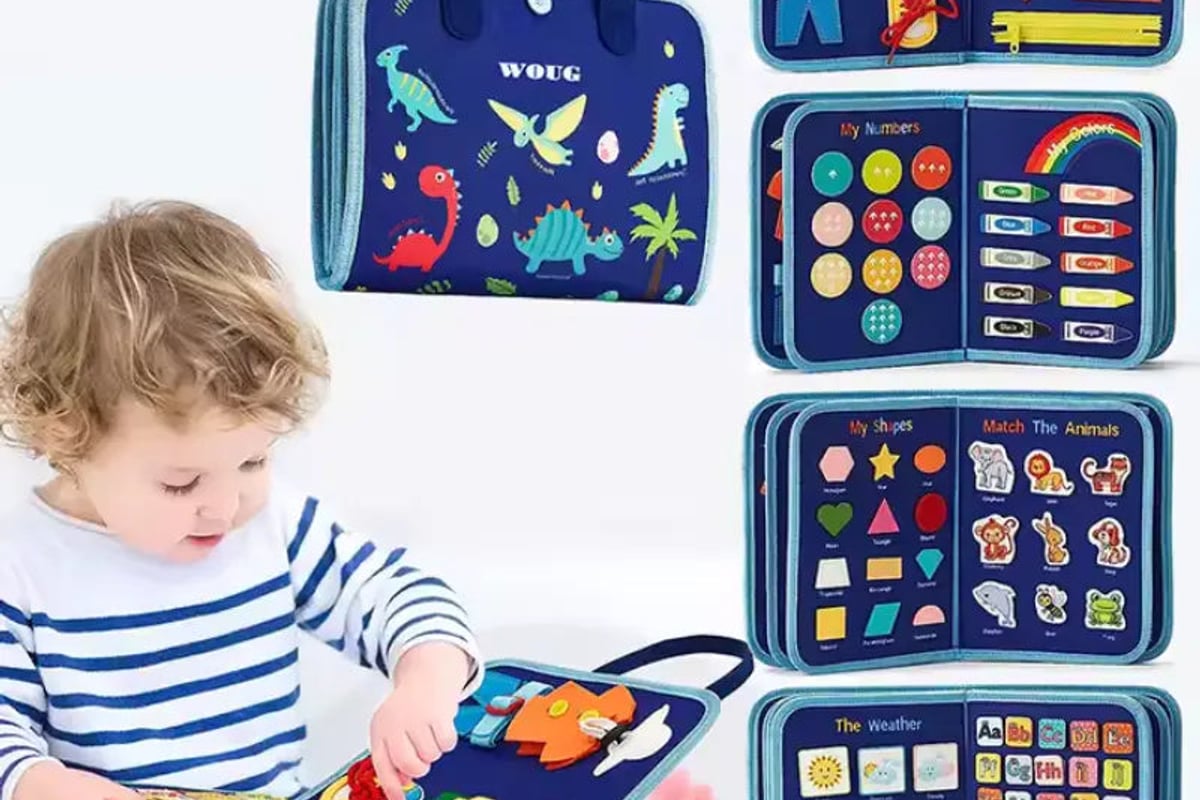
For parents who want to shop Montessori materials that truly engage toddlers, practical life activities offer the most value. These include pouring activities, simple food preparation tools, and dressing frames with buttons, zippers, and buckles. The Montessori Busy Board offers multiple practical life skills in one engaging tool, featuring interactive switches, buckles, zippers, and buttons that help develop fine motor skills and independence.
3 to 6 Years
Preschoolers are ready for more complex materials that introduce academic concepts through concrete manipulation.
Essential materials include:
- Sandpaper letters for tactile letter learning
- Number rods that make math concepts visible
- Pink tower for size discrimination
- Botany puzzles introducing science concepts
- Moveable alphabet for early writing
Where to Shop Montessori Materials
Finding quality Montessori materials requires knowing where to look and what to prioritize. Not all retailers understand the authentic Montessori approach.
Online Specialty Retailers
Online stores dedicated to Montessori education typically offer the most authentic materials. They often provide detailed descriptions explaining each material's educational purpose.
When you shop Montessori products online, read descriptions carefully. Look for materials that specify which skills they develop and what age range they suit. Check if the retailer explains how to present the material to your child. Many quality online retailers also share the educational philosophy behind their selections at KIDZEEHUB, making it easier for parents to understand what they're buying.
Montessori School Suppliers
Some suppliers that sell to Montessori schools also sell to families. These sources often have the most authentic materials but may be pricier.
Benefits of school suppliers:
- Highest quality construction
- Exact specifications from Montessori training
- Durable enough for classroom use
- Comprehensive material sets available
- Expert customer service
General Educational Toy Stores
Many mainstream educational toy retailers now carry Montessori-inspired products. Quality varies significantly.
When you shop Montessori materials from general retailers, scrutinize each item carefully. Ask yourself if it's truly self-correcting, made from natural materials, and focused on one concept. Many products marketed as Montessori don't meet these criteria.
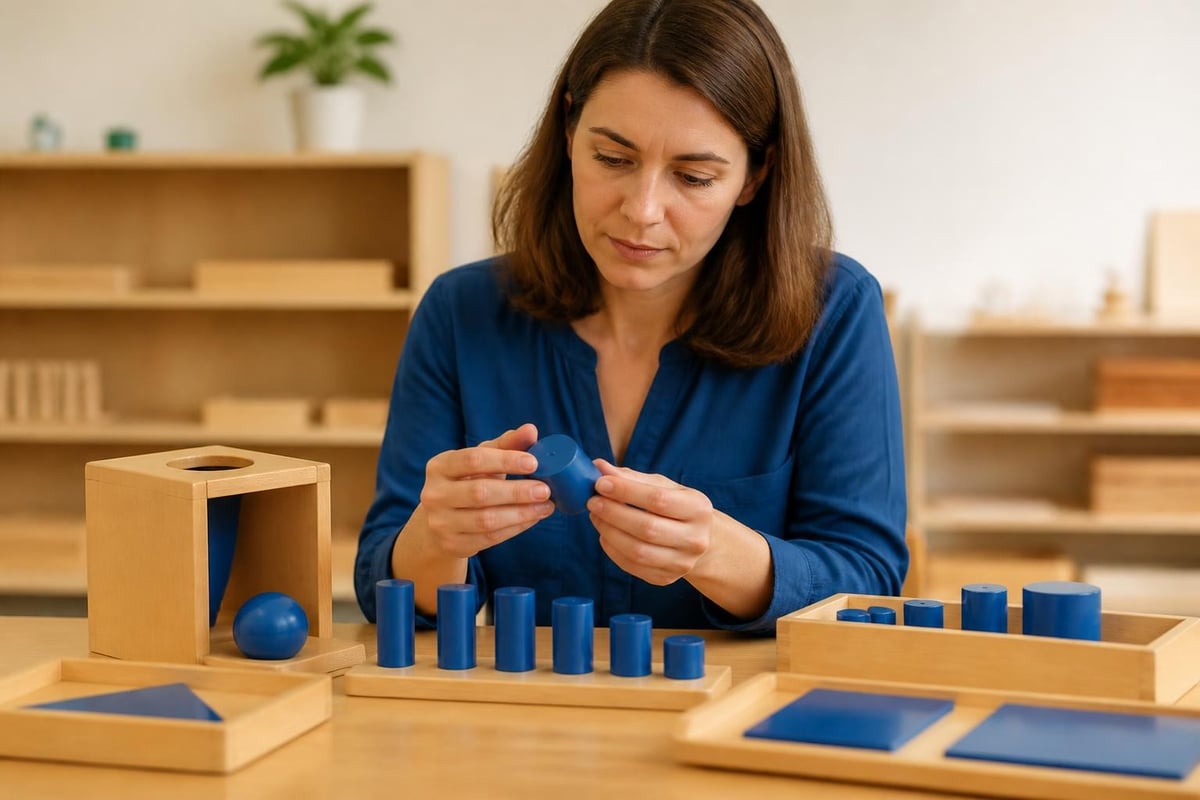
What to Look for When You Shop Montessori Products
Quality indicators help you distinguish authentic Montessori materials from products that simply use the name for marketing.
Material Construction and Safety
Authentic Montessori materials prioritize natural substances and safe construction. Wood should be smooth and well-finished without sharp edges.
Safety checklist:
- Non-toxic finishes and paints
- Solid construction without loose parts
- Age-appropriate sizing
- No choking hazards for younger children
- Stability for items like towers and stairs
The American Montessori Society outlines benefits that come from properly designed materials, emphasizing safety and developmental appropriateness.
Educational Value and Purpose
Every Montessori material should have a clear educational objective. Before you shop Montessori items, consider what skill or concept each teaches.
| Question | Why It Matters |
|---|---|
| What specific skill does this develop? | Ensures purposeful play |
| Can my child self-correct mistakes? | Builds independence |
| Does it isolate one concept? | Prevents overwhelm |
| Is it appropriate for my child's stage? | Maintains interest and success |
| Does it prepare for future learning? | Creates logical progression |
Longevity and Versatility
Quality Montessori materials grow with your child or can be used by multiple children over time. This makes them worthwhile investments.
When you shop Montessori toys and materials, consider whether they'll remain relevant as skills develop. Some materials serve multiple purposes across different ages.
Common Mistakes When Shopping for Montessori Materials
Even well-intentioned parents make errors when selecting Montessori products. Awareness helps you avoid these pitfalls.
Buying Too Much Too Soon
One of the biggest mistakes is overwhelming children with too many materials simultaneously. Montessori environments are carefully curated, not cluttered.
Better approach:
- Start with 3-5 materials in one area of learning
- Rotate materials as your child masters skills
- Observe which materials engage your child most
- Add new materials gradually based on interest
- Store unused materials out of sight
Choosing Plastic Over Natural Materials
Budget constraints tempt many parents toward plastic versions of Montessori materials. This compromises the sensory learning experience that makes Montessori so effective.
Natural materials provide authentic sensory feedback. Wood has weight, texture, and warmth that plastic cannot replicate. When you shop Montessori products, investing in fewer high-quality natural items beats having many plastic alternatives.
Ignoring the Prepared Environment
Materials alone don't create Montessori learning. The environment matters tremendously. You can explore more about educational toys and proper environment setup to maximize learning outcomes.
Environmental considerations:
- Child-height shelving for independent access
- Organized presentation of materials
- Uncluttered, calm spaces
- Natural lighting when possible
- Beauty and order in arrangement
Budget-Friendly Ways to Shop Montessori
Authentic Montessori materials can be expensive, but families can create rich learning environments without breaking the bank.
DIY Montessori Materials
Many Montessori materials can be created at home with simple supplies. Practical life activities especially lend themselves to DIY approaches.
Easy homemade materials:
- Transfer activities using household containers
- Color sorting with painted stones
- Lacing cards from cardboard
- Sensory bottles from water bottles
- Matching games with family photos
Buying Secondhand
Montessori materials are built to last, making the secondhand market excellent for budget-conscious families.
When you shop Montessori materials secondhand, inspect items carefully for completeness and damage. Many Montessori families sell materials as their children outgrow them.
Prioritizing Core Materials
Focus on materials that offer the most educational value rather than trying to replicate an entire classroom.
Highest priority materials:
- Practical life tools (real child-sized items)
- Sensorial materials (pink tower, color tablets)
- Language materials (sandpaper letters, moveable alphabet)
- Math materials (number rods, spindle box)
- Cultural materials (puzzle maps, botany cabinet)
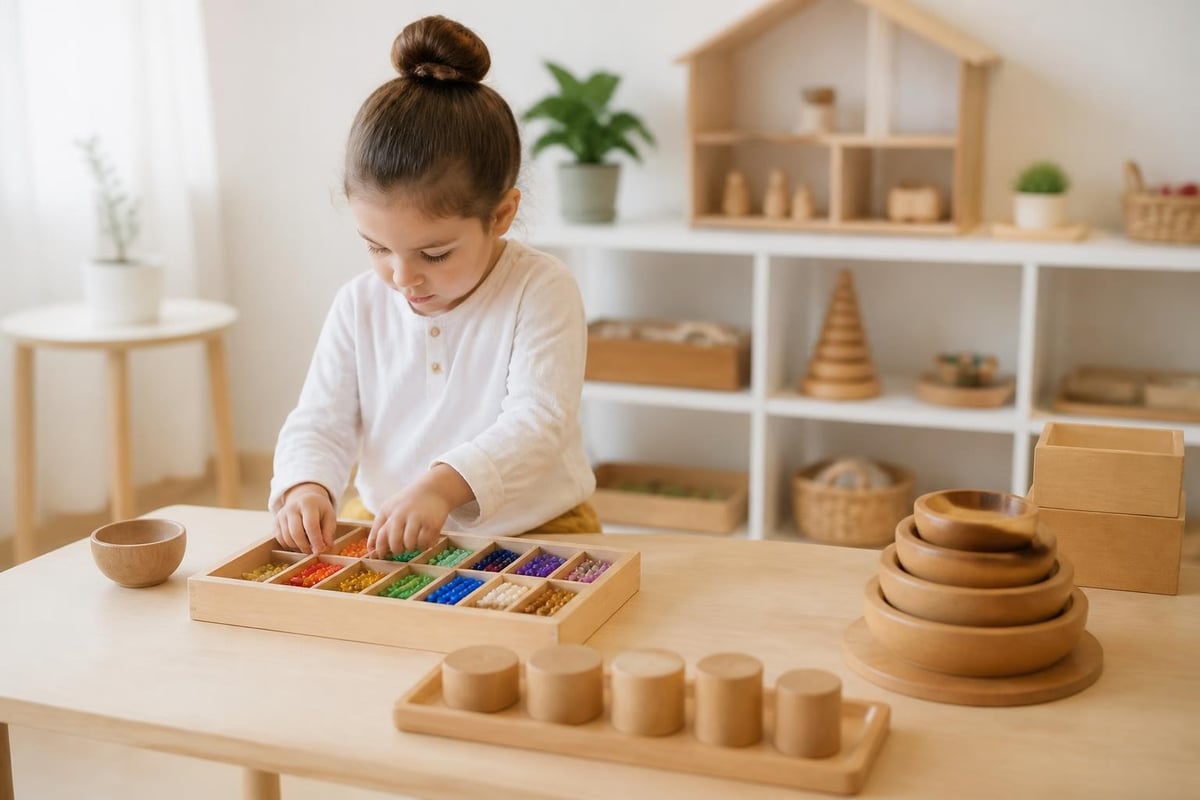
Understanding Montessori-Inspired vs Authentic
The marketplace includes both authentic Montessori materials and Montessori-inspired products. Understanding the difference helps you make informed choices.
What "Montessori-Inspired" Really Means
Montessori-inspired products borrow concepts from the Montessori method but don't meet all criteria for authentic materials. They may still offer educational value.
When you shop Montessori-inspired items, they might use Montessori colors or concepts but add electronic features, use plastic construction, or combine multiple concepts. These aren't necessarily bad choices, but they're not truly Montessori.
When Montessori-Inspired Works Fine
Some modern adaptations serve families well, especially for practical life activities or supplementary materials.
Acceptable adaptations include:
- Simplified versions for tight budgets
- Travel-friendly compact versions
- Updated designs for modern homes
- Complementary materials for specific interests
- Transitional items between Montessori stages
Maintaining Core Principles
Whether you shop Montessori authentic or inspired materials, maintain the core principles of independence, hands-on learning, and self-correction.
The principles of Montessori education emphasize respect for the child and the prepared environment above specific materials. Your approach matters more than having every traditional material.
Supporting Different Learning Areas
Montessori education divides learning into specific areas, each with dedicated materials. Understanding these categories helps you shop Montessori materials systematically.
Practical Life
This foundation area teaches children to care for themselves, others, and their environment. Skills range from pouring water to buttoning jackets.
Essential practical life materials:
- Child-sized cleaning tools (broom, dustpan, cloths)
- Pouring pitchers and containers
- Food preparation tools (safe knives, cutting boards)
- Dressing frames (buttons, zippers, snaps)
- Plant care supplies (watering can, spray bottle)
Sensorial Development
Sensorial materials refine children's perception and help them classify sensory impressions. These materials have precise educational purposes.
When you shop Montessori sensorial materials, look for items that isolate one sensory quality like color, size, weight, or texture. The pink tower teaches size discrimination. Color tablets develop color perception. Sound cylinders refine auditory discrimination.
Language Development
Montessori language materials make abstract concepts concrete through tactile and visual presentation. They follow a specific sequence from sound awareness to reading fluency.
| Material | Purpose | Age Range |
|---|---|---|
| Sandpaper letters | Letter recognition through touch | 3-5 years |
| Moveable alphabet | Building words without writing | 4-6 years |
| Metal insets | Pre-writing hand control | 3-5 years |
| Object boxes | Phonetic awareness | 3-4 years |
Mathematics
Math materials make abstract numbers concrete and visible. Children can literally see and touch quantities.
The benefits of Montessori education include strong math foundations built through manipulative materials. When you shop Montessori math materials, ensure they follow the progression from concrete to abstract understanding.
Cultural Studies
Geography, science, history, art, and music fall under cultural studies. These materials connect children to the wider world.
Popular cultural materials:
- Puzzle maps (continents, countries, states)
- Land and water forms
- Botany and zoology cards
- Timeline materials
- Musical instruments from different cultures
Creating a Montessori Home Environment
Shopping for materials is just one part of bringing Montessori home. The environment and your approach complete the picture.
Setting Up Learning Spaces
Dedicate specific areas in your home for different types of activities. This doesn't require a playroom; even small corners work beautifully.
Space setup principles:
- Use low, open shelving for material display
- Rotate materials to maintain interest
- Create order with baskets and trays
- Include child-sized furniture
- Ensure good lighting and ventilation
Following the Child
The Montessori principle of "following the child" means observing your child's interests and developmental needs. This guides what you shop Montessori materials for next.
Watch which materials your child chooses repeatedly. Notice emerging skills and interests. Let observation guide your purchasing rather than buying materials because they look educational.
Establishing Routines
Montessori thrives on consistent routines that help children feel secure and know what to expect. Routines support independence.
When you shop Montessori materials, consider how they fit into daily routines. Practical life materials naturally integrate into morning, mealtime, and bedtime routines.
FAQ About Shopping for Montessori Materials
How much should I spend when I shop Montessori materials for a toddler?
Start with $100-300 for essential materials across practical life and sensorial areas. Quality matters more than quantity. You can expand your collection gradually as your child masters skills and shows new interests.
Are expensive wooden toys always better than affordable plastic versions?
Not always, but natural materials provide superior sensory experiences central to Montessori learning. If budget is tight, prioritize natural materials for core sensorial items and accept quality plastic for supplementary materials. Better to have fewer authentic materials than many plastic substitutes.
Can I shop Montessori materials from regular toy stores?
Yes, but choose carefully. Look for toys made from natural materials, with single-concept focus, and self-correcting design. Many regular toy stores now carry quality wooden toys that align with Montessori principles even if not specifically marketed as such.
What's the most important thing to consider when shopping for Montessori toys?
Educational purpose should guide every purchase. Ask yourself what specific skill or concept the material teaches. If you can't identify a clear learning objective, it's probably not truly Montessori regardless of marketing claims.
How do I know if a product labeled "Montessori" is authentic?
Check for natural materials, self-correcting design, single-concept focus, and aesthetic simplicity. Read product descriptions carefully and research the manufacturer's understanding of Montessori principles. The fundamentals of Montessori education can help you evaluate authenticity.
Should I buy a complete Montessori curriculum or individual materials?
For home use, individual materials work better. Complete curricula are designed for trained teachers in classroom settings. Focus on materials that match your child's current developmental stage and interests.
At what age should I start shopping for Montessori materials?
You can introduce Montessori principles from birth with simple mobiles and sensory materials. However, the 12-36 month period is when most families begin actively collecting Montessori materials as children become mobile and interested in purposeful work.
How many materials should be available to my child at once?
Display 8-12 materials at a time on accessible shelving. Too many choices overwhelm children. Rotate materials weekly or monthly based on your child's interest and mastery. Store unused materials out of sight.
Shopping for Montessori materials becomes easier once you understand the core principles of child-led learning, natural materials, and purposeful design. Whether you choose authentic classroom-quality materials or thoughtfully selected Montessori-inspired alternatives, your focus on independence, hands-on learning, and respect for your child's development matters most. Explore the carefully curated collection at KIDZEEHUB to find educational toys that support screen-free learning, creativity, and developmental milestones through the Montessori approach.


