


Learning doesn't have to involve screens to be engaging and effective. For parents seeking alternatives to tablets and smartphones, talking flash cards offer a powerful way to build vocabulary, improve pronunciation, and support early language development. These interactive learning tools combine visual images with audio feedback, creating a multisensory experience that helps young children connect words with meanings. Whether you're introducing first words to a toddler or expanding a preschooler's vocabulary, these cards provide hands-on learning that fits perfectly into daily routines without adding more screen time to your child's day.
What Makes Talking Flash Cards Different From Traditional Cards
Traditional flash cards have been helping children learn for generations, but talking flash cards take this classic tool to the next level. The audio component transforms passive viewing into active listening and speaking practice.
The Audio Learning Advantage
When children hear words pronounced correctly, they develop better language skills faster. Talking flash cards use built-in speakers or audio devices to say words clearly, helping toddlers learn proper pronunciation from the start. This immediate auditory feedback reinforces visual learning and creates stronger memory connections.
Research shows that multisensory learning experiences help children retain information more effectively. By combining sight, sound, and touch, talking flash cards enhance engagement and improve recall compared to single-sensory learning methods.
Independent Learning Opportunities
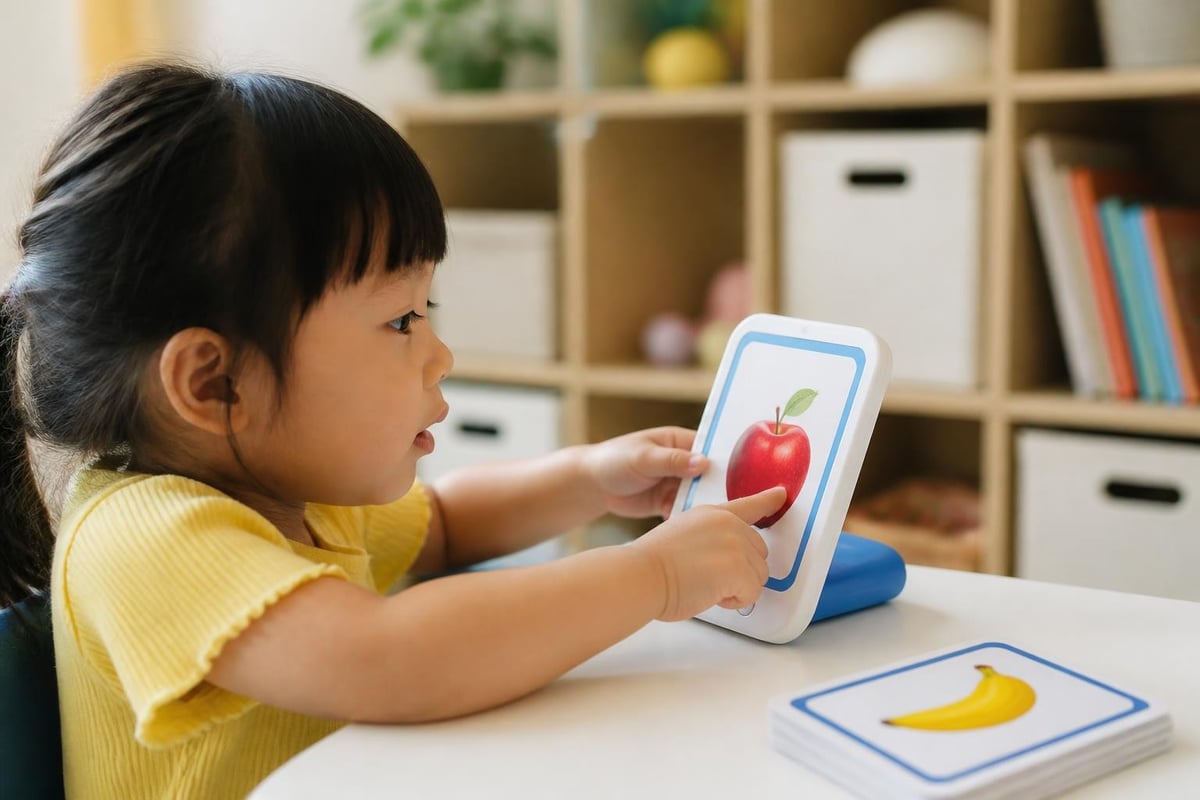
One of the best features of talking flash cards is that children can use them independently. Once a toddler understands how to activate the audio, they can practice vocabulary without constant adult supervision. This builds confidence and encourages self-directed learning, both important aspects of Montessori education.
Parents appreciate having educational tools that keep children engaged during quiet time, car rides, or waiting rooms. The portability and ease of use make these cards practical for busy families.
Key Benefits for Language Development and Cognitive Growth
Talking flash cards aren't just about memorizing words. They support multiple areas of development that contribute to school readiness and lifelong learning skills.
Vocabulary Expansion Through Repetition
Young children need to hear new words multiple times before they truly understand and remember them. Talking flash cards serve as screen-free audio learning tools that encourage repeated listening without parent fatigue. Children can replay words as many times as needed, building familiarity at their own pace.
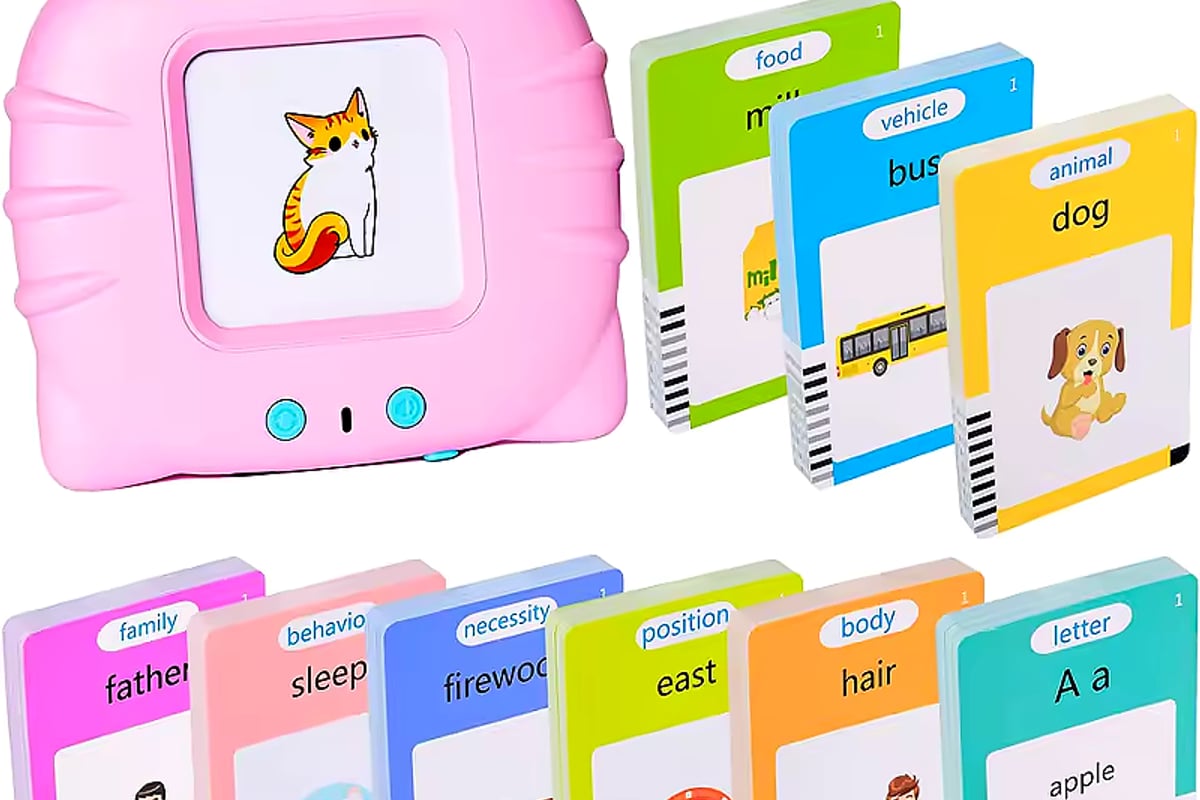
The best talking flash cards cover diverse topics:
- Everyday objects (foods, animals, vehicles)
- Colors, shapes, and numbers
- Action words and simple phrases
- Alphabet letters and phonics sounds
- Emotions and social concepts
This variety exposes children to a broad vocabulary foundation that supports reading comprehension later.
Pronunciation and Phonics Skills
Hearing correct pronunciation helps children develop clear speech patterns. Many talking flash cards include phonics features that break down letter sounds, teaching children the building blocks of reading. This audio support is especially valuable for:
- Children learning English as a second language
- Toddlers working on speech clarity
- Preschoolers preparing for kindergarten
- Children with different learning styles who benefit from auditory input
Parents who want to support early literacy development find that consistent use of talking flash cards strengthens phonemic awareness naturally.
Memory and Concentration Development
Using talking flash cards requires children to focus, listen carefully, and remember information. These cognitive exercises strengthen working memory and attention span. The interactive nature keeps children engaged longer than passive activities, building concentration skills that transfer to other learning situations.
| Developmental Area | How Talking Flash Cards Help | Age Range |
|---|---|---|
| Vocabulary | Introduces 50-200+ new words through audio repetition | 2-6 years |
| Pronunciation | Models correct speech patterns and phonics sounds | 2-5 years |
| Memory | Reinforces word-image connections through practice | 2-6 years |
| Independence | Allows self-directed learning without screens | 3-6 years |
| Fine Motor Skills | Requires card handling and button pressing | 2-4 years |
Choosing the Right Talking Flash Cards for Your Child
Not all talking flash cards are created equal. Understanding what to look for helps parents make informed decisions that match their child's developmental stage and interests.
Age-Appropriate Content and Design
The best talking flash cards match a child's current abilities while offering room for growth. For toddlers aged 18 months to 3 years, look for cards featuring:
- Large, clear images with simple backgrounds
- Common objects from daily life
- Durable, thick cardstock or laminated materials
- Easy-to-press buttons or touch-sensitive areas
- Volume control for different environments
Preschoolers aged 3 to 5 years benefit from more advanced sets that include categories, simple sentences, or early reading concepts. Understanding talking flash card machines and their features helps parents select options that will grow with their child.
Quality Audio and Clear Pronunciation
Listen to sample audio before purchasing if possible. The voice should be clear, friendly, and easy for young children to understand. Some sets offer multiple language options, which can be valuable for bilingual families or those introducing a second language early.
Audio quality matters more than you might think. Muffled or robotic voices make learning less enjoyable and can confuse children still developing language skills. Professional voice recordings create a better learning experience.
Battery Life and Durability
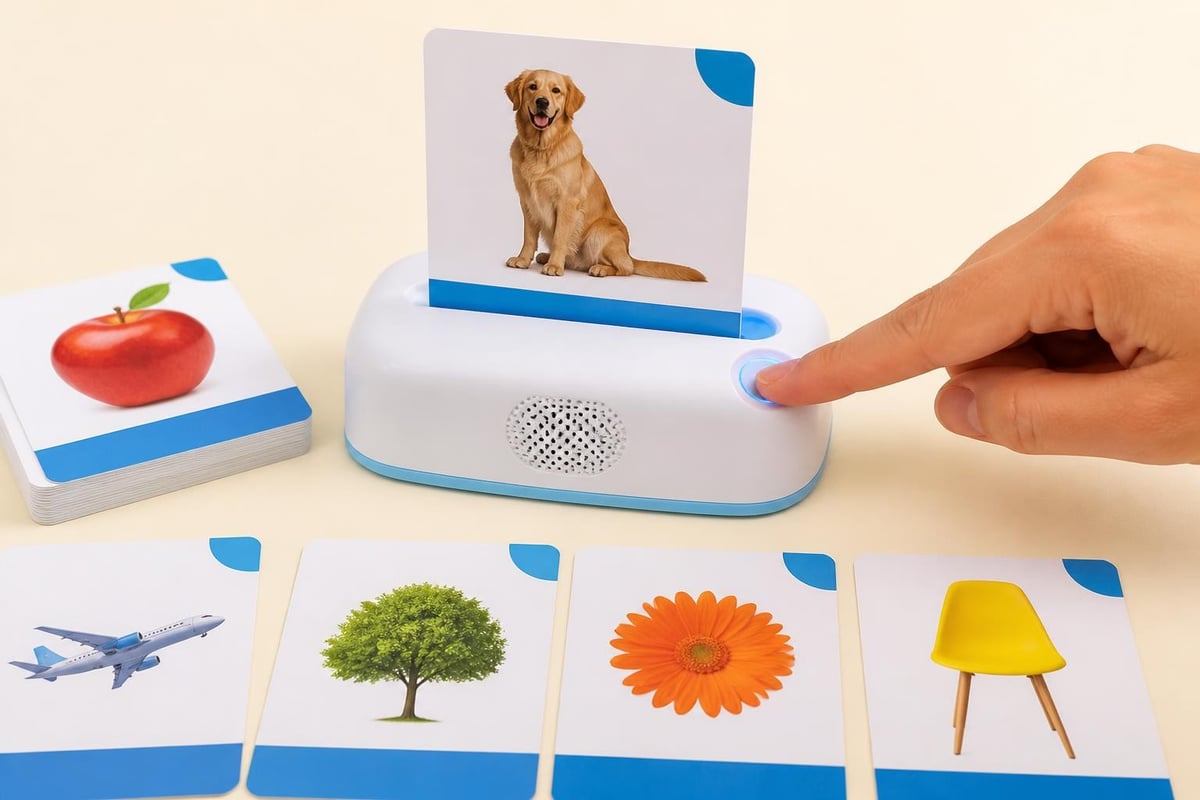
Since young children will handle these cards frequently, durability is essential. Look for:
- Water-resistant or washable materials
- Reinforced corners that resist bending
- Long battery life (or rechargeable options)
- Replacement card availability
- Warranty or satisfaction guarantee
Cards that come with a sturdy storage case help keep sets organized and protect the electronics from damage. This also teaches children responsibility for caring for their learning materials.
How to Use Talking Flash Cards Effectively at Home
Having great talking flash cards is just the beginning. How you incorporate them into daily routines determines how much your child benefits from this learning tool.
Creating a Consistent Learning Routine
Children thrive on predictability. Set aside specific times for flash card practice, such as:
- After breakfast as part of morning routine
- During afternoon quiet time
- Before bedtime as a calming activity
- During car rides or waiting times
- As a screen-free alternative when other children watch TV
Consistency helps children internalize new vocabulary more effectively than sporadic practice. Even 10-15 minutes daily produces better results than occasional longer sessions.
Making Learning Interactive and Fun
Avoid drilling children with flash cards in a rigid, test-like manner. Instead, turn learning into play. Try these engaging approaches:
Scavenger hunts: After practicing animal cards, help your child find stuffed animals or pictures of those animals around the house.
Story building: Use several cards to create silly stories together, incorporating the vocabulary words naturally.
Sorting games: Group cards by category, color, or first letter sound to add variety.
Memory matching: Use two sets to play traditional memory games with audio confirmation.
The Talking Flash Cards for Toddlers from KIDZEEHUB offer an excellent starting point for families new to audio learning tools. These cards cover essential vocabulary categories and feature clear, child-friendly audio that makes learning feel like playtime rather than work.
Tracking Progress and Celebrating Growth
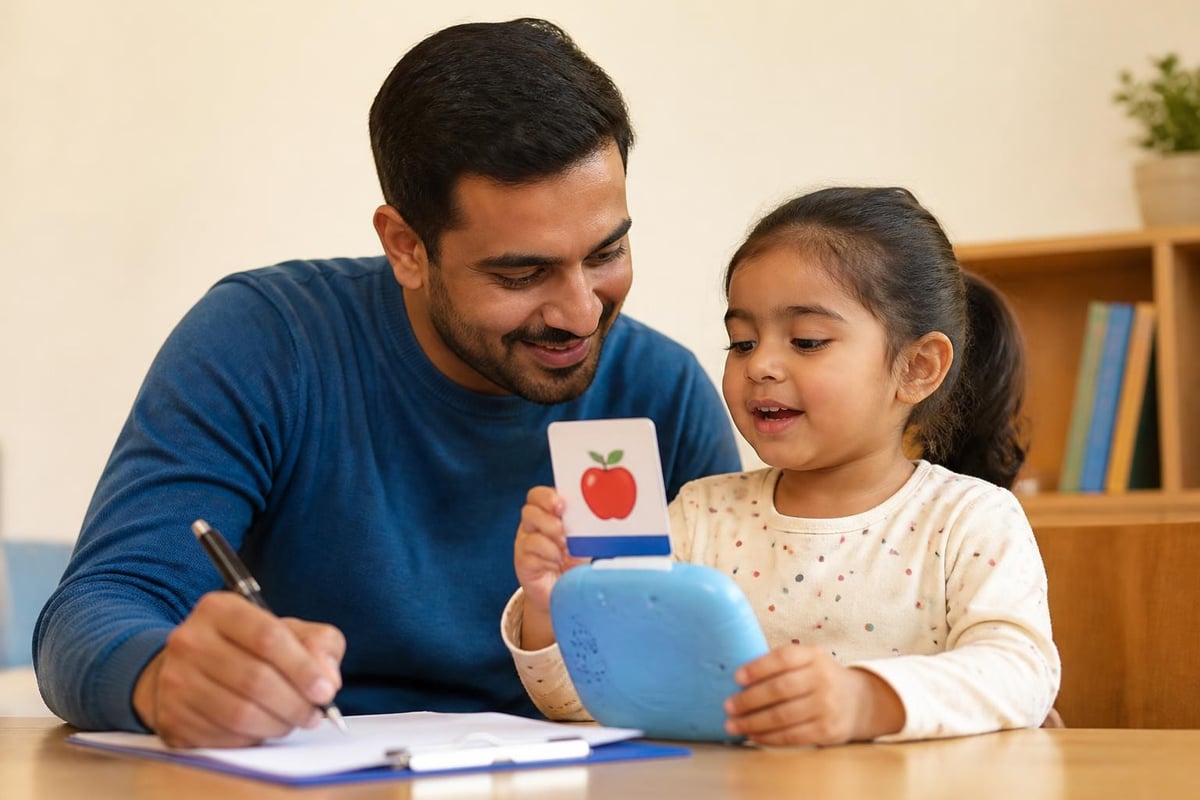
Pay attention to which words your child masters quickly and which require more practice. Keep a simple list or use a learning journal to note:
- New words learned each week
- Words your child can pronounce independently
- Favorite card categories
- Questions or connections your child makes
Celebrate milestones, whether it's mastering all animal names or using new vocabulary words in conversation. Positive reinforcement builds enthusiasm for continued learning.
Combining Talking Flash Cards With Other Learning Activities
Talking flash cards work best as part of a comprehensive learning environment rather than as a standalone tool. Integration with other activities reinforces vocabulary and makes learning more meaningful.
Pairing Cards With Real-World Experiences
When children encounter objects from their flash cards in real life, learning deepens significantly. If your child practices fruit vocabulary, visit a farmers market together. Point out apples, bananas, and strawberries, using the same words from the cards.
This connection between abstract learning and concrete experience helps children understand that words represent real things in their world. It also makes outings more educational without feeling forced or academic.
Complementing Montessori Materials
Talking flash cards align beautifully with Montessori principles of self-directed learning and multisensory education. Combine them with other Montessori toys and materials to create a rich learning environment:
- Use flash cards alongside matching objects (real fruits with fruit cards)
- Incorporate cards into practical life activities
- Add cards to themed learning baskets
- Use vocabulary from cards during outdoor exploration
- Connect letter cards with sandpaper letters or movable alphabets
This integrated approach helps children build comprehensive understanding rather than isolated facts.
Supporting Different Learning Styles
Every child learns differently. Talking flash cards primarily support auditory and visual learners, but you can adapt them for kinesthetic learners too:
- Act out action words from the cards
- Create movements or gestures for each vocabulary word
- Build or draw objects featured on cards
- Use cards during active games like Simon Says
- Incorporate cards into obstacle courses or movement activities
By adapting talking flash cards to your child's preferred learning style, you maximize their educational value.
Addressing Common Concerns About Talking Flash Cards
Parents often have questions about whether talking flash cards are right for their family. Understanding potential concerns helps you make confident decisions.
Screen-Free Doesn't Mean Technology-Free
Some parents worry that any electronic device contradicts screen-free parenting goals. However, talking flash cards use technology to enhance hands-on learning without the passive consumption associated with screens. The audio component serves a specific educational purpose rather than providing entertainment through visual stimulation.
Considerations about whether talking flash cards are right for your child depend more on your child's developmental readiness than on the presence of electronics. The interactive, self-directed nature of these cards aligns with educational goals rather than competing with them.
Balancing Guided and Independent Use
While talking flash cards support independent learning, young children still benefit from adult interaction. Balance supervised sessions where you discuss images and ask questions with independent practice time. This combination provides social learning opportunities while building autonomy.
During guided sessions, extend learning by:
- Asking "what" and "where" questions about card images
- Encouraging your child to use words in sentences
- Sharing additional information about topics
- Making personal connections to family experiences
- Playing turn-taking games with the cards
Managing Volume and Overstimulation
Some children find repetitive audio overwhelming, especially those with sensory sensitivities. Look for cards with adjustable volume or headphone jacks. Start with short practice sessions and gradually increase duration as your child builds tolerance.
If audio becomes irritating rather than helpful, take breaks. Learning should feel positive and engaging, not stressful or overstimulating.
Age-Specific Recommendations for Maximum Benefit
Different ages require different approaches to talking flash cards. Tailoring use to your child's developmental stage ensures appropriate challenge and engagement.
Toddlers (18 Months to 3 Years)
At this age, focus on basic vocabulary building and cause-and-effect understanding. Choose cards with:
- High-contrast, simple images
- Common objects from daily life
- Large buttons easy for small hands
- Single-word audio rather than phrases
- Sturdy construction for rough handling
Limit sessions to 5-10 minutes to match short attention spans. Repeat favorite cards frequently rather than introducing too many new words at once.
Preschoolers (3 to 5 Years)
Preschoolers can handle more complex content and longer practice sessions. Look for sets that include:
- Category groupings (animals, foods, vehicles)
- Simple phrases or sentences
- Question-and-answer formats
- Early phonics or alphabet sounds
- Multiple difficulty levels
Encourage preschoolers to explain what they see on cards, use words in sentences, and make connections to other knowledge. This active processing deepens learning beyond simple memorization.
Early Elementary (5 to 7 Years)
While talking flash cards are often marketed to younger children, early readers benefit from phonics-focused sets and sight word cards with audio. These tools support:
- Reading fluency development
- Spelling practice with audio confirmation
- Vocabulary expansion in specific subjects
- Foreign language introduction
- Independent study skills
At this age, children can use talking flash cards more analytically, sorting by patterns, creating their own games, or teaching younger siblings.
Maximizing Long-Term Value and Educational Impact
Talking flash cards represent an investment in your child's education. Getting the most from this purchase means thinking beyond initial use.
Rotating Card Sets to Maintain Interest
Even the best talking flash cards can become boring with constant use. Create rotation systems:
- Store some cards away and reintroduce them monthly
- Purchase expansion sets over time rather than all at once
- Trade cards with friends or family members
- Save advanced cards for when your child is ready
- Create seasonal rotations (holiday vocabulary, weather words)
Fresh content maintains enthusiasm and prevents learning plateaus.
Passing Cards to Younger Siblings or Sharing
Quality talking flash cards last through multiple children when properly cared for. Keep original packaging, replace batteries promptly, and store cards in protective cases. Many families find that older siblings enjoy "teaching" younger ones using cards they've mastered, reinforcing their own learning while bonding.
Consider donating outgrown cards to:
- Preschools or daycares
- Speech therapy programs
- Younger family members
- Community toy libraries
- Parent support groups
Tracking Educational Outcomes
| Learning Outcome | How to Measure | Timeframe |
|---|---|---|
| Vocabulary growth | Count new words used in conversation | Monthly |
| Pronunciation clarity | Record child speaking and compare over time | Quarterly |
| Independent play duration | Track how long child engages with cards alone | Weekly |
| Reading readiness | Note letter recognition and phonics understanding | Bi-monthly |
| Attention span | Observe focus time during card use | Monthly |
Documenting progress helps you understand whether talking flash cards effectively support your child's development and justify continued use or expansion of your collection.
Integrating Talking Flash Cards Into Daily Family Life
The most successful educational tools are those that fit naturally into family routines rather than requiring special setup or scheduling. Talking flash cards excel at this integration.
Creating Learning Stations at Home
Designate specific areas where talking flash cards live and where children can access them independently. Options include:
Morning station: Keep breakfast-time vocabulary cards near the kitchen table for learning during meals.
Quiet corner: Create a cozy reading nook with flash cards, books, and other quiet activities for afternoon rest time.
Travel kit: Maintain a separate set of cards in the car or diaper bag for on-the-go learning.
Bedtime basket: Include calming vocabulary cards (animals, nature, colors) in the bedtime routine.
These dedicated spaces signal to children when and where learning happens, creating positive associations with education.
Involving the Whole Family
Talking flash cards aren't just for the child using them. Older siblings can quiz younger ones, grandparents can practice during visits, and parents can incorporate vocabulary into everyday conversations. This family involvement shows children that learning is valued and supported by everyone.
Make flash card practice a family game night activity occasionally. Turn it into a competition, charades game, or team challenge that includes everyone. These shared experiences create positive memories around learning.
Connecting to Other KIDZEEHUB Learning Tools
KIDZEEHUB offers various educational toys that complement talking flash cards beautifully. Pairing audio vocabulary learning with hands-on Montessori busy boards creates a well-rounded learning environment. Children can hear words on flash cards and then practice fine motor skills with busy board activities, reinforcing different developmental areas simultaneously.
Similarly, combining flash card vocabulary practice with creative building and construction toys helps children use new words in context as they describe their creations.
Safety Considerations and Quality Standards
As with any children's product, safety should be a top priority when selecting talking flash cards. Understanding what to look for protects your child and ensures you're purchasing quality materials.
Material Safety and Certifications
Always verify that talking flash cards meet current safety standards:
- Non-toxic inks and materials
- BPA-free plastics in electronic components
- ASTM or CPSIA certification for toys
- Choking hazard warnings appropriate to age
- Smooth edges with no sharp corners
Reputable manufacturers clearly display safety certifications on packaging and product descriptions. Avoid products without this information or from unknown sellers.
Battery Safety for Electronic Components
Talking flash cards typically use button batteries or AA/AAA batteries. Button batteries pose serious risks if swallowed. Ensure:
- Battery compartments require tools to open
- Compartments are secured with screws
- Batteries are not accessible to children
- You replace batteries promptly when they weaken
- You dispose of old batteries safely
Teach older children never to put cards in their mouths and supervise younger toddlers during use.
Cleaning and Maintenance
Young children put everything in their mouths, and talking flash cards are no exception. Regular cleaning prevents germ buildup:
- Wipe cards with disinfectant wipes safe for electronics
- Avoid soaking cards or getting electronics wet
- Clean audio speakers gently with dry cloths
- Store cards in clean, dry locations
- Replace damaged cards that could pose safety risks
Proper maintenance extends the life of your investment while protecting your child's health.
Future Skills Built Through Early Audio Learning
The benefits of talking flash cards extend far beyond immediate vocabulary gains. These tools build foundational skills that support academic success throughout childhood.
Reading Readiness and Literacy Development
Children who develop strong oral vocabulary before kindergarten have significant advantages in learning to read. Talking flash cards build this foundation by:
- Expanding word knowledge across multiple topics
- Teaching phonemic awareness through letter sounds
- Connecting written and spoken words
- Building comprehension through image-word associations
- Encouraging love of learning and curiosity
These early literacy skills predict reading success in elementary school and beyond.
Confidence and Communication Skills
As children master new words and use them successfully in conversation, their confidence grows. This self-assurance encourages them to:
- Ask more questions about their world
- Express needs and feelings clearly
- Engage in social interactions with peers
- Participate actively in classroom discussions
- Tackle new learning challenges without fear
Communication skills developed through talking flash cards translate directly to social and academic success.
Self-Directed Learning Habits
Perhaps most importantly, talking flash cards teach children that they can learn independently. This discovery-that knowledge is accessible through their own effort-creates lifelong learners. Children who experience success with self-directed learning tools seek out new information, ask questions, and take ownership of their education.
These habits serve children well through every stage of education and into careers that require continuous learning and adaptation.
Talking flash cards offer families a practical, effective way to support language development and build school readiness through screen-free, interactive learning. From vocabulary expansion to pronunciation practice, these versatile tools adapt to your child's growing abilities while fostering independence and curiosity. Whether you're introducing first words or expanding a preschooler's language skills, talking flash cards create engaging learning moments that fit naturally into busy family life. Discover how KIDZEEHUB brings together the best in educational, Montessori-inspired learning tools that make every play session meaningful and developmentally beneficial for your little one.


