


Finding the right toys for boys can feel overwhelming with so many options on the market. Parents today want more than just entertainment - they're looking for toys that spark creativity, support learning, and keep kids engaged without screens. Whether you're shopping for a curious toddler, an energetic preschooler, or a school-aged child ready for bigger challenges, choosing educational toys for boys helps build critical skills while making playtime meaningful. This guide will walk you through the best options across different ages and developmental stages, focusing on Montessori-inspired learning, STEM exploration, and hands-on activities that grow with your child.
Understanding What Makes Great Toys for Boys
When selecting toys for boys, it's important to look beyond flashy packaging and trending characters. The best toys encourage open-ended play, where children can explore, create, and problem-solve on their own terms.
Developmental Benefits Matter Most
Quality toys for boys should support multiple areas of development simultaneously. Fine motor skills develop through building blocks and construction sets. Spatial reasoning improves with puzzles and engineering toys. Social-emotional learning happens during pretend play and cooperative games.
Educational toys serve a purpose beyond simple amusement. They challenge young minds to think critically, experiment with cause and effect, and develop persistence when facing obstacles.
Research shows that children learn best through active, hands-on experiences. Toys that require manipulation, building, or creative thinking engage multiple senses and help cement new concepts.
Age-Appropriate Selection Guidelines
- Toddlers (1-3 years) need toys with large pieces, simple mechanisms, and sensory variety
- Preschoolers (3-5 years) benefit from imaginative play items and basic problem-solving challenges
- Early elementary (5-7 years) thrive with more complex building sets and early STEM concepts
- Older kids (7-10 years) are ready for advanced construction, coding basics, and detailed projects
Parents should always check age recommendations on packaging, but also consider their individual child's abilities and interests. Some boys develop spatial skills earlier, while others excel in language-based or creative activities.
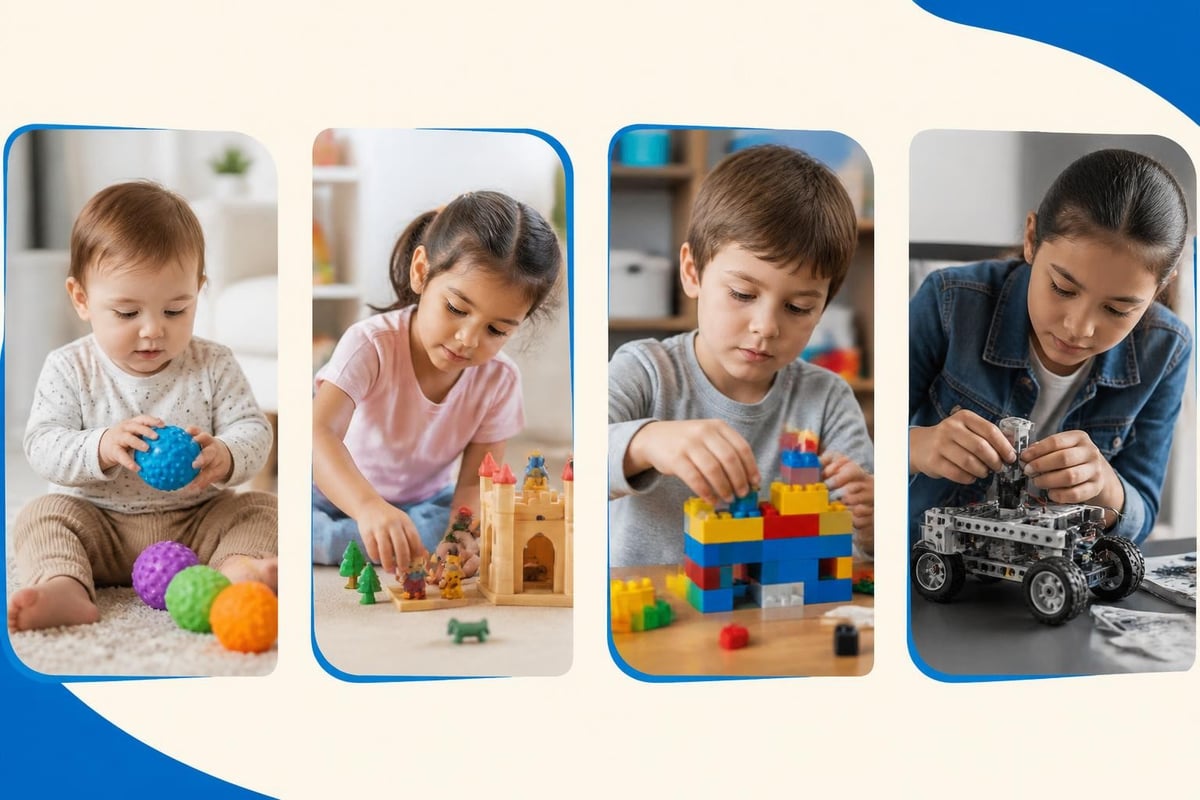
Top Categories of Toys for Boys by Learning Style
Every child learns differently, and the best toy collections include variety across multiple play patterns. Here are the main categories that support well-rounded development.
Construction and Building Toys
Building toys remain perennial favorites among boys who love to create, experiment, and see their ideas take physical form. These toys develop spatial reasoning, planning skills, and fine motor control.
Popular building options include:
- Classic wooden blocks in various shapes and sizes
- Magnetic tiles that stick together for 3D structures
- Engineering sets with gears, wheels, and moving parts
- Construction vehicle playsets with digging and building functions
- Advanced building systems for older children
The Makeblock collection of educational toys highlights how construction-based learning can progress from simple stacking to complex robotics projects. Starting with basic blocks and gradually introducing more sophisticated building challenges helps boys develop confidence in their engineering abilities.
STEM and Science Exploration
STEM toys for boys introduce fundamental concepts in science, technology, engineering, and mathematics through engaging, hands-on activities. These toys answer the constant "why" and "how" questions that curious minds ask.
| STEM Category | Skills Developed | Example Activities |
|---|---|---|
| Early Science | Observation, prediction, experimentation | Magnets, simple machines, nature exploration |
| Math Concepts | Counting, patterns, spatial relationships | Sorting games, shape puzzles, measurement tools |
| Technology | Cause and effect, basic coding | Simple robots, light-up circuits, interactive apps |
| Engineering | Problem-solving, design thinking | Building challenges, ramps and tracks, mechanical toys |
Science kits designed for young learners make abstract concepts concrete. When a boy builds a simple circuit and sees a light bulb glow, he's experiencing electricity in a tangible way that textbooks can't replicate.
Montessori-Inspired Learning Tools
Montessori toys emphasize self-directed learning, hands-on exploration, and real-world skills. These toys for boys typically use natural materials and encourage independence.
For toddlers and preschoolers, Montessori busy boards provide an excellent introduction to practical life skills. These boards feature real-world fasteners like zippers, buckles, buttons, and latches that children encounter in daily life. Working with these elements builds fine motor skills and hand-eye coordination while fostering independence.
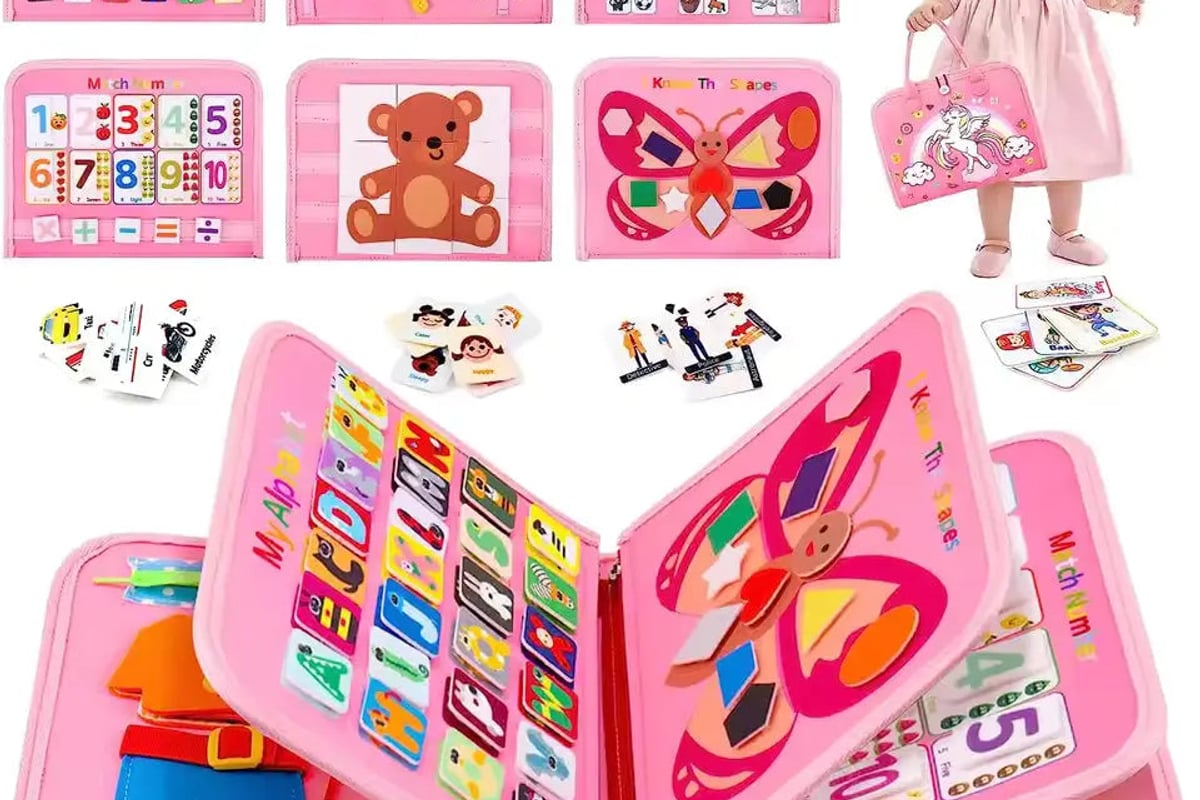
Key Montessori principles in toy selection:
- Choose toys made from natural materials like wood, metal, and fabric
- Look for realistic colors rather than bright, artificial hues
- Select items that isolate specific skills for focused practice
- Avoid electronic sounds and lights that over-stimulate
- Pick toys that grow with the child through multiple skill levels
Montessori-inspired toys for boys often focus on everyday activities - pouring, sorting, matching, and organizing. These might seem simple, but they build concentration, order, and self-confidence.
Active Play and Outdoor Adventures
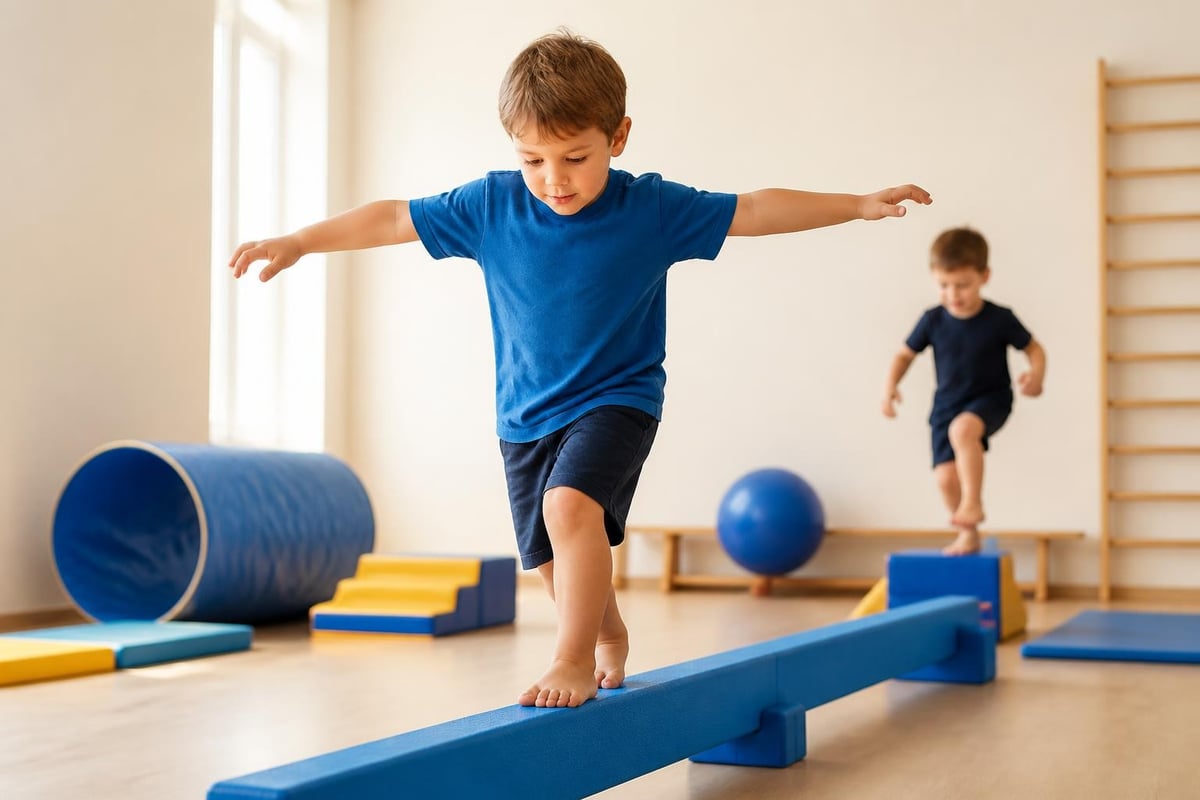
Physical activity remains crucial for boys' development, supporting gross motor skills, coordination, and healthy bodies. Active toys for boys encourage movement, balance, and spatial awareness.
Balance bikes have become increasingly popular as first ride-on toys. Unlike tricycles or bikes with training wheels, balance bikes teach children to steer and balance simultaneously, making the eventual transition to pedal bikes much smoother.
Other active play options include:
- Climbing structures for indoor or outdoor use
- Sports equipment sized for young children
- Ride-on vehicles and push toys
- Balls of various sizes and textures
- Obstacle course elements
Physical play also supports cognitive development. When boys climb, jump, and navigate physical challenges, they're building spatial reasoning and problem-solving skills alongside muscle strength.
Choosing Toys for Boys by Age Group
Selecting the right toys for boys becomes easier when you understand what skills develop at each stage. Here's a breakdown of the best options for different age ranges.
Best Toys for Toddler Boys (1-3 Years)
Toddlers are sensory explorers who learn through touching, manipulating, and experimenting with everything around them. Toys for boys in this age range should be safe, durable, and simple enough to avoid frustration.
Top toy types for toddlers:
- Shape sorters that teach spatial reasoning
- Stacking and nesting toys that introduce size concepts
- Push and pull toys that encourage walking and movement
- Simple puzzles with large, chunky pieces
- Musical instruments for sensory exploration
At this age, boys benefit from toys that respond to their actions in predictable ways. A shape sorter always accepts the right shape - this consistency helps toddlers understand cause and effect. Finding the right toys for three-year-old boys requires attention to both safety and developmental appropriateness.
Safety considerations are paramount for this age group. All pieces should be large enough to prevent choking hazards. Materials should be non-toxic and easy to clean since toddlers frequently mouth their toys.
Preschool Boys (3-5 Years) and Imaginative Play
Preschool years bring explosive growth in imagination and storytelling abilities. Toys for boys at this stage should support pretend play, role-playing, and creative expression.
Ideal preschool toy categories:
- Dress-up clothes and costume accessories
- Play vehicles including cars, trains, and construction equipment
- Action figures and playsets
- Art supplies for drawing, painting, and creating
- Simple board games that teach turn-taking
Pretend play helps boys process their experiences and emotions. A child playing with toy tools might be working through watching a parent fix something, or exploring what it means to be helpful and capable.
Open-ended toys that can be used in multiple ways offer the best value during preschool years. A set of wooden blocks might become a garage one day, a castle the next, and a bridge the day after that.
Elementary School Boys (5-10 Years)
As boys enter elementary school, their attention spans lengthen and they're ready for more complex challenges. Toys for boys in this age group often combine learning with sophisticated play patterns.
| Age Range | Cognitive Abilities | Best Toy Types |
|---|---|---|
| 5-6 years | Following multi-step instructions, basic reading | Simple construction sets, beginner board games, early science kits |
| 7-8 years | Logical thinking, planning ahead | Advanced building systems, strategy games, coding toys |
| 9-10 years | Abstract thinking, sustained projects | Robotics kits, complex puzzles, hobby-based collections |
The Forbes guide to toys for 6-year-old boys emphasizes the importance of challenge without overwhelming frustration. The best toys for boys in early elementary school should stretch their abilities while remaining achievable with effort and persistence.
STEM toys become increasingly sophisticated during these years. Boys might progress from simple gear sets to programmable robots, or from basic circuit boards to solar panel experiments.
Screen-Free Alternatives That Boys Actually Love
In 2026, parents are increasingly concerned about screen time and its effects on developing minds. Fortunately, many engaging toys for boys promote learning without any digital component.
Hands-On Building and Creating
Physical construction toys offer the same problem-solving challenges as digital games, but with tactile feedback and three-dimensional thinking. When boys build with their hands, they develop spatial skills that screens can't replicate.
Benefits of physical building toys:
- Develop fine motor control and hand strength
- Allow for immediate feedback and course correction
- Create lasting physical creations to display and share
- Support collaborative play with siblings and friends
- Require no batteries, charging, or Wi-Fi connection
Transforming toys add an extra element of excitement to physical play. The Collision Transforming Dragon/Dinosaur Car Toy combines movement, surprise, and imaginative play in one durable package. When the car encounters an obstacle, it automatically transforms into a dinosaur, creating an unexpected twist that keeps boys engaged and encourages creative storytelling. This type of toy demonstrates how traditional play can be just as exciting as any digital game, while building motor skills and spatial awareness through hands-on interaction.
Creative Arts and Crafts
Art materials give boys an outlet for self-expression that screens simply can't match. Drawing, sculpting, and creating allow children to bring their internal visions to life in concrete forms.
Open-ended art supplies work better than single-use craft kits. Basic materials like colored pencils, washable markers, modeling clay, and construction paper can be used in infinite ways across years of play.
Games That Build Social Skills
Board games and card games designed for young players teach valuable social skills including turn-taking, following rules, and handling both winning and losing gracefully. These are essential life skills that boys need practice to develop.
Cooperative games where players work together toward a common goal are particularly valuable. Instead of competing against each other, boys learn to communicate, strategize together, and celebrate shared victories.
Safety and Quality Considerations
When shopping for toys for boys, safety should always be the top priority. Even the most educational toy isn't worth the risk of injury.
Material Safety and Testing
- Look for toys that meet ASTM safety standards
- Choose BPA-free plastics and non-toxic paints
- Verify that small parts match age recommendations
- Select durable construction that won't break into sharp pieces
- Avoid toys with strong chemical smells
Walmart's learning toys section includes safety information for most products, making it easier to compare options. However, parents should always verify safety certifications independently.
Wood toys often provide superior safety compared to plastic alternatives. Natural wood doesn't contain the chemicals found in some plastics, and quality wooden toys rarely break into dangerous sharp edges.
Durability and Long-Term Value
The best toys for boys withstand rough play, multiple children, and years of use. While durable toys may cost more initially, they provide better value over time.
Signs of quality construction:
- Solid wood or thick, high-quality plastic
- Securely attached parts that don't wobble
- Smooth edges and surfaces
- Replaceable components for items that wear out
- Clear instructions and responsive customer service
Before purchasing, read reviews from other parents who've tested toys through actual play conditions. Real-world durability testing beats manufacturer claims every time.
Making Smart Purchasing Decisions
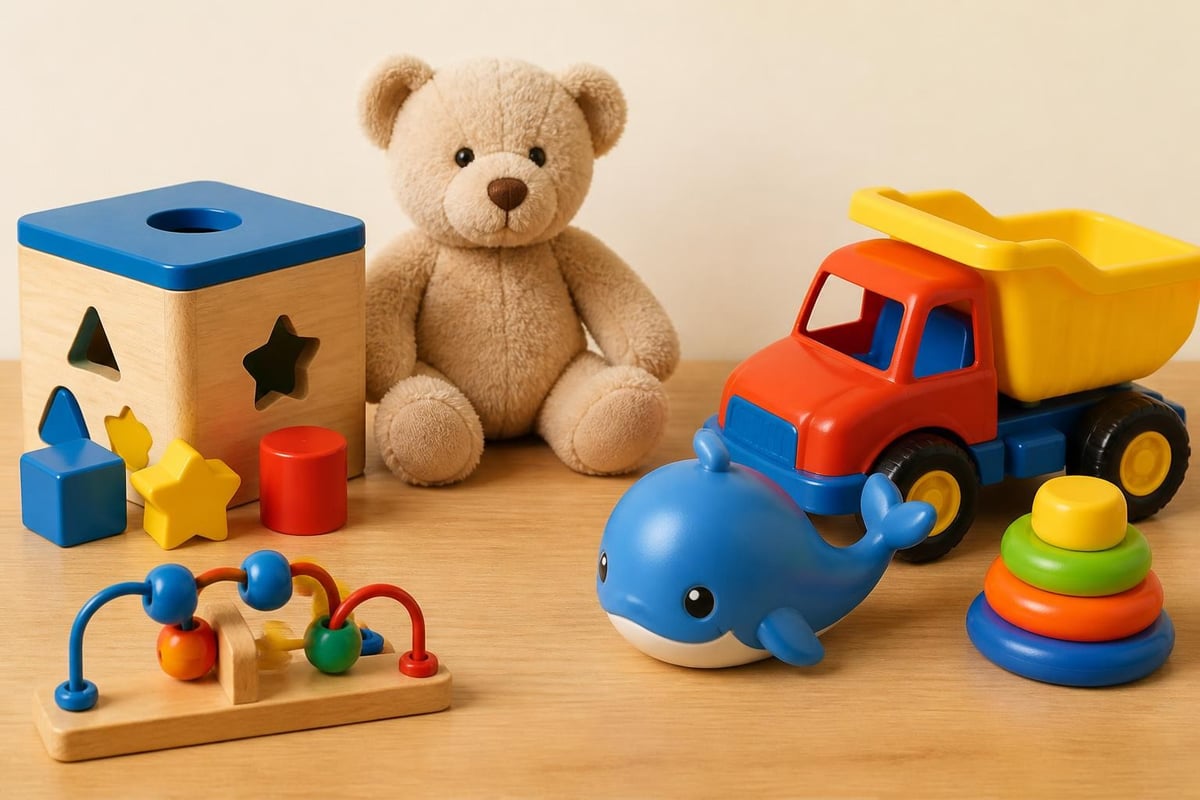
Finding the right toys for boys involves balancing educational value, entertainment, safety, and budget. Here's how to make choices you won't regret.
Quality Over Quantity
Fewer high-quality toys provide more learning value than shelves full of cheap items that break quickly. Boys benefit from deep engagement with well-designed toys more than superficial interaction with many mediocre options.
Consider the cost per play hour rather than the upfront price. A $40 construction set used for hundreds of hours over several years costs far less per use than a $10 toy that's abandoned after one day.
Building a Balanced Collection
A well-rounded toy collection for boys should include options across different play patterns:
- Building toys for spatial and engineering skills
- Creative materials for artistic expression
- Physical play items for gross motor development
- Games and puzzles for cognitive challenges
- Pretend play props for social-emotional learning
Rotating toys in and out of active play every few weeks keeps interest high without requiring constant new purchases. Store some toys away for a month, then bring them back out for renewed engagement.
Seasonal and Occasion-Based Shopping
Different times of year offer opportunities for specific types of toys for boys:
| Season/Occasion | Best Toy Types | Why They Work |
|---|---|---|
| Birthdays | Bigger-ticket items, multi-piece sets | Special occasions justify larger investments |
| Holidays | Themed toys, family games | Encourage shared family time |
| Start of school | Educational toys, organizational tools | Support learning routines |
| Summer | Outdoor toys, water play, active items | Make the most of longer days |
Planning purchases around natural rhythms helps spread costs throughout the year while matching toys to current needs and interests.
Supporting Learning Through Play
The most effective toys for boys don't feel like "learning tools" - they feel like pure fun. Yet the best educational toys seamlessly integrate skill-building into engaging play experiences.
Following Your Child's Interests
Pay attention to what captures your boy's attention naturally. Does he love vehicles? Construction toys and train sets might be perfect. Fascinated by animals? Science kits about habitats and life cycles could spark deep engagement.
When toys align with existing interests, children willingly spend more time playing, exploring, and learning. This sustained engagement builds deeper understanding than forced exposure to subjects that don't resonate.
Encouraging Open-Ended Exploration
Toys with one "right way" to play limit creativity. Open-ended toys for boys allow for multiple uses, creative combinations, and child-directed exploration.
Simple materials often provide the most open-ended play:
- Building blocks can become anything imaginable
- Art supplies support unlimited creative projects
- Natural materials like sticks and stones inspire outdoor adventures
- Cardboard boxes transform into forts, vehicles, or playhouses
- Fabric scraps become costumes, flags, or art materials
When adults resist the urge to direct play, boys develop independence, creativity, and problem-solving skills they'll use throughout life.
Creating a Play-Rich Environment
The environment surrounding toys for boys matters as much as the toys themselves. KIDZEEHUB understands that creating dedicated play spaces encourages deeper engagement and independent exploration.
Organize toys by category in accessible bins or shelves at child height. When boys can see and reach their toys independently, they're more likely to initiate play without adult prompting.
Limit the number of toys visible at once to prevent overwhelm. Too many choices actually discourage play as children become paralyzed by options.
The Role of Parents in Playtime
While independent play builds important skills, parent involvement adds layers of learning and connection that solo play can't replicate.
Playing Together vs. Independent Play
Both types of play serve important purposes for boys' development:
Independent play benefits:
- Builds self-reliance and confidence
- Encourages creative problem-solving
- Allows processing of emotions and experiences
- Develops sustained attention and focus
- Fosters intrinsic motivation
Parent-child play benefits:
- Strengthens emotional bonds and trust
- Provides scaffolding for challenging skills
- Models cooperation and communication
- Creates shared memories and inside jokes
- Offers windows into child's thinking
The ideal balance includes plenty of both types. Parents can initiate play together, then gradually step back as children become absorbed in their activities.
Asking Open-Ended Questions
When playing with toys for boys, the questions adults ask shape learning experiences. Instead of yes/no questions, try:
- "What do you think will happen if...?"
- "How could we solve this problem?"
- "Tell me about what you're building."
- "What else could we try?"
- "Why do you think that happened?"
These questions encourage boys to think deeply, articulate their reasoning, and consider multiple possibilities. The conversations that emerge during play often reveal more about children's understanding than formal testing ever could.
Where to Find Quality Educational Toys
Shopping for toys for boys has never been easier with both online and local options available. However, not all retailers offer the same quality or educational focus.
Online Specialty Retailers
Dedicated educational toy stores carefully curate their selections, offering higher-quality options than mass-market retailers. These stores often provide detailed descriptions of developmental benefits and age-appropriateness.
For parents seeking Montessori-inspired toys and educational options, specialized online stores offer expert curation and customer service from people who understand child development. Reading customer reviews provides insights into real-world durability and engagement levels.
Reading Reviews and Recommendations
Before purchasing toys for boys, invest time in research:
- Read multiple reviews from verified purchasers
- Watch video reviews showing toys in actual use
- Check independent testing results when available
- Ask other parents for recommendations
- Consider professional reviews from child development experts
Online communities of parents often share honest assessments of toys that go beyond marketing claims. These real experiences help avoid disappointing purchases.
Return Policies and Customer Service
Even with careful research, some toys won't click with your particular child. Before purchasing, verify:
- Return windows and conditions
- Whether opened toys can be returned
- Customer service responsiveness
- Warranty coverage for defects
- Replacement part availability
Understanding the return policy before buying reduces stress if a toy doesn't work out as expected. Reputable retailers stand behind their products and make exchanges easy.
Beyond Traditional Toys
While classic toys for boys remain valuable, several newer categories deserve attention from parents seeking educational play options.
Subscription Boxes for Ongoing Learning
Monthly subscription boxes deliver age-appropriate activities and toys directly to your door. These services often include:
- Themed learning projects
- All necessary materials and instructions
- Parent guides explaining developmental benefits
- Progressive difficulty as children grow
- Variety across STEM, art, and life skills
Subscriptions solve the problem of what to buy next and introduce families to toys they might not discover otherwise.
Experience-Based Gifts
Sometimes the best "toys" for boys aren't objects at all. Experiences create memories and skills that last far beyond any physical toy:
- Museum memberships for year-round learning
- Classes in art, music, or sports
- Nature center programs and camps
- Tickets to age-appropriate performances
- Family adventure passes
These experiences often complement physical toys beautifully. A boy fascinated by dinosaur toys might treasure a trip to a natural history museum even more.
Community Resources and Toy Libraries
Toy libraries allow families to borrow toys for boys just like books from a regular library. This approach offers several advantages:
- Try before buying expensive items
- Access high-quality toys without purchase price
- Reduce clutter at home
- Teach responsibility through borrowing and returning
- Provide variety without constant new purchases
Many communities also offer toy swaps where families exchange outgrown toys. These events benefit the environment while helping kids discover "new to them" options.
Addressing Common Concerns About Toys for Boys
Parents often worry about making the right choices when selecting toys. Here are answers to frequent concerns.
Are Gender-Specific Toys Necessary?
While this article focuses on toys for boys, the reality is that most educational toys benefit all children regardless of gender. Boys can absolutely enjoy dolls, kitchen sets, and art materials just as girls benefit from construction toys and science kits.
The phrase "toys for boys" reflects how parents search for gift ideas, but the best approach considers individual interests over gender assumptions. Some boys love quiet puzzles while others prefer active outdoor play - both are equally valid.
How Many Toys Does a Child Actually Need?
Research suggests that fewer toys lead to deeper, more creative play. When boys have too many options, they tend to flit between toys without sustained engagement.
A reasonable collection might include:
- One major building/construction system
- Art supplies for creative expression
- One active play item (bike, ball, climbing equipment)
- A few puzzles or games
- Materials for current interests
Quality matters far more than quantity. Twenty thoughtfully chosen toys provide more developmental value than a hundred random items.
Balancing Education and Fun
The best toys for boys don't require choosing between education and entertainment - they deliver both simultaneously. When a child is genuinely engaged and having fun, learning happens naturally without feeling like work.
Watch for toys that children return to repeatedly over weeks and months. That sustained interest indicates both enjoyment and meaningful learning happening through play.
Choosing the right toys for boys means looking beyond flashy packaging to focus on what truly supports development, creativity, and joyful learning. The best options encourage hands-on exploration, problem-solving, and screen-free engagement while matching your child's unique interests and developmental stage. Whether you're selecting building sets, STEM activities, Montessori materials, or active play equipment, prioritizing quality over quantity creates a play environment where boys can thrive. KIDZEEHUB specializes in carefully curated educational toys that make learning fun and meaningful, helping families across the USA discover play options that inspire confidence, curiosity, and lifelong growth. Explore our collection of Montessori-inspired, STEM-focused, and interactive toys designed to support your child's developmental journey.


