


Choosing the right toys for kindergarteners can feel overwhelming with so many options available today. Your child is at a magical stage where play becomes a powerful learning tool, building essential skills that will shape their future. The best toys for kindergarteners combine fun with purpose, supporting development in areas like problem-solving, creativity, motor skills, and social interaction. This guide will help you understand what makes certain toys stand out and how to select options that truly benefit your five or six-year-old child.
Why Kindergarten Is a Critical Stage for Toy Selection
Kindergarten marks a significant transition in your child's development. They're moving beyond simple exploration and starting to engage in more complex play patterns.
At this age, children develop foundational academic skills while refining their physical abilities and emotional intelligence. The toys they interact with daily should support this multifaceted growth. According to research on how play enhances learning, the right educational materials can significantly impact cognitive development during these formative years.
Developmental Milestones at Age Five and Six
Understanding where your kindergartener stands developmentally helps you choose appropriate toys:
- Fine Motor Skills: Children can manipulate smaller objects, use scissors, and write letters
- Gross Motor Skills: Running, jumping, balancing, and coordination improve dramatically
- Social Skills: Cooperative play becomes more important as they learn to share and take turns
- Cognitive Abilities: Problem-solving, counting, letter recognition, and pattern identification emerge
- Attention Span: Focus extends to 15-20 minutes on engaging activities
These milestones guide toy selection because the best toys for kindergarteners target multiple developmental areas simultaneously.
Educational Benefits of Well-Chosen Kindergarten Toys
Not all toys offer equal educational value. The most beneficial options engage children's minds while keeping playtime enjoyable.
STEM Learning Foundations
Science, technology, engineering, and math concepts become accessible through hands-on toys. Building sets, simple machines, and pattern games introduce logical thinking without feeling like formal instruction.
Literacy and Numeracy Skills
Toys that incorporate letters, numbers, and counting help reinforce what children learn in school. Interactive elements make practice feel like play rather than work.
Creative Expression
Art supplies, building materials, and open-ended toys allow kindergarteners to express themselves and develop original ideas. This creative foundation supports innovation throughout life.
Screen-Free Alternatives That Engage
In 2026, parents increasingly seek toys that reduce screen time. Physical toys offer tangible benefits that digital alternatives cannot replicate:
- Sensory Development: Touching, manipulating, and building with real objects engages multiple senses
- Physical Activity: Active play supports healthy bodies and burns energy productively
- Social Interaction: Playing together teaches communication and cooperation naturally
- Imagination: Without predetermined outcomes, children create their own narratives
At KIDZEEHUB, we focus on providing screen-free options that captivate children's attention through quality design and educational purpose.
Top Categories of Toys for Kindergarteners
Different toy categories serve different developmental purposes. A well-rounded toy collection includes variety.
Building and Construction Toys
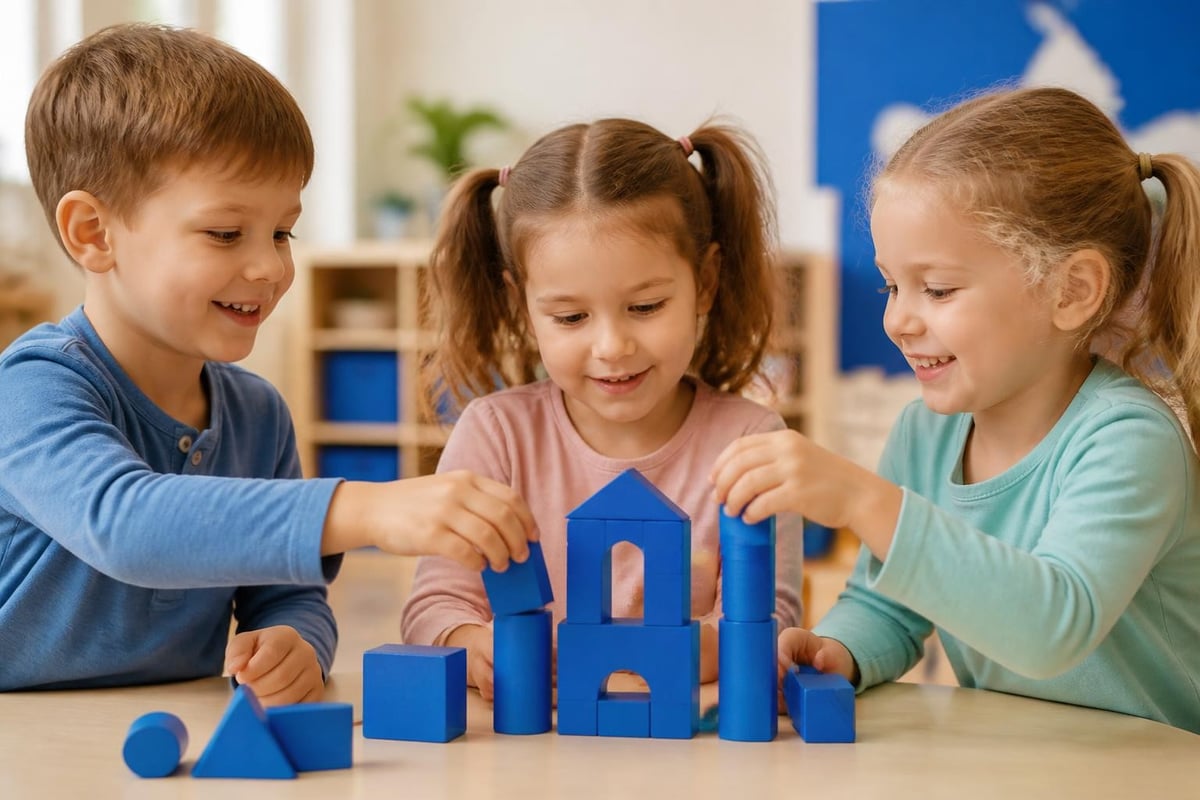
Building sets rank among the most valuable toys for kindergarteners because they support spatial reasoning, planning, and creativity.
Why They Work
Construction toys require children to visualize outcomes, solve problems when pieces don't fit as expected, and persist through challenges. These skills transfer directly to academic and life situations.
Best Options for This Age
- Magnetic building tiles that snap together easily
- Wooden block sets with various shapes and sizes
- Interlocking brick systems designed for small hands
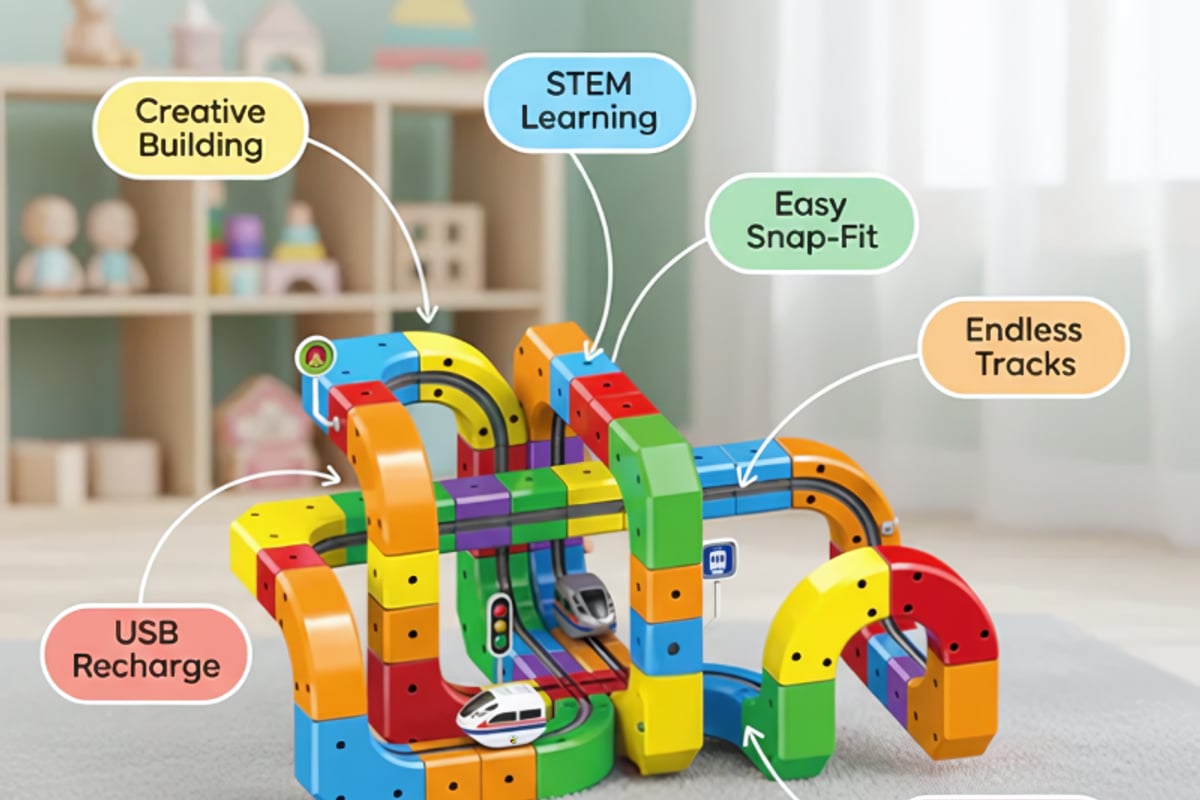
- Flexible track sets that encourage experimentation
The Magic Track Train Set for Kids exemplifies how construction play combines creativity with STEM learning, allowing children to design custom track layouts that develop problem-solving abilities while providing hours of engaging entertainment.
Montessori-Inspired Learning Toys
Montessori principles emphasize child-led learning through carefully designed materials. These toys for kindergarteners promote independence and concentration.
| Toy Type | Skills Developed | Why It Works |
|---|---|---|
| Sensory Boards | Fine motor skills, problem-solving | Children master real-world tasks like zippers and buckles |
| Pattern Games | Visual discrimination, logic | Recognizing and creating patterns builds math readiness |
| Practical Life Tools | Independence, coordination | Child-sized tools teach real skills safely |
| Sorting Activities | Classification, organization | Categorizing objects develops cognitive frameworks |
The Montessori approach respects children's natural curiosity and provides structured freedom to explore.
Art and Craft Supplies
Creative materials belong in every kindergartener's toy collection. They offer unlimited possibilities for self-expression.
Essential Art Supplies
- Washable markers, crayons, and colored pencils
- Child-safe scissors and glue sticks
- Construction paper in multiple colors
- Modeling clay or playdough
- Watercolor paints with large brushes
Art activities develop fine motor control while allowing emotional expression. They also teach children to plan projects and see them through to completion.
STEM and Science Toys
Kindergarteners naturally question how things work. STEM toys channel this curiosity into learning experiences.
Popular STEM Options
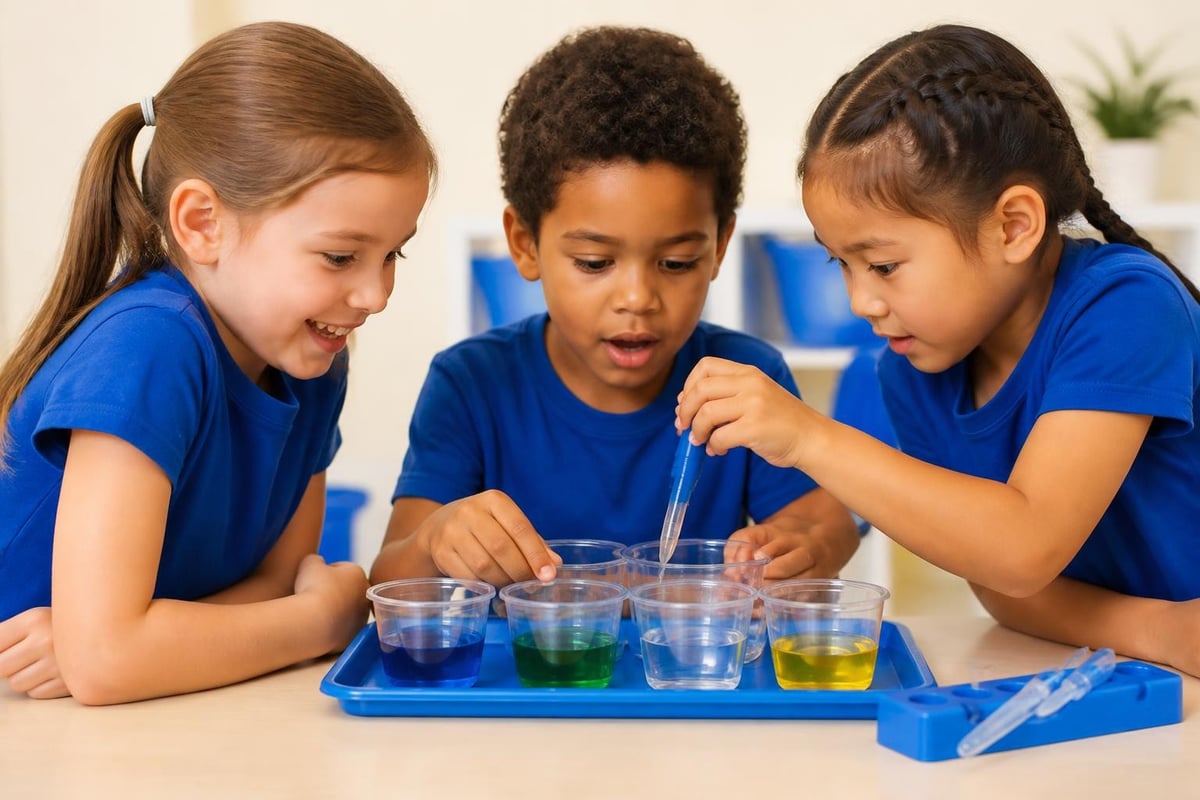
Simple machines, magnets, basic circuits, and nature exploration kits introduce scientific concepts through hands-on discovery. Experts recommend educational toys that balance entertainment with genuine learning opportunities.
The key is selecting age-appropriate complexity. Kindergarteners need toys that challenge without frustrating them.
Physical Activity Toys That Build Strength and Coordination
Active play remains crucial for kindergarten-age children. Toys that promote movement support healthy development.
Balance and Coordination Equipment
Balance toys help children develop core strength and body awareness:
- Balance bikes: Teach coordination without training wheels
- Balance boards: Build core strength through play
- Stepping stones: Create obstacle courses that challenge stability
- Jump ropes: Develop timing and rhythm
These toys make exercise fun rather than forced, establishing positive attitudes toward physical activity.
Outdoor Play Equipment
Outdoor toys encourage children to explore beyond indoor spaces:
- Sports equipment: Age-appropriate balls, bats, and goals
- Ride-on toys: Scooters, tricycles, and similar vehicles
- Garden tools: Child-sized equipment for digging and planting
- Nature exploration kits: Magnifying glasses, bug catchers, collection containers
Outdoor play supports vitamin D production, spatial awareness, and appreciation for nature.
Social and Emotional Development Through Play
The best toys for kindergarteners also nurture emotional intelligence and social skills.
Cooperative Games
Games that require teamwork teach valuable life lessons:
- Players work together toward common goals
- Children learn to communicate their ideas clearly
- Turn-taking becomes natural rather than forced
- Winning and losing matter less than participation
These experiences prepare children for collaborative environments throughout life.
Role-Play and Pretend Toys
Dramatic play helps children process their experiences and develop empathy.
Benefits of Pretend Play
When kindergarteners engage in role-play, they practice social scripts, explore different perspectives, and work through emotions safely. Dress-up clothes, play kitchens, tool sets, and doctor kits all support this development.
Research on open-ended toys and child development shows that materials without predetermined outcomes boost creativity and cognitive flexibility.
Safety Considerations for Kindergarten Toys
Safety remains the top priority when selecting toys for kindergarteners, even though they're past the toddler stage.
Age-Appropriate Design
Always check age recommendations on toy packaging. Toys designed for older children may contain:
- Small parts that present choking hazards
- Complex mechanisms that frustrate younger users
- Materials not tested for this age group
Kindergarten-appropriate toys meet specific safety standards for five and six-year-olds.
Quality and Durability
Investing in well-made toys provides better value and safety:
- Sturdy construction: Toys should withstand enthusiastic play
- Non-toxic materials: Look for safety certifications
- Smooth edges: No sharp points or rough surfaces
- Washable components: Easy cleaning maintains hygiene
Quality toys from trusted sources like KIDZEEHUB ensure you're getting products that meet rigorous safety standards.
How to Choose Toys That Grow With Your Child
The smartest toy purchases offer extended play value as children develop new skills.
Open-Ended Versus Single-Purpose Toys
Open-ended toys adapt to children's changing interests and abilities:
| Open-Ended Toys | Single-Purpose Toys |
|---|---|
| Building blocks, art supplies, dress-up clothes | Electronic games with fixed outcomes |
| Used differently as skills grow | Become boring once mastered |
| Encourage creativity and imagination | Limit creative input |
| Higher long-term value | May have shorter play lifespan |
Both types have their place, but open-ended options typically provide better developmental benefits for toys for kindergarteners.
Balancing Educational and Fun Elements
The most effective learning happens when children don't realize they're being educated. Look for toys that:
- Capture attention through engaging design
- Incorporate learning naturally into play
- Allow self-directed exploration
- Provide appropriate challenges
When fun and education merge seamlessly, children play longer and learn more.
Creating a Balanced Toy Collection
Your kindergartener doesn't need every toy available. A curated collection serves them better.
Essential Categories to Include
A well-rounded toy selection includes:
- Building toys: Blocks, construction sets, magnetic tiles
- Creative materials: Art supplies, craft kits, modeling materials
- Active play items: Balls, balance equipment, outdoor toys
- Puzzles and games: Age-appropriate challenges
- Books: Both picture books and early readers
- Pretend play items: Costumes, play sets, dolls
This variety ensures your child can choose activities matching their current mood and energy level.
Rotating Toys to Maintain Interest
Rather than overwhelming children with choices, consider toy rotation:
- Keep some toys accessible while storing others temporarily
- Rotate every few weeks to refresh interest
- Notice which toys your child gravitates toward
- Donate items that no longer engage your child
This approach keeps play fresh without constant new purchases.
Budget-Friendly Options for Quality Kindergarten Toys
Educational toys for kindergarteners don't require breaking the bank. Smart shopping stretches your budget further.
Multi-Use Items Provide Better Value
Consider cost per use rather than upfront price:
- Classic wooden blocks see years of play
- Quality art supplies last through many projects
- Durable outdoor equipment serves the whole family
- Games engage children repeatedly over time
Educational toy recommendations often emphasize classic options that stand the test of time.
DIY and Homemade Alternatives
Many effective learning materials cost little or nothing:
- Cardboard boxes become anything from rockets to houses
- Nature items support science exploration and art projects
- Household items create sorting and counting activities
- Recycled materials fuel endless craft possibilities
Creativity matters more than price tags when supporting child development.
Tips for Introducing New Toys
How you present toys influences how children use them.
Setting Up for Success
When introducing new toys for kindergarteners:
- Demonstrate possibilities: Show basic uses without dictating play
- Ask open questions: "What do you think this does?" sparks curiosity
- Play together initially: Your involvement validates the toy's value
- Allow independent exploration: Step back once interest is established
- Avoid overwhelming: Introduce one new item at a time
This approach encourages engagement and creative thinking.
Encouraging Extended Play Sessions
Help your kindergartener develop focus and persistence:
- Create dedicated play spaces with minimal distractions
- Respect when they're deeply engaged, avoiding interruptions
- Comment positively on their creations and ideas
- Join play when invited, following their lead
- Allow messes during play, cleaning up together afterward
These practices build concentration skills valuable for school success.
Supporting School Learning at Home
The right toys for kindergarteners reinforce what they're learning in the classroom.
Literacy-Building Toys
Support reading and writing development through:
- Alphabet puzzles and games
- Magnetic letters for word building
- Rhyming and phonics games
- Story cubes that inspire narrative creation
- Simple board books children can "read" independently
These tools make literacy practice enjoyable rather than tedious.
Math and Number Toys
Mathematical thinking develops through playful activities:
- Counting games with physical objects
- Pattern blocks and sequencing toys
- Simple board games using dice and counting
- Measuring tools for pretend cooking or building
- Shape sorters and geometry puzzles
Hands-on math experiences build stronger number sense than worksheets alone.
Gender-Neutral Toy Selection
All children benefit from access to diverse play experiences regardless of gender.
Breaking Traditional Toy Categories
Research shows that limiting toy choices by gender restricts development. Kindergarteners thrive when offered:
- Building and construction toys (spatial skills)
- Dolls and nurturing play (emotional intelligence)
- Action and adventure toys (physical confidence)
- Art and creativity materials (self-expression)
- Science and exploration tools (curiosity and discovery)
Every child deserves opportunities across all developmental domains.
Following Your Child's Interests
The best approach focuses on individual preferences:
- Observe what naturally attracts your child's attention
- Provide access to varied options without pressure
- Support their choices even when they differ from expectations
- Avoid labeling toys as "for boys" or "for girls"
This respect for individual interests nurtures authentic development.
Storage and Organization Solutions
Proper toy organization extends play value and teaches responsibility.
Creating Accessible Systems
Kindergarteners can help maintain order with appropriate systems:
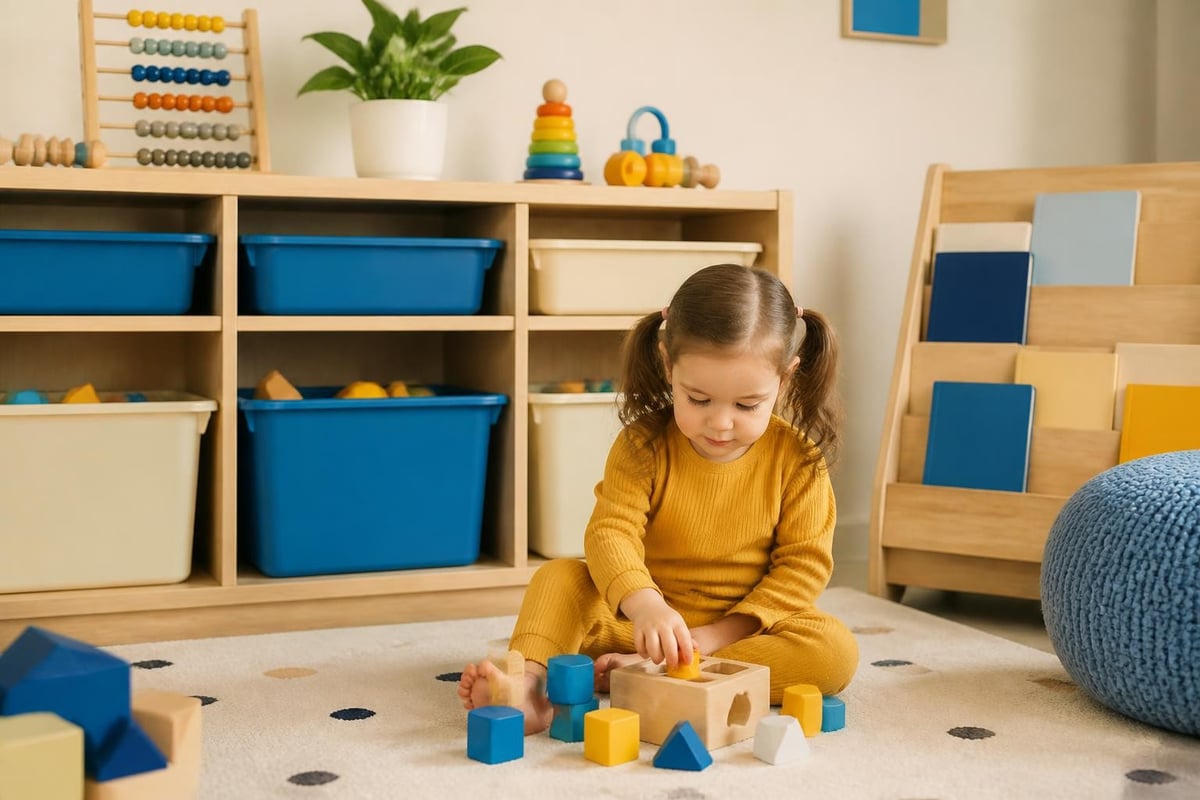
- Clear bins: Children see contents without emptying everything
- Picture labels: Visual guides show where items belong
- Low shelves: Everything within reach promotes independence
- Category grouping: Similar toys stored together
- Rotation system: Some toys stored away, others accessible
These organizational strategies make cleanup manageable for young children.
Teaching Cleanup Habits
Organization skills develop through consistent practice:
- Make cleanup part of the play routine
- Use timers to make tidying a game
- Play music during cleanup time
- Sort together, discussing categories
- Praise effort rather than perfection
These habits support success both at home and in school settings.
Common Mistakes When Buying Kindergarten Toys
Avoiding these pitfalls helps you make better purchasing decisions.
Too Many Electronic Features
While some electronic toys offer value, overreliance on batteries and screens limits development:
- Children become passive consumers rather than active creators
- Limited opportunities for open-ended play
- Reduced imagination and problem-solving practice
- Dependence on batteries and technology
Balance electronic toys with plenty of hands-on alternatives.
Focusing Only on Academic Skills
While learning is important, play serves many purposes:
- Physical development needs active play
- Emotional growth requires pretend scenarios
- Social skills develop through cooperative activities
- Creativity flourishes with open-ended materials
The most valuable toys for kindergarteners support the whole child, not just academic achievement.
Reading Reviews and Making Informed Choices
Smart shopping involves research beyond attractive packaging.
What to Look for in Toy Reviews
Helpful reviews address:
- Durability and quality over time
- How children actually use the toy
- Age-appropriateness and skill matching
- Educational value and engagement level
- Safety concerns or small parts
Expert roundups of kindergarten toys provide curated options based on developmental research.
Parents' real experiences often reveal more than marketing claims.
Understanding Marketing Versus Value
Toys marketed heavily aren't always the best choices:
- Popular characters may overshadow educational value
- Trendy items often have short appeal windows
- Simple classics frequently provide more play value
- Price doesn't always correlate with quality
Critical evaluation helps you see past marketing to actual benefits.
Seasonal Considerations for Toy Selection
Different times of year call for different toy types.
Indoor Versus Outdoor Seasonal Needs
Plan purchases around weather patterns:
Winter and Rainy Days
- Puzzles and board games for indoor entertainment
- Art and craft supplies for creative projects
- Building sets for extended construction play
- Science kits for indoor exploration
Summer and Fair Weather
- Outdoor sports equipment for active play
- Water toys for cooling off
- Nature exploration tools for discovery
- Sidewalk chalk and outdoor art materials
This seasonal approach ensures children always have appropriate play options.
Holiday and Birthday Gift Planning
Special occasions offer opportunities to expand your child's toy collection strategically:
- Coordinate with family members to avoid duplicates
- Suggest specific items that fill gaps in current toys
- Consider experiences alongside physical toys
- Focus on quality over quantity
Thoughtful gift planning creates lasting value rather than temporary excitement.
Supporting Special Interests and Talents
Kindergarten is when many children begin showing specific preferences and abilities.
Nurturing Emerging Passions
When your child shows strong interest in particular areas:
- Provide deeper resources in that subject
- Find toys that extend their exploration
- Connect their interest to related topics
- Support without pressuring toward expertise
Whether your kindergartener loves dinosaurs, space, art, or music, targeted toys can fuel their enthusiasm.
Balancing Specialization and Breadth
While supporting interests, maintain variety:
- Ensure exposure to multiple developmental areas
- Introduce new topics and activities regularly
- Allow interests to evolve naturally
- Avoid over-scheduling or pressure
Breadth of experience serves children better than early specialization.
The Role of Parent Involvement in Play
Your participation amplifies toy value significantly.
When to Play Together
Joint play offers unique benefits:
- Learning new toys: Initial exploration together
- Teaching skills: Demonstrating techniques or rules
- Bonding time: Strengthening relationships through shared fun
- Observing development: Noticing skills and struggles
Your involvement shows that play matters and that you value your child's interests.
When to Step Back
Independent play also serves important purposes:
- Builds self-reliance and confidence
- Develops problem-solving without adult rescue
- Allows creative experimentation without judgment
- Teaches self-entertainment skills
Balance participation with space for solo exploration.
Selecting the right toys for kindergarteners supports every aspect of your child's development while making play more meaningful and engaging. By focusing on educational value, safety, and your child's individual interests, you create opportunities for growth that extend far beyond simple entertainment. KIDZEEHUB offers carefully curated Montessori-inspired, STEM-focused, and educational toys designed specifically to support kindergarten learning and development. Browse our collection today to discover screen-free options that make playtime both fun and purposeful for your growing child.


