


The world of children's toys has evolved far beyond simple blocks and dolls. Today's intelligent toys represent a fascinating blend of technology and traditional play, designed to grow alongside your child's developing mind. These innovative playthings respond to your child's actions, adapt to their learning pace, and offer interactive experiences that make learning feel like pure fun. For parents seeking meaningful play experiences, understanding what makes a toy truly "intelligent" can help you choose options that support your child's growth without overwhelming them with unnecessary technology.
What Makes a Toy "Intelligent"?
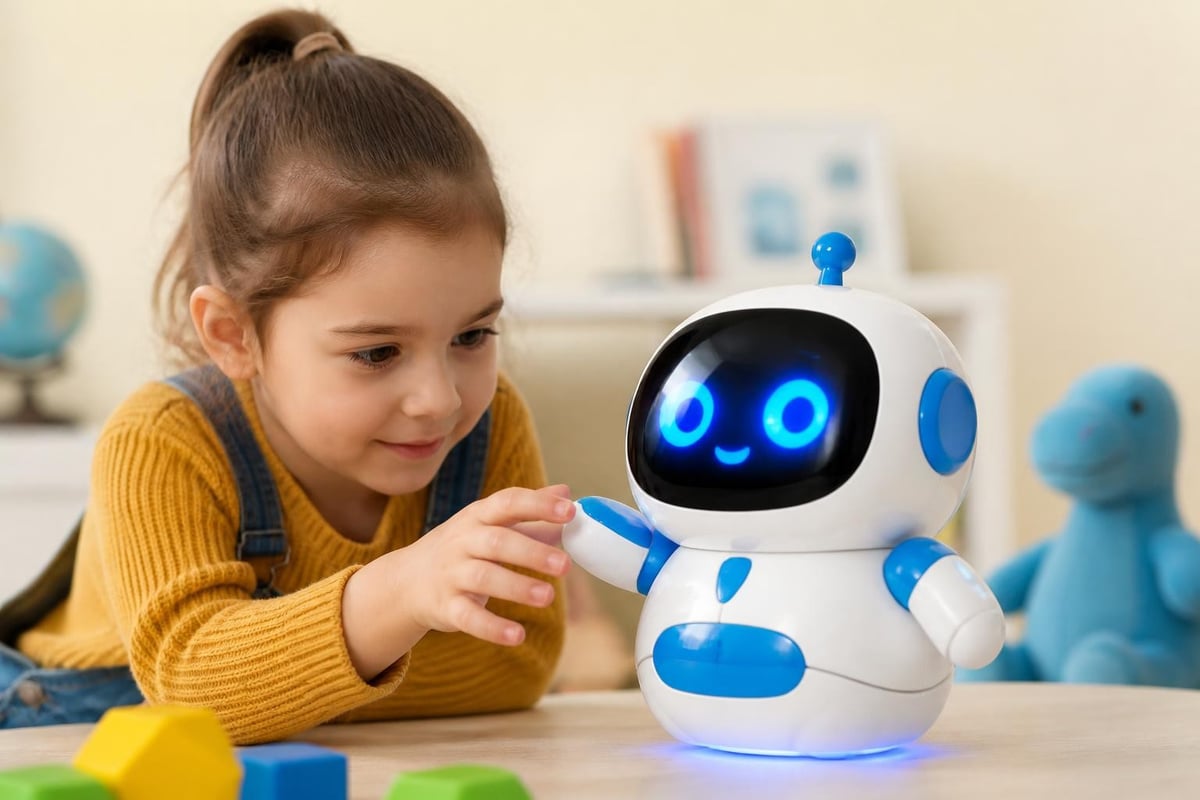
Intelligent toys are more than just battery-operated gadgets. They feature responsive technology that interacts with your child in meaningful ways, creating a two-way conversation between the toy and the player.
At their core, these toys use sensors, programming, or adaptive features to respond to your child's input. When your toddler presses a button, the toy might offer encouragement. When they complete a task correctly, it celebrates their success. This immediate feedback loop helps children understand cause and effect while keeping them engaged.
Key characteristics of intelligent toys include:
- Interactive responses that change based on how children play
- Adaptive difficulty levels that grow with your child's skills
- Educational content woven into play experiences
- Feedback mechanisms that encourage learning
- Multi-sensory engagement through sound, light, or movement
Research has shown that intelligent toys can be used for physical and cognitive assessments, highlighting their potential to support child development in measurable ways.
The Technology Behind Smart Play
The technology in intelligent toys varies widely. Some use simple programming with predetermined responses. Others incorporate more sophisticated features like voice recognition or artificial intelligence.
Most intelligent toys designed for younger children rely on straightforward technology. Touch sensors detect when little hands press buttons. Motion sensors respond to movement. Sound recognition allows toys to react to voices or claps.
More advanced options might include Bluetooth connectivity for app integration or AI features that personalize the experience. However, the best intelligent toys for young children prioritize simplicity over complexity.
Educational Benefits of Intelligent Toys
Intelligent toys offer unique learning opportunities that traditional toys cannot replicate. Their responsive nature creates an engaging environment where children actively participate in their own learning journey.
Cognitive Development and Problem-Solving
When children interact with intelligent toys, they engage in active problem-solving. They test hypotheses, observe results, and adjust their approach based on feedback.
This trial-and-error process strengthens critical thinking skills. Your child learns that different actions produce different results, building their understanding of logical sequences and cause-and-effect relationships.
Cognitive skills developed through intelligent toy play:
- Pattern recognition and prediction
- Memory enhancement through repetition and rewards
- Attention span improvement via engaging feedback
- Logical thinking through sequential tasks
- Decision-making skills when choosing responses
Language and Communication Skills
Many intelligent toys focus on language development, offering vocabulary building, pronunciation practice, and conversational skills. These toys provide patient, consistent language exposure that complements parental interaction.
Interactive toys that talk back to children create low-pressure opportunities to practice speaking. There's no judgment when they mispronounce a word, only encouraging repetition and gentle correction.
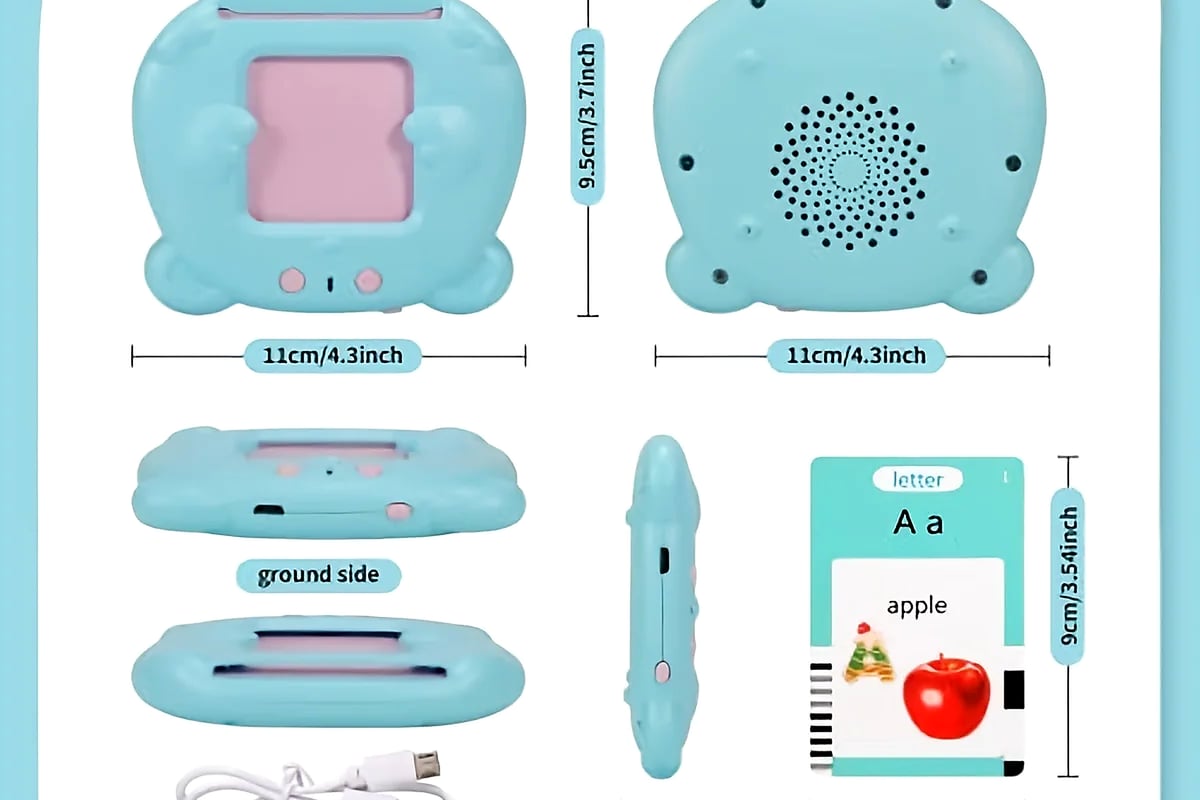
For families looking to support early language development, talking flash cards provide a perfect example of how technology can enhance traditional learning tools with audio feedback that reinforces vocabulary and pronunciation skills.
Choosing Safe and Age-Appropriate Intelligent Toys
Not all intelligent toys are created equal. Safety, privacy, and developmental appropriateness should guide your selection process.
Safety Considerations for Smart Toys
The integration of technology into toys raises important safety questions. Parents need to evaluate both physical safety and digital security when choosing intelligent toys.
Physical safety checklist:
- Age-appropriate small parts and choking hazards
- Durable construction that withstands rough play
- Non-toxic materials certified for children's products
- Secure battery compartments requiring tools to open
- Volume controls to protect young ears
Recent reports have highlighted concerns about AI toys and potential safety issues, reminding parents to research products thoroughly before purchasing.
Privacy and Data Security
Intelligent toys that connect to the internet or use apps raise privacy concerns. Some toys record conversations, track play patterns, or collect personal information.
Before purchasing connected toys, research the manufacturer's privacy policies. Look for toys that function fully without internet connectivity or app requirements. When apps are necessary, review what data they collect and how it's used.
| Privacy Factor | What to Look For | Red Flags |
|---|---|---|
| Data Collection | Clear privacy policy, minimal data gathering | Vague policies, excessive permissions |
| Internet Connectivity | Optional connectivity, offline functionality | Requires constant connection |
| Microphone Use | Clear indicators when recording, parental controls | Always-on recording, unclear usage |
| Third-Party Sharing | No sharing without explicit consent | Data sold to advertisers |
Studies on threats to smart toys reveal security vulnerabilities that parents should understand when evaluating connected toys.

Balancing Technology and Traditional Play
Intelligent toys work best when integrated thoughtfully into a diverse play environment that includes traditional, hands-on experiences.
Creating a Balanced Toy Collection
Your child's toy collection should offer variety. Intelligent toys can complement building blocks, art supplies, and Montessori-inspired toys rather than replacing them entirely.
Consider the 80/20 approach: 80% of toys should encourage open-ended, creative play, while 20% can include intelligent or electronic options. This balance ensures children develop imagination alongside technological literacy.
Elements of a well-rounded toy collection:
- Open-ended building materials (blocks, construction sets)
- Creative expression tools (art supplies, musical instruments)
- Physical activity toys (balls, balance equipment)
- Sensory exploration items (textured materials, sand play)
- Intelligent toys for targeted skill development
Screen-Free Intelligent Play Options
Not all intelligent toys require screens. Many incorporate technology in ways that keep children physically engaged and hands-on.
Smart building sets respond to how pieces connect. Programmable robots follow commands created with physical coding blocks. Interactive board books use touch-sensitive pages to play sounds.
These screen-free play options combine the benefits of responsive technology with tactile, three-dimensional play that supports fine motor development.
Age-Specific Recommendations for Intelligent Toys
Different developmental stages call for different types of intelligent toys. Matching toy complexity to your child's abilities ensures engagement without frustration.
Infants and Toddlers (0-3 Years)
For the youngest learners, intelligent toys should focus on sensory exploration and basic cause-and-effect understanding.
Simple toys with large buttons that produce sounds or lights teach babies that their actions create results. Musical toys that respond to touch help toddlers explore different sounds and rhythms.
Best features for this age group:
- Large, easy-to-grasp buttons and controls
- High-contrast colors and clear sounds
- Durable construction for mouthing and throwing
- Simple, predictable responses
- Sensory variety (textures, lights, music)
Preschoolers (3-5 Years)
Preschool children benefit from intelligent toys that support emerging literacy, numeracy, and creative thinking skills.
Interactive learning systems that introduce letters, numbers, and shapes work well for this age. Toys that encourage pretend play with technological elements, like toy phones or pretend kitchen appliances with lights and sounds, blend imagination with modern experiences.
Research on multimodal sensory interactions in toys demonstrates how engaging multiple senses simultaneously can enhance learning experiences for young children.
Early Elementary (5-8 Years)
Older children can handle more complex intelligent toys that introduce basic coding concepts, advanced problem-solving, and creative expression.
Programmable robots, electronic circuit building kits, and interactive science experiments let children explore STEM concepts hands-on. These toys often grow with children, offering multiple difficulty levels or expansion possibilities.
| Age Range | Ideal Features | Skills Developed | Example Activities |
|---|---|---|---|
| 0-3 years | Cause-effect, sensory | Motor skills, exploration | Button pressing, sound making |
| 3-5 years | Basic learning, pretend play | Literacy, numeracy, imagination | Letter games, role-play |
| 5-8 years | STEM concepts, coding | Logical thinking, creativity | Robot programming, circuits |
The Role of Parents in Intelligent Toy Play
Your involvement transforms intelligent toys from electronic babysitters into powerful learning tools. Active participation multiplies the educational benefits.
Co-Playing for Maximum Learning
Playing alongside your child with intelligent toys creates opportunities for conversation, explanation, and connection. You can expand on what the toy teaches, ask questions, and relate new concepts to real-world experiences.
When a toy teaches about animals, you might discuss a recent zoo visit. If it introduces numbers, you can count objects around the room together. This contextualization helps children transfer toy-based learning to practical knowledge.
Ways to enhance intelligent toy play:
- Ask open-ended questions about what they're discovering
- Connect toy activities to books, nature, or daily life
- Take turns playing to model problem-solving strategies
- Celebrate effort and progress, not just correct answers
- Follow your child's interests and curiosity
Setting Healthy Boundaries
Even the best intelligent toys need time limits. Establishing clear expectations about when and how long children play with electronic toys maintains balance.
Create designated times for intelligent toy play, alternating with outdoor time, creative projects, and unstructured play. This routine helps children appreciate different types of activities without becoming dependent on electronic stimulation.
Montessori Principles and Intelligent Toys
While traditional Montessori philosophy emphasizes natural materials and child-directed exploration, some intelligent toys align with Montessori principles when chosen thoughtfully.
Finding Montessori-Aligned Smart Toys
Look for intelligent toys that put children in control of their learning pace. Toys that allow self-correction, offer multiple ways to complete tasks, and encourage independence align with Montessori values.
Avoid toys with excessive stimulation, flashing lights, or jarring sounds. The best options provide gentle feedback and allow children to focus on the learning process rather than being distracted by entertainment features.
At KIDZEEHUB, we carefully select toys that balance modern innovation with timeless learning principles, ensuring each product supports meaningful development.
Self-Directed Learning Through Technology
Intelligent toys that adapt to individual children's learning speeds support the Montessori principle of following the child. When a toy adjusts difficulty based on performance, it meets each child exactly where they are developmentally.
This personalization reduces frustration for struggling learners while preventing boredom for those who grasp concepts quickly. Children remain in that ideal learning zone where challenges feel achievable with effort.
Common Concerns About Intelligent Toys
Parents often express worries about incorporating technology into their children's play. Addressing these concerns helps make informed decisions.
Will Intelligent Toys Replace Human Interaction?
No toy, no matter how sophisticated, can replace the nurturing relationships children need with parents and caregivers. Intelligent toys should supplement, not substitute, human connection.
The key is maintaining perspective. Use intelligent toys as one tool among many in your parenting toolkit. They can provide educational enrichment during appropriate times while you prioritize face-to-face interaction, conversation, and shared experiences.
Understanding how children interact with AI toys can help parents facilitate healthy relationships with technology-enhanced play.
Do Smart Toys Stifle Creativity?
Poorly designed intelligent toys with rigid, predetermined responses can limit creative thinking. However, well-designed options encourage creativity by offering open-ended possibilities within structured frameworks.
Intelligent building sets let children create infinite designs while providing feedback on structural integrity. Interactive art toys suggest techniques while allowing personal expression. The best smart toys inspire rather than restrict imagination.
Are They Worth the Investment?
Intelligent toys typically cost more than traditional options. Whether they're worth it depends on your family's values and your child's interests.
Consider longevity. Does the toy grow with your child through multiple difficulty levels? Will it engage them for months or years? Does it genuinely teach skills your child needs?
For some families, a few high-quality intelligent toys that align with learning goals justify the expense. For others, investing primarily in open-ended traditional toys with occasional smart toy additions makes more sense.
Frequently Asked Questions
What age should children start using intelligent toys?
Even infants can benefit from simple intelligent toys that respond to touch with lights or sounds. However, the complexity should match developmental stage. Start with basic cause-and-effect toys for babies, gradually introducing more sophisticated options as children grow. Always check manufacturer age recommendations and supervise young children during play.
How much screen time do intelligent toys count as?
This depends on the toy. If the toy has a screen that children actively watch, it counts as screen time. However, many intelligent toys use technology without screens, responding through sounds, lights, or movement. These screen-free smart toys don't contribute to daily screen time limits and offer a healthier alternative to tablets or television.
Can intelligent toys help children with learning differences?
Yes, many intelligent toys benefit children with learning differences. The immediate feedback, visual and auditory cues, and ability to practice skills repeatedly at their own pace can be particularly helpful. Some intelligent toys are specifically designed for children with special needs, offering customizable settings and multisensory engagement that supports different learning styles.
How do I know if an intelligent toy is collecting my child's data?
Review the toy's privacy policy before purchasing. Toys that connect to apps or the internet may collect usage data, voice recordings, or personal information. Look for toys that function fully offline or have transparent privacy practices. Avoid toys requiring account creation with personal details unless you're comfortable with the manufacturer's data handling policies.
Should intelligent toys replace traditional educational toys?
No, intelligent toys should complement rather than replace traditional options. Children need diverse play experiences including hands-on manipulation of physical objects, creative open-ended play, and outdoor exploration. Intelligent toys can enhance learning in specific areas while traditional toys develop different essential skills. Aim for balance in your child's toy collection.
Intelligent toys represent an exciting evolution in how children learn through play, offering responsive experiences that engage young minds in powerful ways. When chosen carefully with safety, privacy, and developmental appropriateness in mind, these smart playthings can support your child's growth alongside traditional toys and hands-on exploration. Ready to discover educational toys that blend the best of technology with timeless learning principles? Visit KIDZEEHUB to explore our carefully curated collection of Montessori-inspired, STEM-focused, and interactive toys designed to make every moment of play meaningful for your child's development.


